

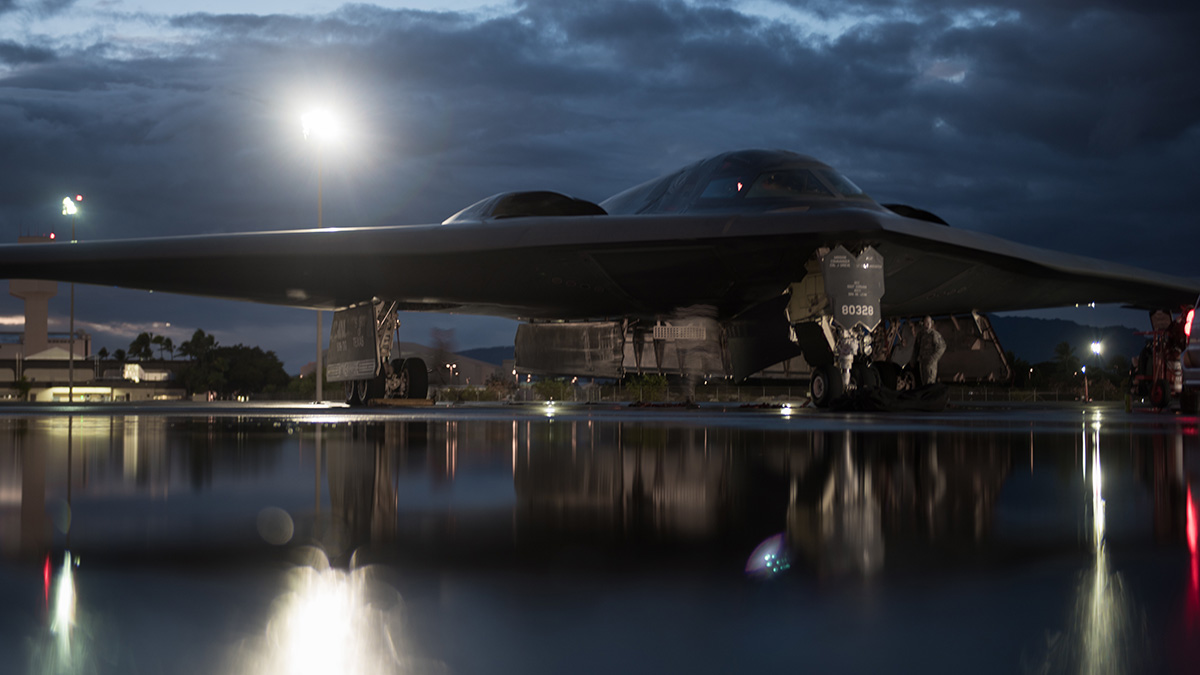
A Chinese national has been jailed for six months after returning to Whiteman Air Force Base and photographing the sensitive B-2 bomber installation despite an earlier warning, according to the US Air Force.
A Chinese national has been sentenced to six months in federal custody after repeatedly photographing Whiteman Air Force Base, home of the US Air Force’s B-2 Spirit stealth bomber fleet, the UK Defence Journal understands.
According to a US Air Force news update, Qilin Wu returned to the Missouri installation after previously being warned not to photograph the base. Investigators said his conduct included taking images not only of aircraft but also of the installation’s perimeter and infrastructure, eventually leading to an investigation by the Air Force Office of Special Investigations, a guilty plea and sentencing.
The case was brought using Section 795 of Title 18 of the US Code together with Executive Order 10104, a 76-year-old measure signed by President Harry Truman. The legislation prohibits unauthorised photographs, sketches, maps and other visual representations of designated military installations, aircraft, weapons and equipment where protection from general dissemination is required. US Air Force officials presented the prosecution as an example of an older legal framework being applied to contemporary security concerns around sensitive military sites.
Colonel David Bethel, commander of AFOSI Region 8, said, as quoted in the news update: “For our Special Agents, this isn’t about a single case. It’s about recognizing that the operating environment has changed.” Bethel said investigators increasingly had to consider activity around military installations in the United States that might not initially present as an obvious security threat. He added: “When someone gathers information around a sensitive military installation, AFOSI has the tools to hold them accountable.”
The incident began on 2 December 2025, when personnel from the 509th Security Forces Squadron responded to a report concerning a suspicious minivan close to the perimeter of Whiteman Air Force Base. Wu, who was driving a vehicle with Massachusetts licence plates, told personnel that he had travelled there to observe the B-2. Investigators said the subsequent concern arose from his return after being warned and the range of subjects photographed around the base.
A senior AFOSI official involved in the investigation said, as quoted in the same news update: “What made this different was the pattern of behavior.” The Air Force said Wu later admitted photographing aircraft and installations at other US military bases, including locations in Florida and Virginia. The published account does not state that he was convicted of espionage, instead describing the offence in terms of unauthorised photography of protected military property.
Following sentencing, Wu was remanded to the US Marshals Service. The U.S. Air Force said he was subsequently processed on an Immigration and Customs Enforcement detainer and is expected to be deported to China.
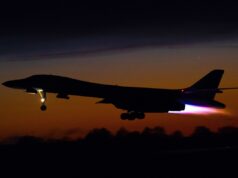
Whiteman Air Force Base is the principal operating base for the B-2 Spirit, one of the United States’ most sensitive strategic bomber platforms.
The installation is home to the 509th Bomb Wing and forms part of the country’s nuclear and conventional long-range strike capability, making activity around its perimeter a particular counter-intelligence and force-protection concern.
AFOSI said it would continue to investigate suspected unauthorised photography around protected installations and equipment, with individual cases assessed according to their circumstances. Bethel said the Whiteman investigation demonstrated the role of installation security personnel and federal investigators in identifying potentially concerning activity before it develops further, adding: “Det. 811’s work delivered strategic deterrence. This case reflects AFOSI’s professionalism, integration and operational discipline required to defend our installations in an increasingly complex threat environment.”





If this was Chinese intelligence it was a pretty daft operation, if it wasn’t it was even more daft.
youtube i dont break james bond obituary slash resignition. qoute higher ups licking up indian child groomer ju period loving sickenin lil fruit army better be gone soon john
1st john scotch irish not cry ba tinker fruit 2nd there old miss commie invasion afghan then likes cairn old soviet block so that child perverts them served under 2 forein occupation iraq boy lovers bombs ied.s etc your found guilty of treason your services no longer required ur implicated in conspiring kill me morrison hell eye so off my lands take good look at your immediate family before befre openng ur cry ba ju mouth reg faggot now will that said do not bred indian u will be going agint for ppl are trying kill me. i can not let it goi will see matters up ur kin for many years after there gone i pologie but they are faggot pathetic dogs fags u are dead to me so fuck off aye by wldorf zo sp commie cunt thinkthat sarge 7 specky orthadox jew cunt fuck off die aides jade jew j e w screw cunt lol srry but i hate themjihadi jew child fucklng dickless fruits john bet it ill think ull find your a clown pikey ju fags rusty hasbeen on my side orginization no 1 cares u pakie wankers want. good bye fucking ausedgooks dogs u are fat dck head your fuking abused bred dogs didnt evey pay me that mouth 2 beautifull women u have to dickless jew or or an innferrier hell i fuck u bill see u aroun run cunt
what have ye for me morris young mo nodubt by now got really deep only effort get to a diffrent bill i know you expect kill there own relatios just burgger boys typicall mr gallow wy da ur a proper fucking tonga arnt ye sad ol wanker any who delete my number away bum other sore holes thats litterly all u pikies have in ye fucking faggots fuck off
ill explain 5 fruit look shop tobecco ging like u 5 girl then chubby specky cunt 7 shop morrison 6 dickie cia john irish met cheif curess dick etc think 7 jihadi then ur better them turn gyse gook dgs his line same as eye shadow pakies whores jihad whores on west wall bar u charles boy fucker ur sad clowns loyal lanky cunt has ur perfact famillies alass u sad pathic cunt there terrrist ur family fags 2nd if u dont deal it i will eventully 3 i hate that stalking shit if im passive i may like u i have zero tolerence for it now this attitude with me i want you ppl gone no negotiations simply leave do not mouth me fat lad join the boy fucker india u try that me i will be rid of uthanks all my gold bl ty maize deep sea diver gold i made herety rothchild running mybank my absence u hell we are nothing alike now fuck off fat headed dicklessspecky cunt i have no more use for u fat gooks dog u do well run u ginger boy fucking cop wanker o jade id rather go black girl long before a gooks dog bred suck loser parent orthadox ju prick u emerald gypse cunt FUCK OFF po l a n d