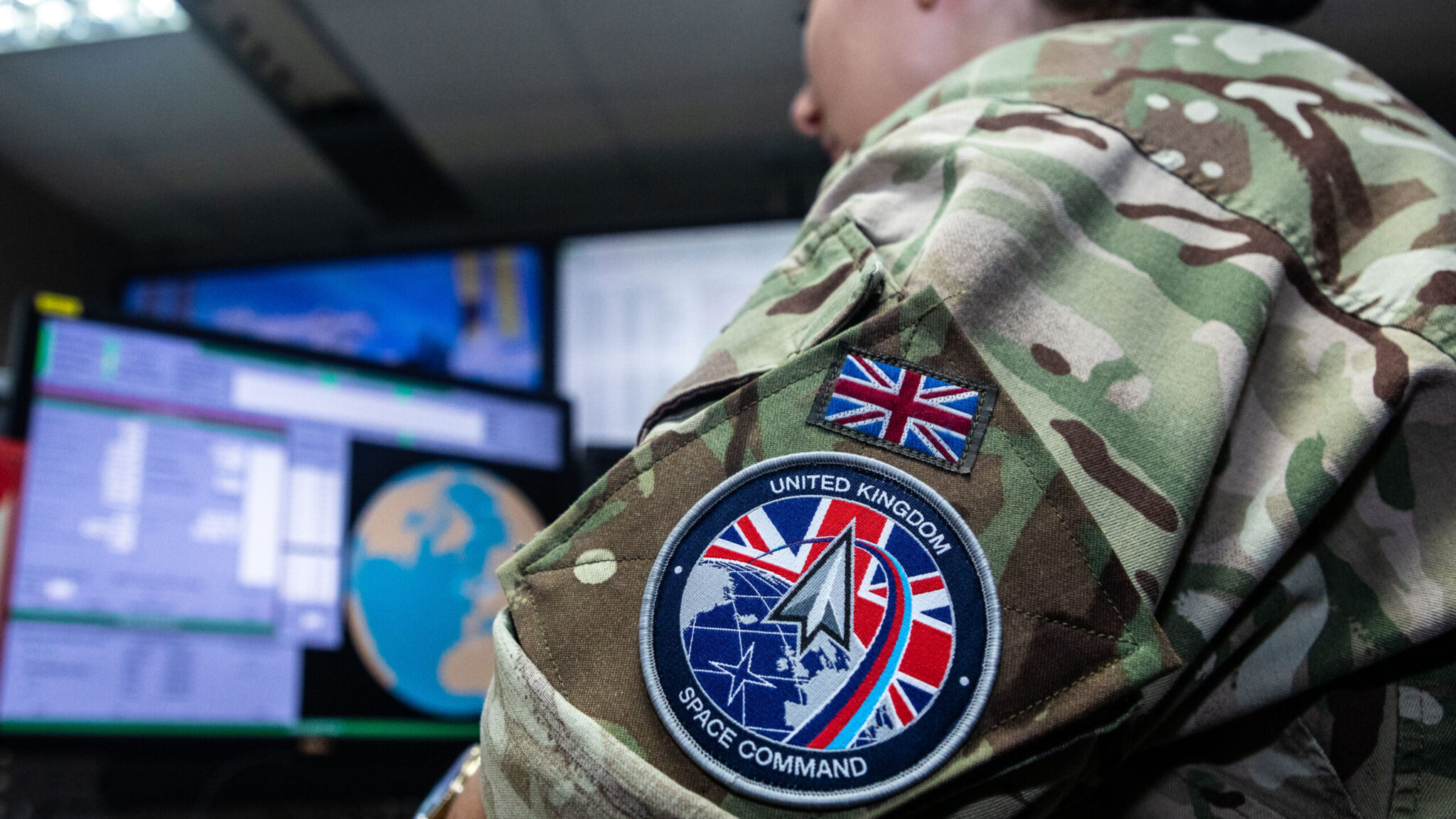
Britain is working with NATO allies and other partners on future sensing capabilities for missile defence, including space-based systems intended to help detect, assess and track threats across the Euro-Atlantic.
The work was outlined in a written parliamentary answer to Conservative MP Ben Obese-Jecty, who asked what progress had been made in finding partners for the next-generation persistent surveillance capability proposed in the 2025 Strategic Defence Review. The SDR called for an overhead intelligence, surveillance and reconnaissance capability able to sense, warn of and track threats across the Euro-Atlantic in support of Integrated Air and Missile Defence.
Defence Readiness and Industry Minister Luke Pollard said: “Defence is also improving the sensing capabilities that underpin Integrated Air and Missile Defence through a layered NATO-integrated approach, drawing on ground-based, airborne, maritime and space-based sensors to improve the ability to detect, assess and respond to threats across the Euro-Atlantic.”
Pollard said the money would initially be directed towards foundational elements of the system, including command and control, new radars and other sensing infrastructure.
He said: “For Integrated Air and Missile Defence (IAMD), the Defence Investment Plan invests a further £790 million in dedicated homeland IAMD, focused on improving foundational capabilities through enhanced Command and Control and sensing systems, including new radars and control systems.”
The Government is also investing in long-range weapons and Deep Precision Strike, including Precision Strike Missiles, as part of the wider effort to improve the ability of the Integrated Force to detect and respond to threats. The future sensing architecture is intended to work as part of NATO rather than as an isolated national system, bringing information from different domains into a common air and missile defence picture.
Pollard said Defence was “working closely with NATO as part of a layered and integrated approach to the defence of the UK and the Euro-Atlantic.”
On international participation, he said the National Armaments Director was already working with allies and partner nations to identify opportunities for joint development and procurement.