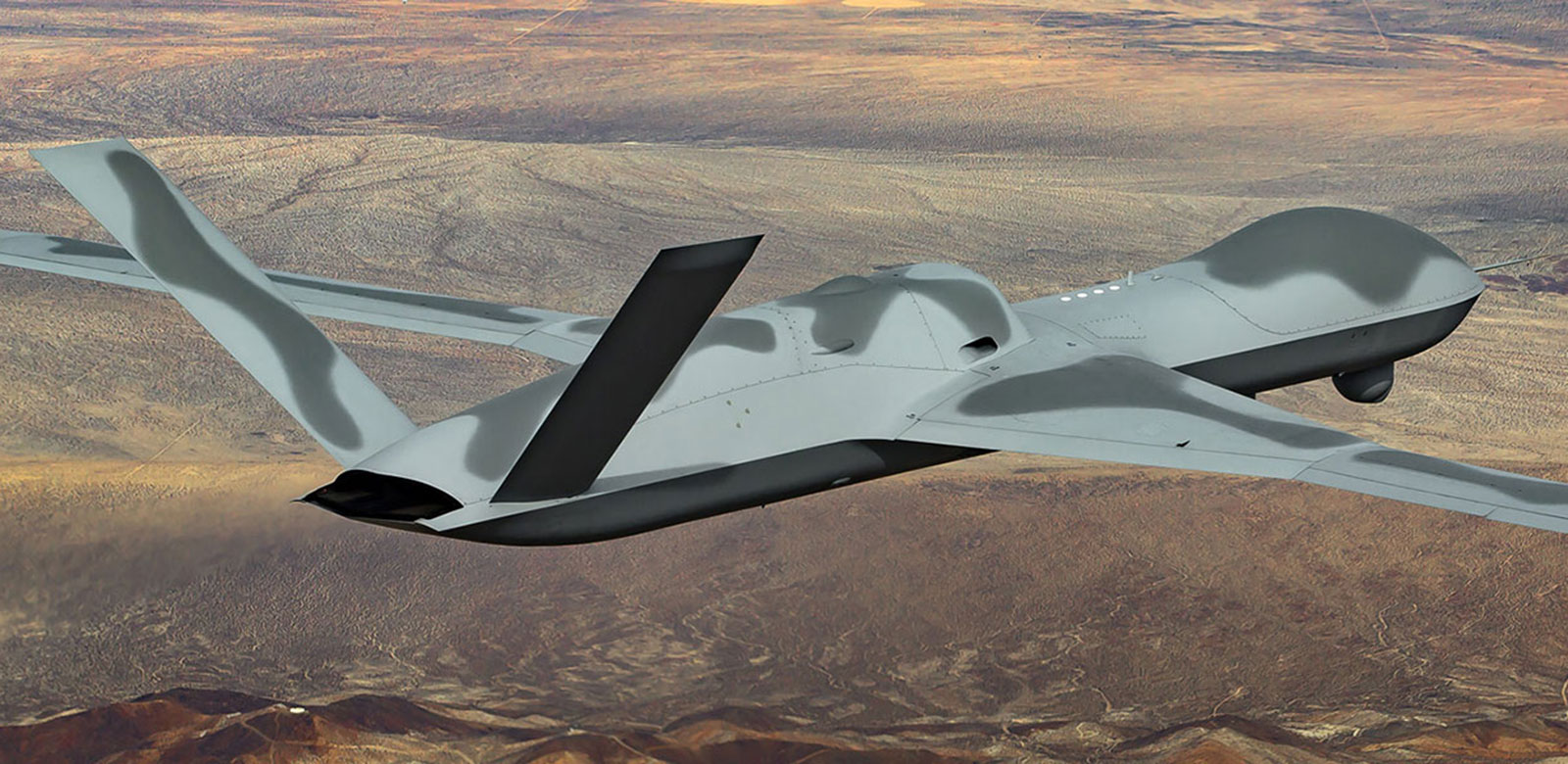
An uncrewed combat aircraft has been flown in an American trial in which the autonomy software was given the commander’s intent rather than a fixed route, and allowed to rework the plan as the scenario changed, according to General Atomics Aeronautical Systems.
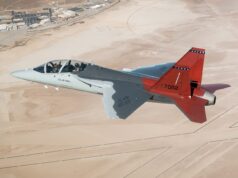
The demonstration took place on 10 September with the company’s MQ-20 Avenger test aircraft, flown as an autonomous collaborative platform, and was run with the United States Navy’s Strike Planning and Execution Systems programme office during an exercise called Gray Flag 2026.
What was tested was less the aircraft than the plumbing between the planning system and the machine. The team extended the Navy’s existing planning tools with mission context compliant with the Autonomy Government Reference Architecture, a standard intended to let autonomy software from different suppliers understand the same description of a mission. That let the Navy’s baseline mission planner pass objectives, constraints and threat information to the autonomy layer, which could then reason over the plan and adapt it in real time.
Michael Roberts, advanced programs emerging technology director at the company, said: “By taking the Navy’s practices, adding A-GRA-compliant mission context, and connecting it to TacACE, we showed that autonomy can understand commander’s intent, coordinate a heterogeneous team of uncrewed aircraft, and adapt the plan using its judgment in real time alongside human pilots.”
TacACE is the company’s Tactical Autonomy Ecosystem, the software and platform environment used for mission planning, command and control, autonomy configuration, simulation and post-mission analysis. The demonstration mixed live aircraft with virtual and constructive participants, a standard way of running these events without putting a full package of real aeroplanes into the air, and covered the length of the kill chain using passive sensors.