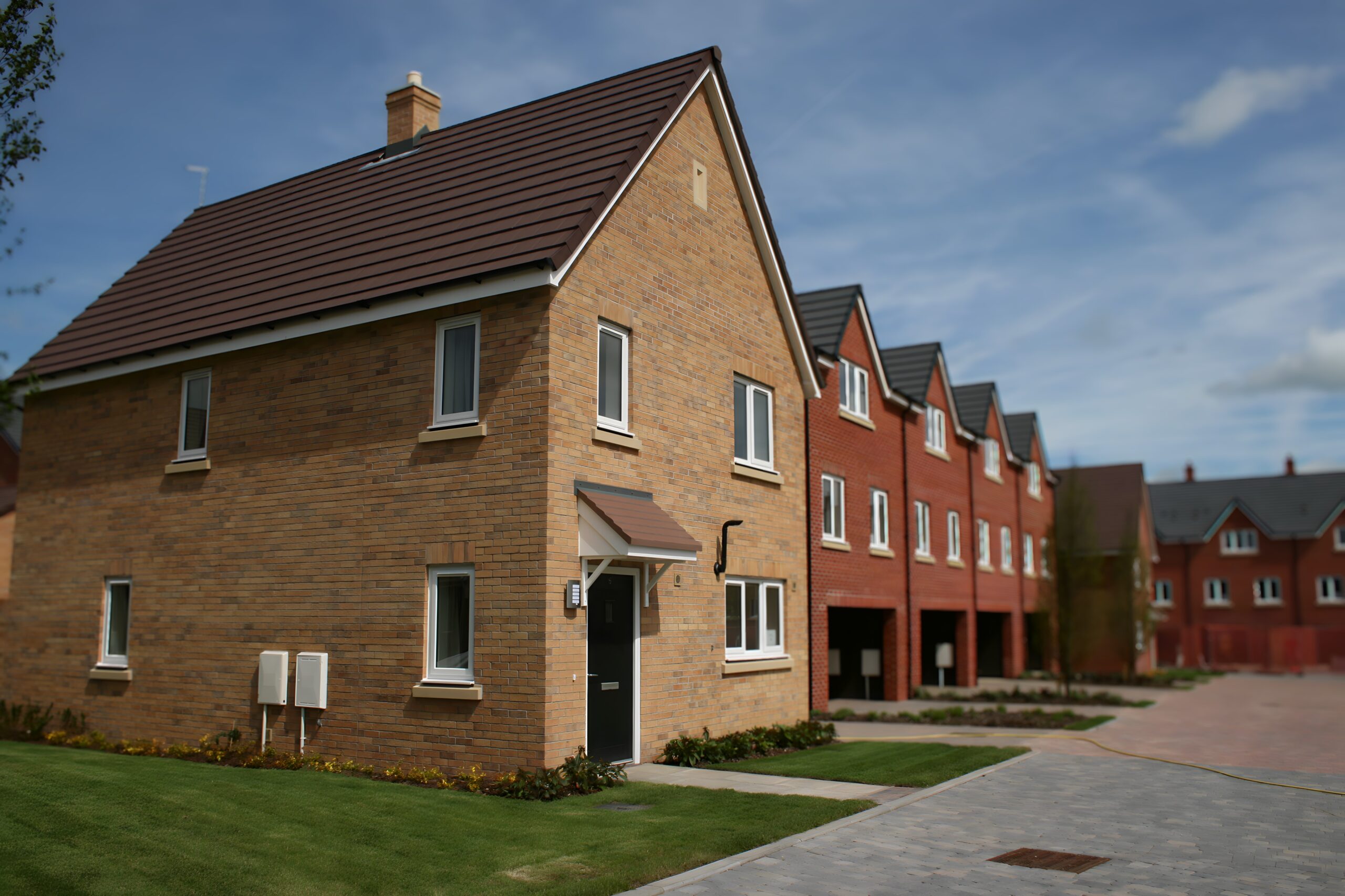
Six refurbished homes at Pirbright are being used to test technologies intended to make service family accommodation warmer and cheaper to run, in a trial the Ministry of Defence describes as the first of its kind for military housing, according to the department.
Each of the six carries a different combination of equipment, including solar panels, battery storage, electric heated skirting boards, hot water systems and zero-emission boilers, so the department can work out which combinations deliver the most benefit. All six have also been given modern kitchens, bathrooms, fencing and doors.
Feedback from the families living in them will shape investment decisions across the estate. The trial follows a research and development day held earlier this year at which businesses showed technology that might be used in military housing.
Sebastian O’Hara, operations director for accommodation at the Defence Infrastructure Organisation, said: “Service families deserve homes that are warm, safe and fit for modern living.
“This pilot is the first of its kind for military housing giving us the opportunity to test new technologies in real homes and understand directly from families what makes the biggest difference to their day-to-day lives. The feedback we get from our families will be used to inform investment decisions, shape the future of military housing and ensure we focus on solutions delivering better outcomes for families.
“This is about learning what works, listening to our customers and building a better housing service for the future. Through the new Defence Housing Service, we’re driving change across military housing, delivering better homes, raising service standards and putting the needs of Service personnel and their families at the heart of everything we do.”
The work forms part of the Defence Housing Strategy, backed by £9.2 billion and intended to see 40,000 military homes modernised, refurbished or rebuilt over the next decade, delivered through the new Defence Housing Service.
Separately, 3D scanning is being used to create digital versions of military homes, with around 2,000 properties due to be scanned and digitised over a two-year trial. The intention is to plan repairs and upgrades more efficiently, keep better records across a property’s lifetime and carry out some inspections remotely.
A pilot will give families a greater role in signing off repairs and maintenance before jobs are closed, and a code of conduct will set expectations for how staff and contractors treat families.