

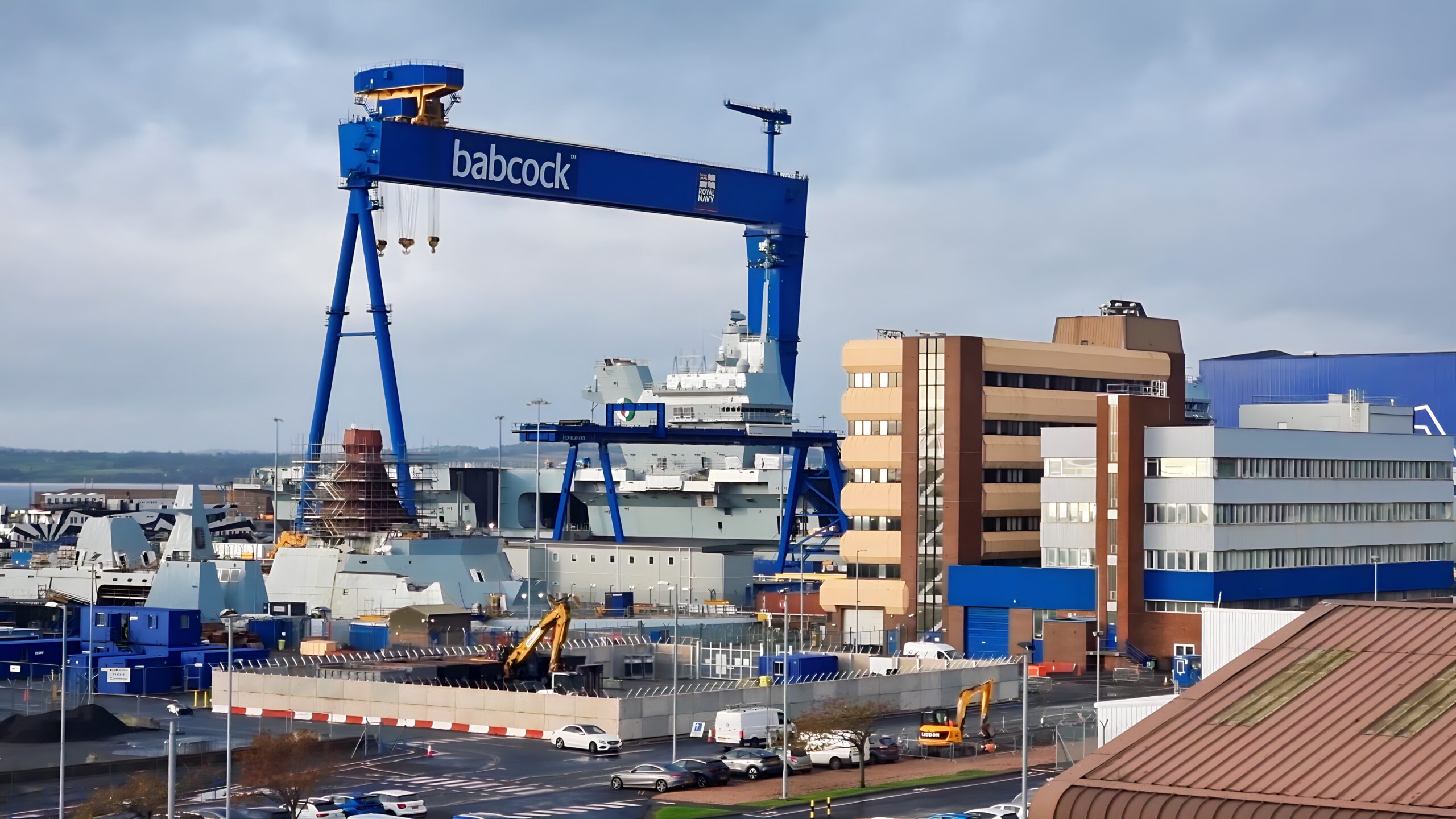
Babcock International has reported a solid first half to FY26, with higher revenue, stronger margins and a larger order backlog as defence and nuclear work continues to drive growth in the UK and overseas.
The company’s statutory operating profit rose to £234.3 million, up from £183.8 million a year earlier, while revenue increased to £2.54 billion. Underlying operating profit reached £201.1 million, reflecting improvements across all major divisions, and the underlying margin climbed to 7.9 percent. Net debt excluding leases fell to £55.8 million, supported by £140.6 million of underlying free cash flow.
Chief executive David Lockwood said the performance reflected steady delivery across the portfolio. “Thanks to the skills and dedication of our people, Babcock continued its track record of profitable growth with a strong performance in the first half. Good momentum was underpinned by consistent delivery for our customers against a background of supportive market dynamics. We are on track to achieve our expectations for the full year and are pursuing exciting opportunities for sustainable growth and margin expansion, both in the UK and internationally.”
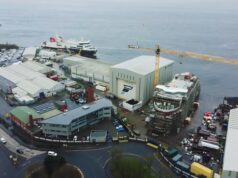
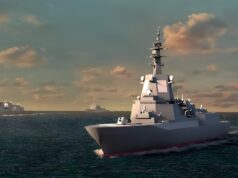
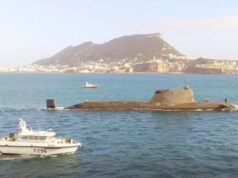
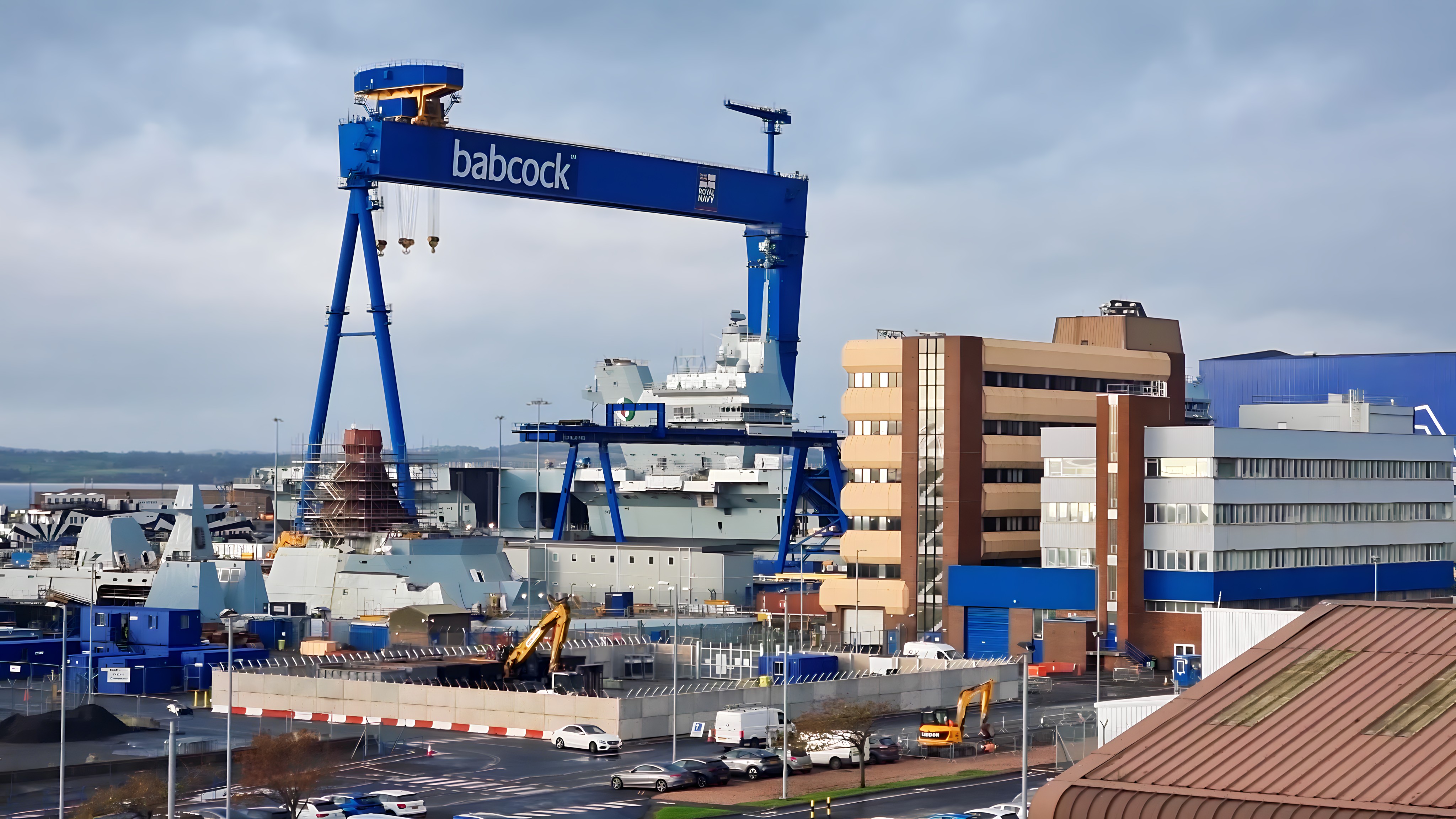
The company’s contract backlog now stands at £9.9 billion. Major milestones included the float-off of the first Type 31 frigate, the start of assembly on the third ship, and the reopening of Devonport’s 15 Dock, restoring twin-stream submarine maintenance capacity for the first time in years. Babcock also mobilised several major support contracts, including the five-year DSG vehicle agreement for the British Army and the Mentor 2 military air training contract in France.
Internationally, the business continued to expand its defence and nuclear footprint. New work included a £114 million contract to prepare for the first Trafalgar-class submarine defuelling in more than two decades, new Skynet orders worth over £50 million, and agreements with Hanwha Ocean and HII covering submarine and autonomous underwater technologies. Babcock also secured its first defence contract in South Africa and a 10-year helicopter support deal for the French Government.
The group said its balance sheet strength supported ongoing investment, including upgrades to manufacturing capabilities and shipbuilding infrastructure at Rosyth. A £200 million share buyback is under way, with £49 million completed in the first half.
Babcock reaffirmed its FY26 outlook, expecting to deliver an 8 percent underlying operating margin and maintain progress toward medium-term goals set earlier in the year.


An excellent H1 set of results from one of the best defence companies in the world. Go Babcock!
Yes and hopefully they can score a few more T31s for the RN and AH140s from other countries.
I agree, it’s great that Babcock is making such profits, it’s obviously a shrewd business operator.
Bringing in 300 welders from the Philippines was a great move to keep costs down and blaming it on the Scottish government was a very clever PR campaign.
It’s really amazing to me that Babcock can’t find 300 welders in Fife willing to work for minimum wage when welders are ten a penny these days. If it wasn’t for all those well paid jobs building the largest win farm on planet earth for that net zero crap we could fill those shipyards up with cost effective workers.
The real genius was getting people to think that the Scottish government not supporting a rolls Royce welding academy in Glasgow was the reason that Babcock in fife could not find 300 welders.
Who knew that people in the media would be unaware that Fife and Glasgow are not the same place and that rolls Royce and Babcock are not the same company.
Genius
See what you did there ! 😁😁😁
😜
Good to see two UK warship builders doing well.
Allows for commercial investment.
Excellent alliteration George
Buoyant Babcock boasts bumper business boost bonanza.
Having just started with them this week in a defence capacity i can only be happy with this news.