

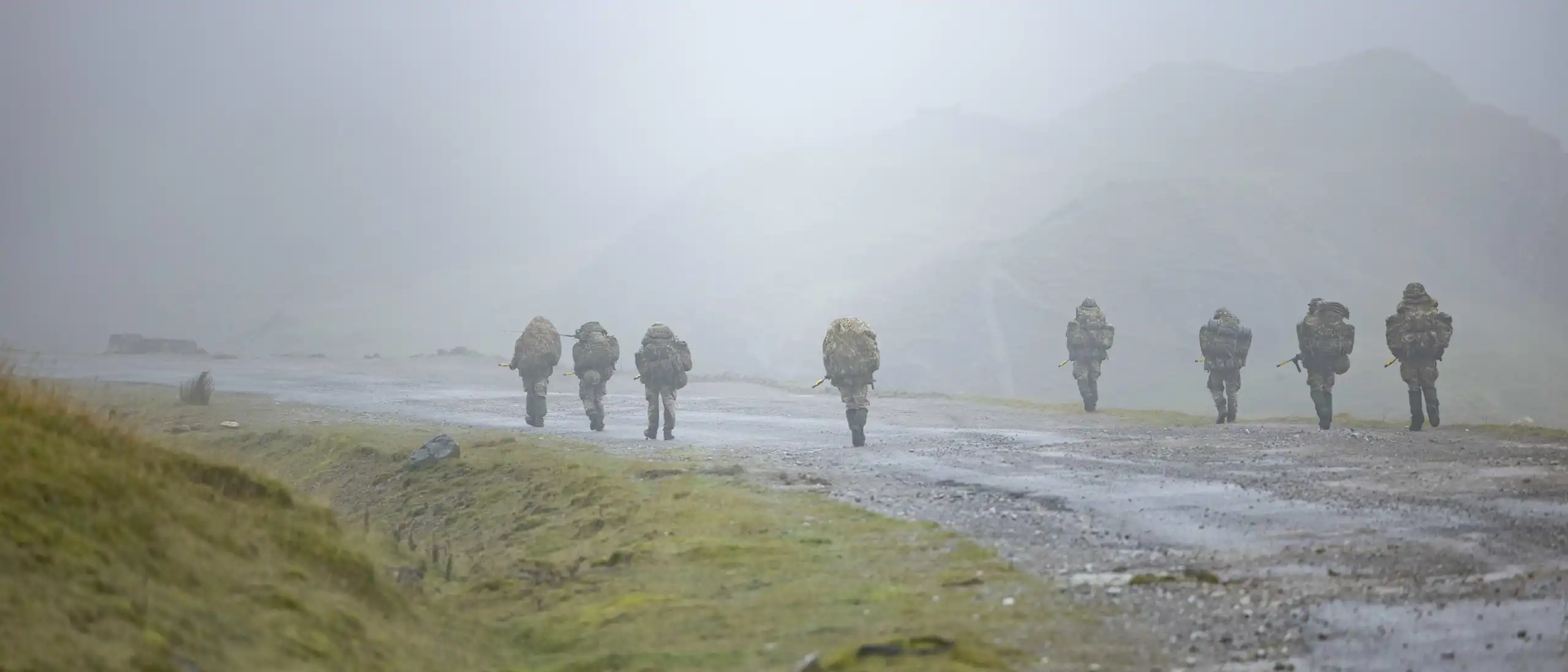
Exercise Cambrian Patrol has expanded to its largest edition since the event began in 1959, with 140 patrols taking part in a demanding two-day assessment across the Welsh mountains, according to the British Army.
Running from 2 to 13 October, the 2026 exercise has been increased to meet demand from British units and international partners, with additional phases and patrols added to the programme.
The field includes 75 Regular Army patrols, 15 Reserve teams and 13 from University Officer Training Corps units, alongside 35 international patrols and two combined British Army and international teams. More than 350 personnel are supporting the exercise.
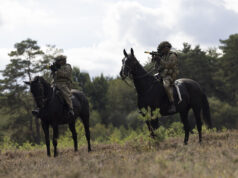
Each eight-person patrol begins near Builth Wells after an initial equipment inspection at Beulah, before receiving orders and completing its battle preparation. Teams then cover up to 40 miles across the Welsh mountains over roughly 48 hours before finishing at Sennybridge. Performance is assessed throughout the route, with teams competing for gold, silver and bronze medals or a completion coin.
According to a news update from the British Army, Major Darren Pridmore, Officer Commanding Exercise Cambrian Patrol 2026, said: “This is all designed to test the skills that soldiers need to survive and fight on the modern battlefield. It is a demanding assessment of leadership, resilience, tactical judgement and teamwork under pressure.”
The exercise is delivered by 160th (Welsh) Brigade on behalf of Commander Land Forces, with training direction provided by the Director Land Warfare Centre. Tasks this year include casualty evacuation, intelligence gathering, artillery fire planning, vehicle recognition, simulated chemical, biological, radiological and nuclear incidents, reconnaissance, minefield crossings and attacks on enemy positions.
Organisers have also increased the emphasis on small-unit leadership, placing junior officers and non-commissioned officers in situations where they must make tactical decisions while managing fatigue and maintaining the momentum of their patrol. The 2026 exercise has been adjusted to incorporate lessons associated with contemp rary conflicts, particularly the increased prevalence of persistent surveillance and unmanned aircraft.
Patrols will be tracked by both ground forces and unmanned aerial systems, requiring teams to consider concealment, routes and movement patterns while completing their assigned tasks. Mobility and survivability assessments include crossing the Forward Line of Own Troops, river crossings and navigating minefields during reconnaissance missions.
The exercise also includes a greater emphasis on the collection and integration of battlefield information. Patrols will use safe houses, static sensors and unmanned aerial systems to build an intelligence picture, combining information gathered from several sources before identifying and reporting targets.
Major Pridmore said: “We’ve preserved the spirit of Cambrian Patrol while adapting it to reflect the realities of contemporary conflict.
“From drones and persistent surveillance, to intelligence integration and CBRN readiness, this year’s exercise better reflects the challenges soldiers can expect to face on operations.”
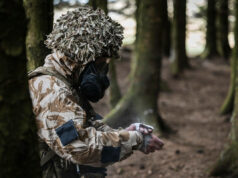
Chemical, biological, radiological and nuclear readiness will also receive greater scrutiny during the exercise, with teams assessed on whether they arrive with the necessary equipment and can continue operating in a simulated contaminated environment.
The changes reflect the Army’s wider effort to adapt training to battlefield conditions in which small units can face persistent observation, widespread use of drones and a greater requirement to combine information from distributed sensors.
Pridmore added: “The battlefield is evolving rapidly and success increasingly depends on close collaboration between operators, innovators and industry.
“Cambrian Patrol provides a unique opportunity to bring those communities together, helping us adapt faster, exploit emerging technologies and maintain operational advantage.”
International participation remains a major part of the event, with 35 overseas patrols taking part alongside British teams this year.
Cambrian Patrol has long been used by foreign armed forces as an opportunity to test their troops against British units in difficult terrain, while exposing participants to different tactical methods and operating procedures.
Major Pridmore said: “The United Kingdom does not fight alone. Future operations will be conducted alongside allies and partners, making interoperability and mutual understanding essential.”
The exercise takes place over terrain around the Brecon area of Wales, where weather, elevation and distance add to the tactical assessments faced by teams. Patrols must continue completing military tasks while carrying their equipment across the route and operating with limited rest.
Once the field phase is complete, teams undergo a detailed debrief and reporting process before their overall performance is assessed and the final medal standard determined.



Grrrr ‘Sennybridge’ enough to send shivers down your spine with those mountains! Bad enough tromping over then non tactically let alone taking tactics into account!