

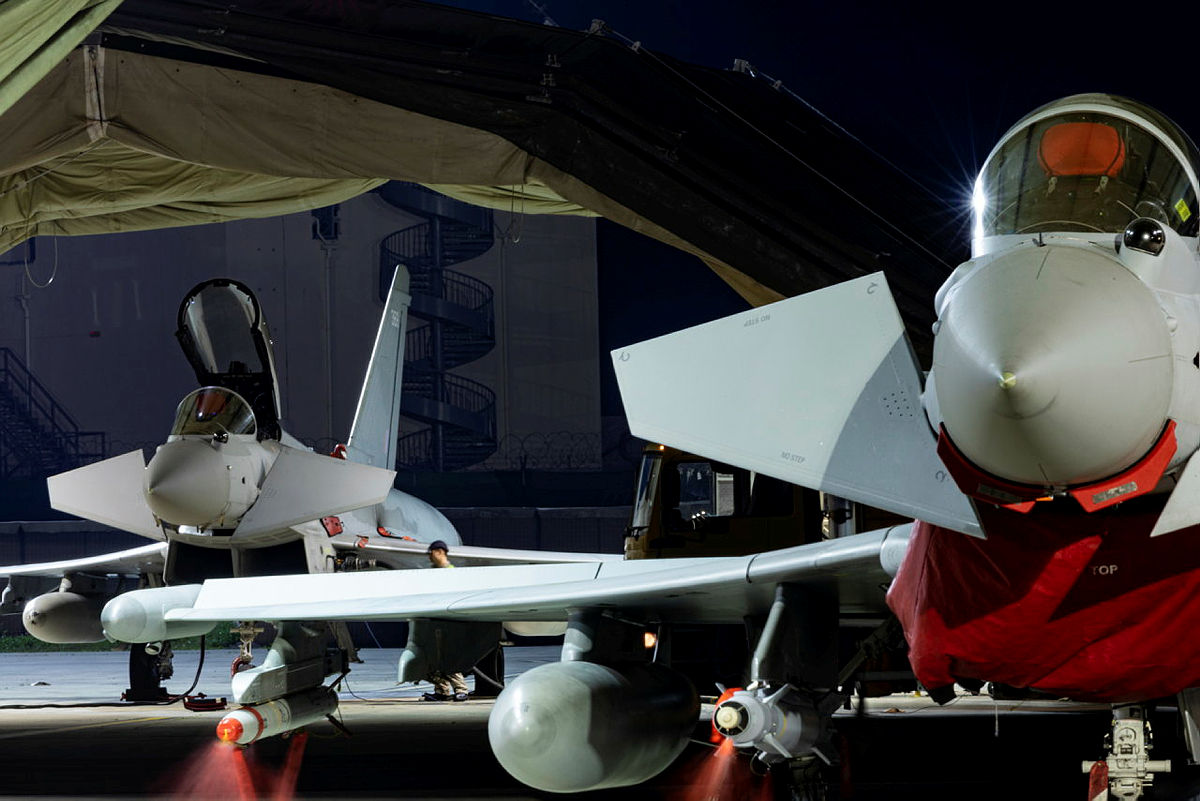
Delays to the Defence Investment Plan are risking the permanent loss of critical industrial skills, with trade unions warning MPs that once workers leave the sector, they are unlikely to return.
Giving evidence to the House of Commons Defence Committee, Prospect’s Bob King said the impact of delays is being felt across the entire defence workforce, from SMEs to major programmes. “When somebody leaves a defence company… they leave the sector. They usually go into another sector,” he said, adding that skills losses make it far harder to scale production later. “When we try to do it the second time around, the workers are just not there because they have gone somewhere else.”
Union representatives pointed to previous gaps in production as evidence of the long-term consequences. Steve McGuinness of Unite warned that the UK risks repeating past mistakes seen in submarine and aerospace programmes, where skills atrophied during periods without orders. In combat air, he said the lack of new Typhoon orders is already affecting the workforce pipeline. “If we do not have the aircraft being manufactured… we cannot teach apprentices how to do it. It is a very niche job. We will lose that skill base.”
The issue extends beyond production to the wider industrial ecosystem. King highlighted delays in programmes such as military communications and submarine decommissioning, while also warning that fragmented contracts and workforce shortages within the Ministry of Defence are compounding the problem. According to him, once skilled workers exit, rebuilding that capacity is costly and time-consuming, often requiring external support.
Witnesses also stressed that modern defence manufacturing cannot be rapidly scaled in the way seen during the Second World War. McGuinness noted that advanced systems such as fast jets require highly specialised, multi-year training pipelines. “Building a modern fast jet… is a very, very specialist thing,” he said, adding that only a handful of countries retain that capability.
The evidence given at committee suggests that the delay to the Defence Investment Plan is not only affecting current programmes but appears to also be eroding the long-term skills base required to sustain sovereign defence capabilities. Union representatives warned that without clearer demand signals and sustained investment, the UK risks losing critical industrial capacity that may be difficult, or impossible, to rebuild.









Wouldn’t an order an for 20+ Typhoon’s be useful at this time and affordable quantity the RAF could get additional masse reasonably quickly prior to F35A arriving and Tempest mid 30s? And taking advantage of any savings if built in sync with the Turkish order and the current radar upgrades for 40 for the RAF?