International pressure on Russia’s shadow fleet is changing how the tankers operate, driving up the cost of moving sanctioned oil and forcing Moscow to provide naval escorts that stretch its fleet, Louise Sandher-Jones has said, according to an answer given in Parliament.
Jim Allister, the Traditional Unionist Voice MP for North Antrim, asked what success has been achieved in curbing the operation of the shadow fleet.
Sandher-Jones, Minister for the Armed Forces, said: “It remains a government priority to put pressure on the Russian shadow fleet. This includes sanctions, coordinated diplomatic actions, and where appropriate, lawful interdiction. International efforts are having an effect. We observe changing patterns of behaviour which increase the cost of transporting sanctioned Russian oil as well as Russian naval escorts, which put additional demands on the Russian fleet. The Ministry of Defence stands ready to board shadow fleet vessels when required as shown through our interdiction of the Russian shadow fleet vessel MV SMYRTOS. Any enforcement action is considered on a case‑by‑case basis, in accordance with international law and domestic legislation.”
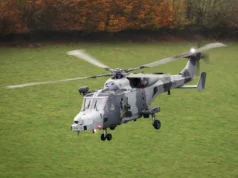
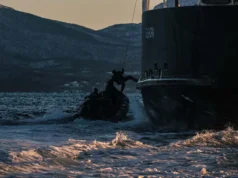
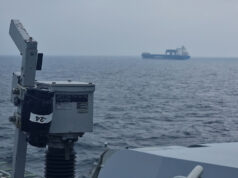
The Smyrtos was boarded in the English Channel about 25 miles off the Isle of Wight in the early hours of 14 June, in the first British boarding of a Russian shadow fleet vessel. Royal Marines and National Crime Agency officers went aboard from Chinook, Merlin and Wildcat helicopters, supported by an RAF P-8A Poseidon, after HMS Sutherland had shadowed the tanker for days, Naval News reported.
The Royal Navy said it had led the operation, which lasted around six hours. The tanker was taken to an anchorage off the south coast, east of Portland Bill, where HMS Ledbury provided security, and the government described the interception as a blow to Russia’s war chest.
The government says the shadow fleet carries around three quarters of Russia’s sanctioned oil, and Britain has sanctioned more than 500 of the vessels. The Smyrtos had been expelled from the Cameroon registry before it was seized, Lloyd’s List reported.
The boarding came weeks after ministers faced criticism in Parliament over the pace of enforcement. At a Commons committee hearing on 19 May, Liberal Democrat MP Mike Martin said 63 sanctioned Russian-linked vessels had passed through British waters since the measures were announced, “one a day”, and asked whether any had been interdicted. Al Carns, then Armed Forces Minister, did not dispute the figure, replying “We haven’t interdicted them” and saying each vessel had to be assessed individually under legal and operational rules, London Loves Business reported.
The Ministry of Defence said at the time that Britain had challenged more than 700 suspected shadow fleet vessels since October 2024. Shadow Defence Minister David Reed had said a month earlier that the government was “not moving fast enough to deter our adversaries”. The House of Lords European Affairs Committee warned as far back as 2024 that there was “growing evidence that Russia has been able to circumvent sanctions” through shadow tankers.
European navies have since stepped up their own action, and the European Union’s naval force has intercepted a suspected shadow fleet tanker, USNI News reported.