

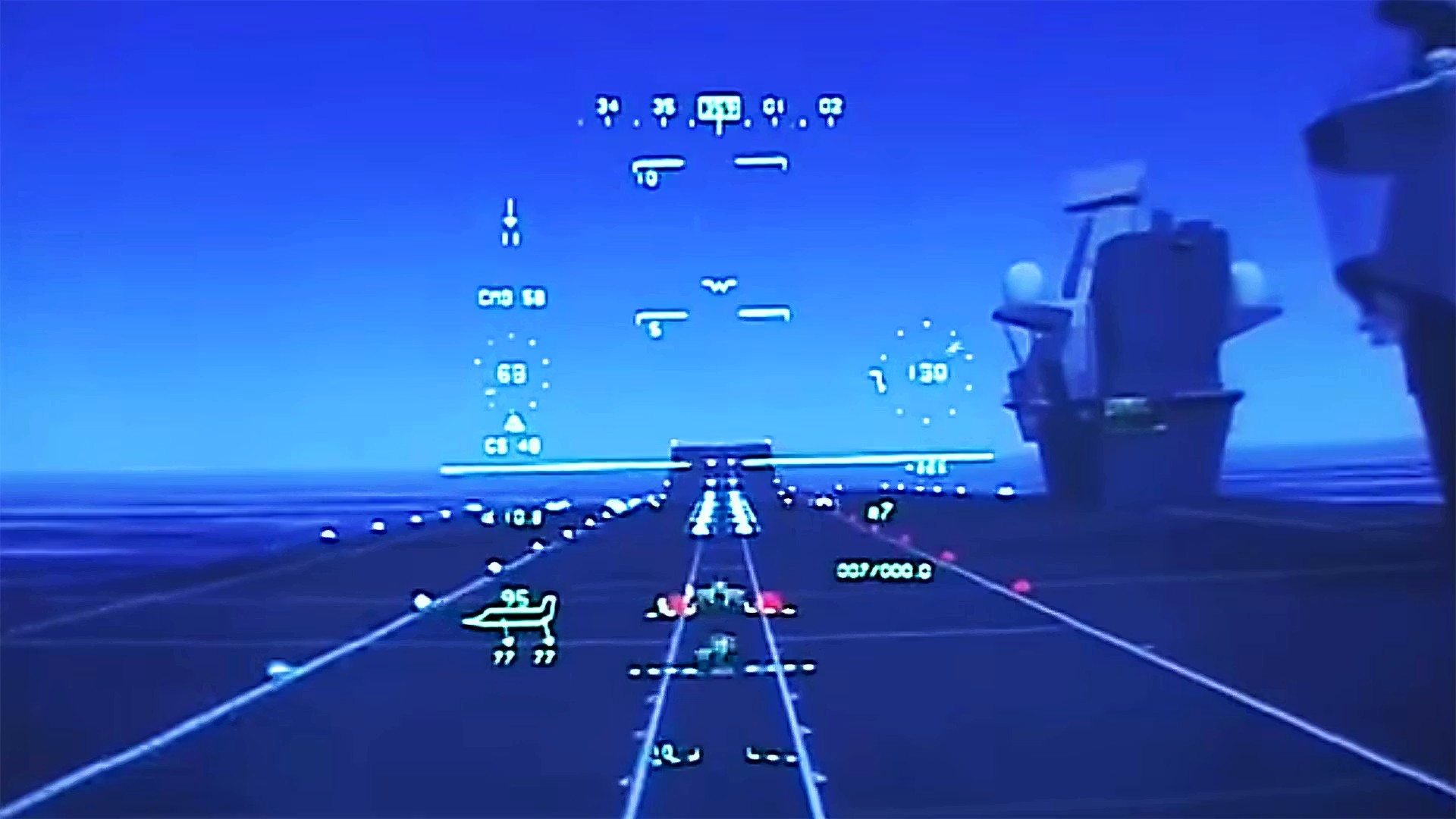
The Ministry of Defence has confirmed that analysis of the Royal Navy’s Shipborne Rolling Vertical Landing (SRVL) trials remains ongoing, more than two years after initial testing was carried out aboard HMS Prince of Wales.
In a written parliamentary answer, Defence Minister Luke Pollard said that equipment enabling UK F-35B aircraft to conduct SRVL landings is already fitted to the carrier and was used during trials conducted in 2023. However, the results of those trials are still being examined by a commercial partner, with no decision yet taken on whether the system will progress to full operational development.
“Equipment to enable UK F-35Bs to undertake Shipborne Rolling Vertical Landings is fitted to HMS Prince Of Wales and underwent initial trials in 2023; the results of those trials continue to be analysed by a commercial partner,” Pollard said. “When complete, this will enable the Ministry of Defence to make an accurate assessment of the benefits and cost of further developing the SRVL system for operational use.”
The response confirms that SRVL has neither entered service nor been formally cancelled, but remains in a prolonged assessment phase. Last year, the Ministry of Defence clarified that SRVL had been reprofiled rather than abandoned, following confusion triggered by language in the department’s annual report referring to a “Rolling Vertical Landing” upgrade cancellation.
In a previous written answer, the minister said that “Shipborne Rolling Vertical Landing (SRVL) for the UK’s F-35B Lightning aircraft to Queen Elizabeth Class carriers has not been cancelled; it has been reprofiled as a Defence Choice so that fitting the capability aligns with the introduction of a related complex weapons programme.”
That explanation suggested a sequencing decision rather than a technical failure, with SRVL potentially being aligned with the introduction of heavier and more complex future weapons.
The physical configuration of the carrier fleet appears consistent with that approach. HMS Prince of Wales retains several of the systems installed to support early SRVL trials, while HMS Queen Elizabeth has not received the Bedford Array landing aid during her current refit, despite earlier expectations that it would be fitted during this maintenance period. That omission points to a deliberate pause in near-term integration while preserving the option for later adoption.
SRVL is designed to allow F-35B aircraft to recover aboard a carrier at higher all-up weights by combining forward motion with vertical thrust. By maintaining airflow over the wings during landing, the aircraft can return with more fuel or unexpended weapons, reducing the need to jettison stores before recovery.




We have spent two years trailing landing lights on a carrier that would stop f-35s dumping millions of pounds munitions into the sea. Am I missing something?
I should say, two year trial for one carrier?
So the Bedford Array was proven in trials on the Charles de Gaulle in 2007 and HMS Illustrious in 2009 with QinetiQ T4 Harrier. So knowing that this works, didn’t put it in the budget in the initial build and has managed to install one. JK.
There wasn’t a Bedford array on CDG or Invincible
Not according to naval lookout, and atc network.
Certainly not the same kind being installed on Qnlz, the array was on Pwls as build but Qnlz was structurally finished around 2014
I’m just off the information from those two and another. Granted, this will have helmet integration for the f35s.
Bedford array was developed at RAE Bedford along with the auto landing software and systems tested on both CdG and Lusty.
VAAC was the acronym for the program.
There is some good information on the Bedford Heritage Trust’s legacy website on Harrier XW175.
I’ll post the link in a separate post otherwise moderation will strike!
It seems like everything the MOD does takes forever. Ukraine does in weeks what would take a decade in the UK.
This is another conformation of a not so long ago conformation that confirmed that this was still ongoing. It is yet to be confirmed as to when the ongoing will cease and the begining of Ops will start but some time in the 2030’s has been mentioned subject to conformation.
Two years for a commercial partner to do the analysis is ridiculous. One guy and a 2000s laptop?
Ah, but how much are they being paid?!
Troughs and milking remember when the MIC is involved.
A good point. I have a feeling someone may be drawing the job out!
To be fair it’s only been two years! Evaluation, properly managed by Government and MOD, should take five years at least, even if it’s only down to who makes the tea and buys the cakes.
if they have such reservations about this type of landing and the dumping of munitions , why did they even build a STOVL carrier .
From what I have looked at, they have known since trials on the Charles de Gaulle in 2007 and HMS Illustrious in 2009 with QinetiQ T4 Harrier.
Because Stovl is far cheaper and more realistic for us.
Also F35 doesn’t have to dump munitions every time it lands.
No only if it’s carrying a full complement of weapons on the internal bay,b which is exactly what it should be doing any time it would go into combat.
Yes? It can land with full internal bays, not additional munitions on the wings.
That is good news then but it is not what I have heard.
Putting off spending the money, that’s all it is.
Yup
Meanwhile in the old school world a good test pilot, using first simulators then a land runway with carrier markings, could probably suss the whole thing out in no time if they were freed up to just get on with it, instead of the usual snails pace process of diverting millions of quid to a “commercial partner”.
Eric Winkle Brown would have nailed this in a week.
Ah! Someone else gets it. The gravy train.
We’re struggling with this.
I thought the government cut this program ?
Why does this take so fucking long… Shouldn’t these wetwipes be sending the HMS PoW to sea, conducting the tests, looking at testimonials from Harriers at the time of their operation and be saying, this is worth it. It shouldn’t be 2 years, it really should only be 2 months, and even then, you’re waiting for RN to send the carrier out.
The explanation I’ve seen, and I forget where, is that we currently don’t have the weapons for the F-35B to load it sufficiently to benefit from SRVL. Delays to the F-35’s Block 4 software means that weapons previously expected in late 2020s have been delayed to the 2030s.
But surely it would be good to get the pilots used to doing these landings before they have the weapons that force them to do it.
And I’m 90% sure I read on UKDJ that the system only costs 600,000. The cost of dumping a single missile would already make that a more expensive option.
Even if it isn’t required for several years building it now and making sure all the pilots are trained and practiced in it’s use would mean that we could deploy heavier weapons as and when they became available and not have to then say right we have the weapons it will be another 3 years till we can regularly fly with them in the expectation that they will be returned to the vessel unused.
I think it is a case of spending small (ish) amounts of money now and procrastinating for appearances sake rather than a lump sum and getting it done. The end result is that it is good for balancing the books now, but you end up spending more in the long run and have nothing to show for it.