

Home Blog
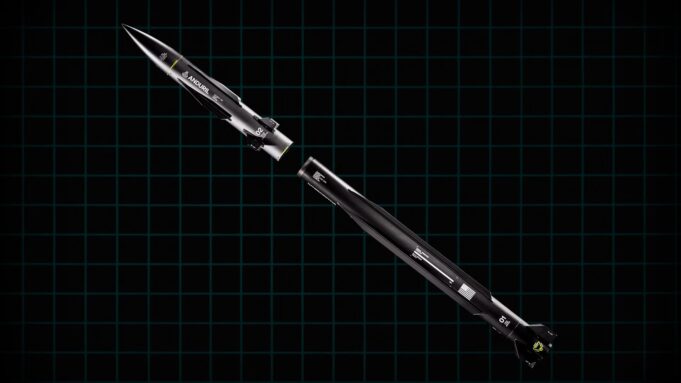
Anduril has revealed Steelfin, a family of surface-to-air interceptor missiles built on a common two-stage architecture so that one production line can turn out versions for everything from point defence to upper-tier ballistic missile defence.

A Leicester security academic calls the American president a Russophile and, in his words, a traitor to the West’s liberal-democratic values, and says Britain must plan to fight alone on five per cent of GDP.

British F-35Bs flying from HMS Prince of Wales and Norwegian F-35As have escorted a United States Air Force B-52 on a nuclear exercise.
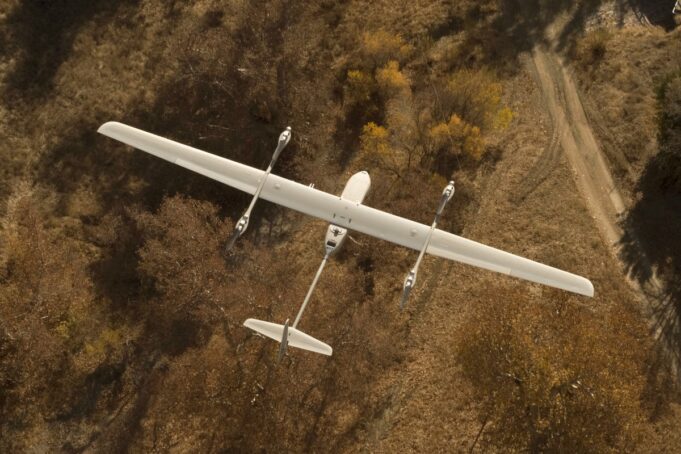
The Ministry of Defence intends to raise the maximum take-off weight allowed under the British Army's mini drone contract from twenty kilograms to fifty.
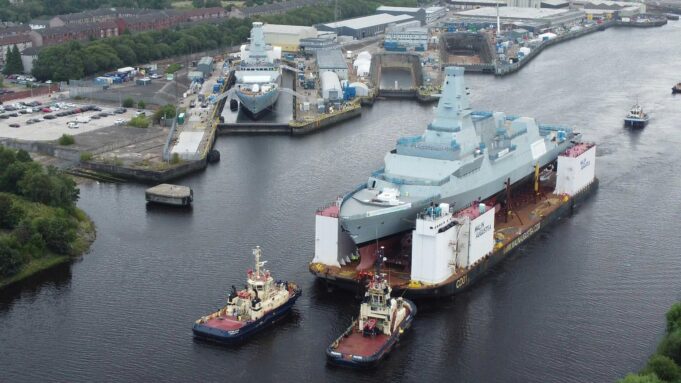
The Liberal Democrats have proposed ordering six additional Royal Navy frigates and expanding British shipbuilding capacity as part of a defence package aimed at responding to the threat from Russia.

The programme to replace the SA80 family of weapons carries an estimated value of up to £2 billion and the contract is expected to run from July 2029 until the end of March 2045.
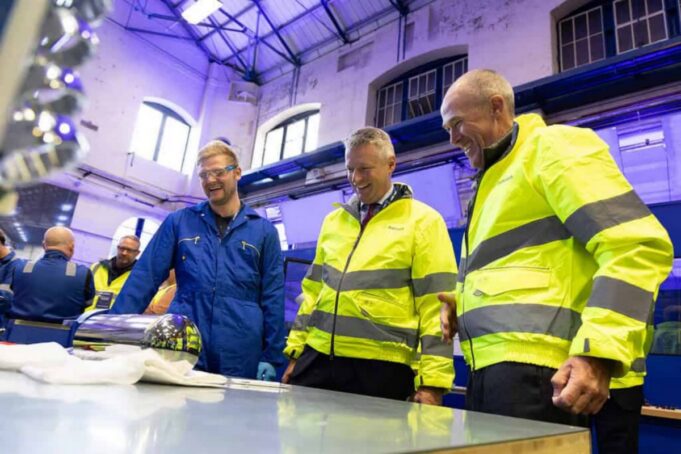
Babcock has opened a Skills Centre at Devonport Dockyard able to support fifteen hundred technical staff and apprentices a year, and has broken ground on an Integrated Logistics Hub at Sherford.
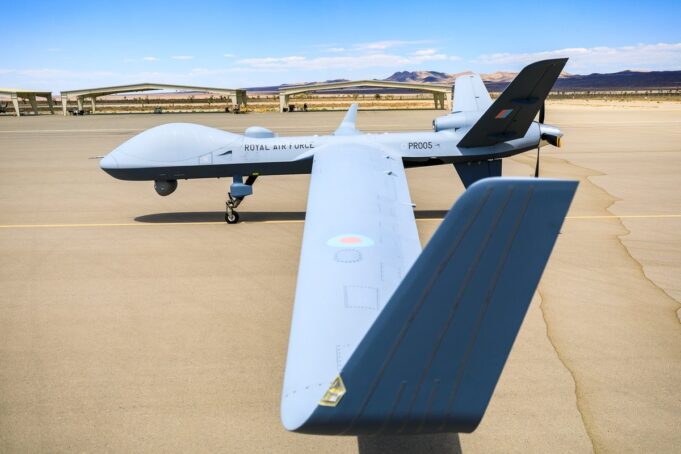
An RAF Protector RG-1 that flew over the English Channel on 14 October was operating in support of defence aims and not in support of the Home Office, according to an answer given in Parliament.
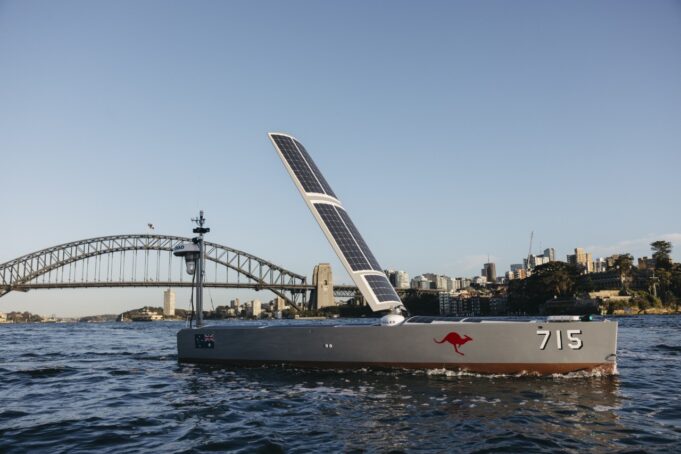
Ocius Technology has opened an engineering, production and maintenance hub for its Bluebottle uncrewed surface vessels in Sydney, together with a round-the-clock global operations centre.

An independent review has been commissioned into ways of reducing the ground vibration reaching the Eskdalemuir seismic array.
