

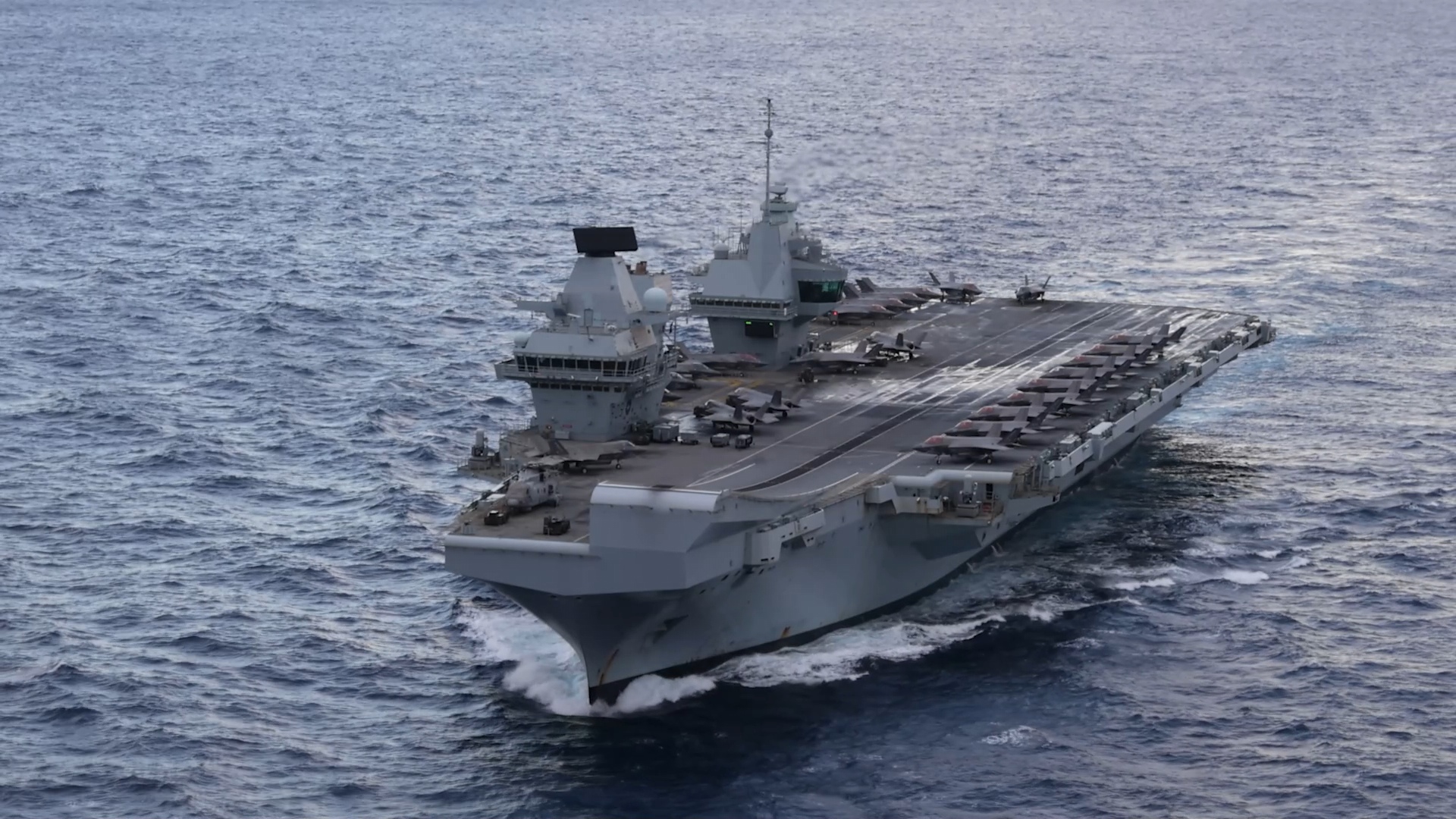
NATO has released an updated maritime strategy that will shape Allied naval posture, capability development and readiness across the Euro Atlantic region, according to the Alliance.
The document elevates collective defence as the organising principle for future maritime planning.
Vice Admiral Mike Utley, Commander of Allied Maritime Command, said the strategy establishes a framework for addressing threats at sea. “NATO’s maritime forces provide integral and credible combat power for the Alliance that underpins our collective defence. This strategy will guide Allied efforts to strengthen capabilities, leverage emerging technology, enhance lethality, and prevail in conflict”, he stated.
The strategy underscores the centrality of maritime power to deterrence, crisis prevention and economic stability. NATO argues that global commerce and critical infrastructure rely on secure sea lanes, and that Allied forces must be prepared to “fight tonight” while building capacity for the next decade.
Russia is described as the most direct threat to Euro Atlantic security, with the Alliance pointing to coercion, hybrid activity and an expanded naval presence stretching from the Baltic and Black Seas to the High North. Terrorism remains the most direct asymmetric danger to Allied populations. The strategy also notes China’s expanding naval activity and its tightening partnership with Moscow.
NATO warns that climate change and emerging technologies are reshaping the strategic environment. Melting Arctic ice, autonomous systems, hypersonic weapons and AI enabled platforms are cited as factors increasing operational complexity and accelerating the pace of adaptation required.
The Alliance intends to strengthen carrier strike, anti submarine warfare, mine warfare and autonomous capabilities. It also emphasises rapid response, force projection and flexibility for missions ranging from maritime interdiction to humanitarian support.
Standing naval forces will continue as NATO’s forward presence at sea, supported by improved surveillance, more integrated information sharing and stronger cooperation with civilian and commercial partners. Digital command and control systems are expected to support faster, better informed decisions.
NATO says delivery of the strategy will occur through the NATO Defence Planning Process, expanded defence investment and closer industrial collaboration among Allies.




Climate change has to be the most serious threat to NATO domination of the Atlantic, we have always worked on the basis of the Atlantic being open at only one end to non European/North American navy and we have a bases and territories at Gibraltar, Ascension, Falklands and Cayman that could control entry however with melting Arctic ice and possibly an ice free Arctic coming soon in summer the North Atlantic will be open a both ends and in easy reach from China.
This makes Atlantic Bastion and the GIUK gap even more vital.
We probably have to take note of Nigeria soon as well. It’s an Atlantic based nation and it’s on track to have a population of 700 million and it will probably be the biggest country in the world by 2100.
The solution to Global Warming is to have fewer people on the planet. Its overloaded. When I was born there were about 2.5 bn. Now its 8.0 bn with all wanting Western living standards whereas then it was only Europe, Japan, and North America. Literally the end of the story. I would guess we are using resources at about 3 or 4 times the rate which is unsustainable. Britain is not the problem, so forget net zero its a red herring. If we haven’t already given them to the French.
Yeah everybody’s worried about Nigeria.
NATO’s strategy to combat Russia seems to be awfully passive, sitting and worrying about how to prevent Russia doing nasty things to us: do we have enough forces in the Baltic States to stop Russia taking them? Do we have enough frigates to defend our interests at sea? And so on. Not that these aren’t important questions and I don’t expect NATO to divulge to some random on an internet forum how they intend to take the fight to the enemy, but there is very little said about what we’re going to do to Russia.
The Black Sea Fleet has been forced, by Ukraine, to retreat from its bases in Crimea and would seem to be locked into that zone. The Baltic is, from a Russian perspective, hopelessly surrounded on all sides by NATO members. With regards to the maritime security of the UK then, it seems that only the Northern Fleet, with its bases around Murmansk, is a serious threat. The Northern Fleet is well within range of medium range missiles and drones. They’re not even very far from the NATO borders of Norway and Finland. If there was a road it’d only take a few hours to drive there. Distance wise, it’s like taking off from London to bomb Southampton.
The vessels that are out may get their shots off but then where are they going? Even if the entire fleet is out, can they deliver, across all of NATO, the same effect that they have been meeting out to Ukraine on a nightly bases for years? Short of Nuclear weapons that is, if they want to end the world. Ukraine hasn’t been defeated.
Anyway, I’ll put my Armchair Field Marshall’s baton back in its case now. The point I’m making is that NATO shouldn’t be so timid and only be about reacting to things as they happen.
i hope they take “civilian” container ships, etc… into consideration and ways of how to deal with them.
because right now they are untouchable and can approach a carrier in short striking distance in busy waterways.
We need heavyweight torpedoes or drones to take them out. NSM and 57mm guns aren’t going to touch large merchant vessels.
Who’s side are the Americans on? Vlad would like to know
You might want to look within rather than without. Europe is pretty much impotent… The cavalry is not coming. This is not a vital US interest.
And in a few years time we will be sitting on our sofas with popcorn and beers watching American ships go down in the west Pacific while we cheer on the Chinese. Fuck you you Fascist shit. You are Reform with an accent and death to you all.
Wow… That’s a pretty pathetic comment but yeah and then you get it next because you can’t defend yourself. Of course no one really wants the UK anyway.
Maybe Trump wants to keep them guessing, keeping us all guessing?
There’s a reason why the Americans are not coming to defend you and you are exhibit number one