Lockheed Martin Skunk Works and Israeli firm XTEND have integrated the XTEND Operating System into the MDCX autonomy platform to enable a single operator to control multiple classes of uncrewed aircraft at once.
The companies position this as a step toward more efficient command and control for joint all-domain operations.
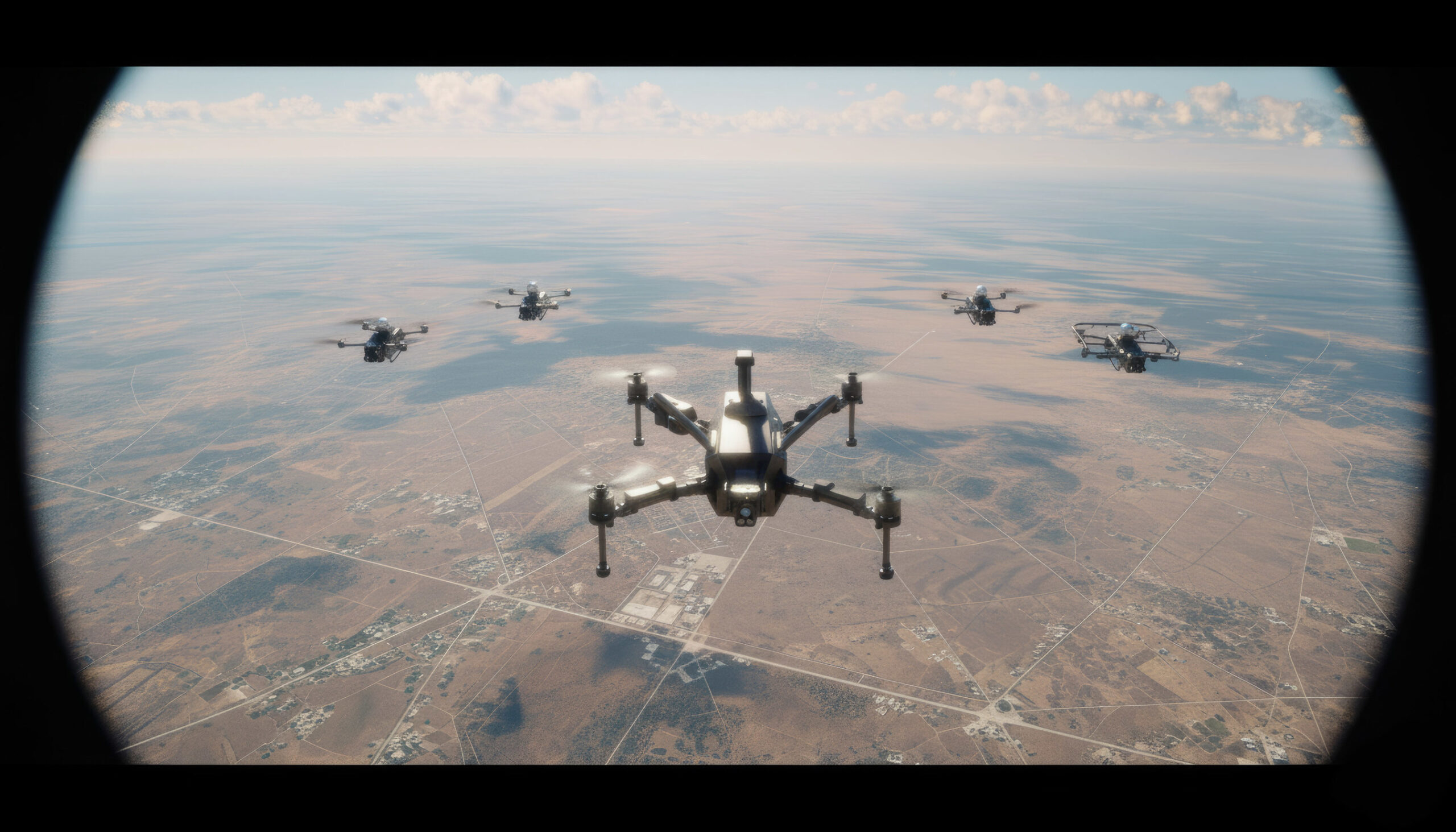
The collaboration centres on a Multi-Class MDCX workstation. In a recent demonstration, a larger unmanned aircraft deployed a smaller Class 1 drone for a close-in mission while remaining under the control of a single operator. According to the companies, this removed the need for a handoff to a secondary operator for lower-tier controls such as first-person view or mark-and-fly inputs.
Lockheed Martin and XTEND argue this approach reduces manpower requirements and enhances situational awareness during complex mission execution. They also suggest it could shorten decision timelines in joint all-domain C2 environments. XTEND presents its operating system as designed for conditions where GPS may be denied or radio-frequency links jammed, and claims that XOS allows less experienced operators to reach near-expert proficiency more quickly.
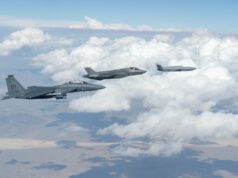
Skunk Works frames the integration as part of a wider effort to support human-machine teaming. The unit stated: “Skunk Works is dedicated to enabling piloted and drone teaming to optimise operational flexibility, abbreviate data-to-decision timelines and improve pilot safety. We continue to collaborate with and invest in enabling technologies to keep our customers ahead of emerging threats.”