

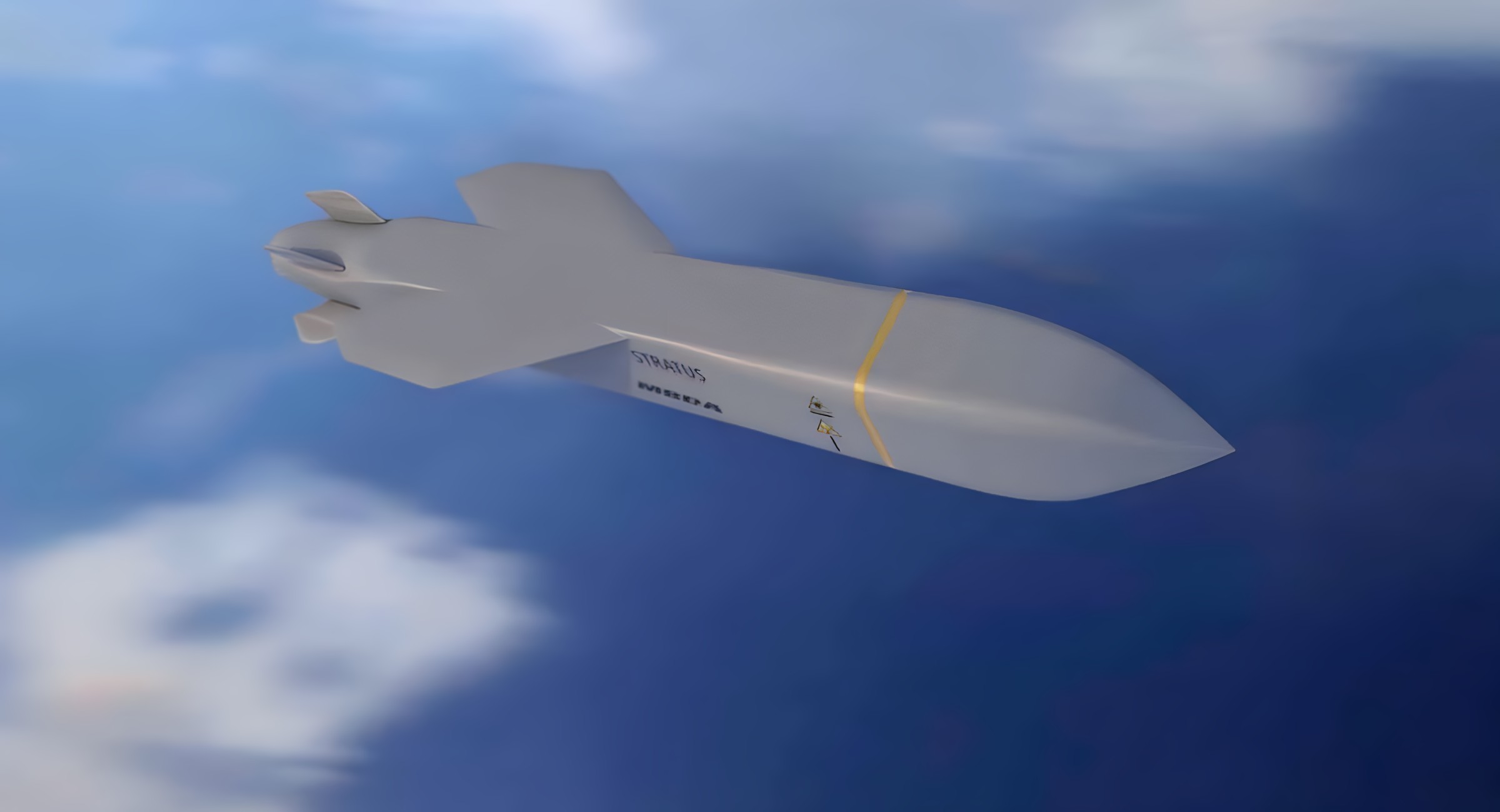
Britain will invest £1.4 billion in the Stratus missile, the next-generation long-range weapon being developed with France and Italy to arm Royal Air Force Typhoons and the Royal Navy’s new frigates, the Defence Investment Plan said.
The plan described Stratus as “the future of the UK’s complex weapons programme,” delivering long-range strike against complex targets for both the Navy and the air force, and said continued investment in the missile would provide the bulk of the country’s long-range strike capability, building on the Lancaster House agreement that has underpinned defence cooperation between Britain and France since 2010.
Stratus is the new name for what was long known as the Future Cruise and Anti-Ship Weapon, a programme MBDA launched with France in 2017 and that Italy has since joined, rebranded at last year’s DSEI defence show in London.
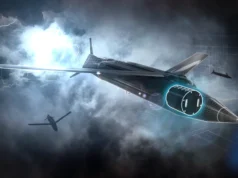
It is in fact a family of two missiles, the stealthy, subsonic Stratus LO, which Britain is leading and which is intended for deep strike against land and naval targets at a range reported to be around a thousand kilometres, and the supersonic, ramjet-powered Stratus RS, led by France, optimised for sinking ships and suppressing enemy air defences, with the two together meant to replace the Storm Shadow cruise missile and the Harpoon and Exocet anti-ship weapons across the three nations.
The plan also announced a review of the Stratus long-range strike programme, to be concluded by 1 September this year, which it said would look at all options regarding the future of the programme, a step that introduces a note of caution alongside the headline funding, since a review examining every option can point either towards a firmer commitment or towards a narrowing of ambition.








Hopefully we get both variants in air and sea launched configurations.
So nothing for “heavy hitting?”
What about glide bombs and systems to deliver them?
They say lessons learned from Ukraine…
can i have a drone to was behind my ears and do my teeth? we could call it a type99.
This is the StormShadow replacement
Intresting to see who gets the first operational missile
Britain or France..?