

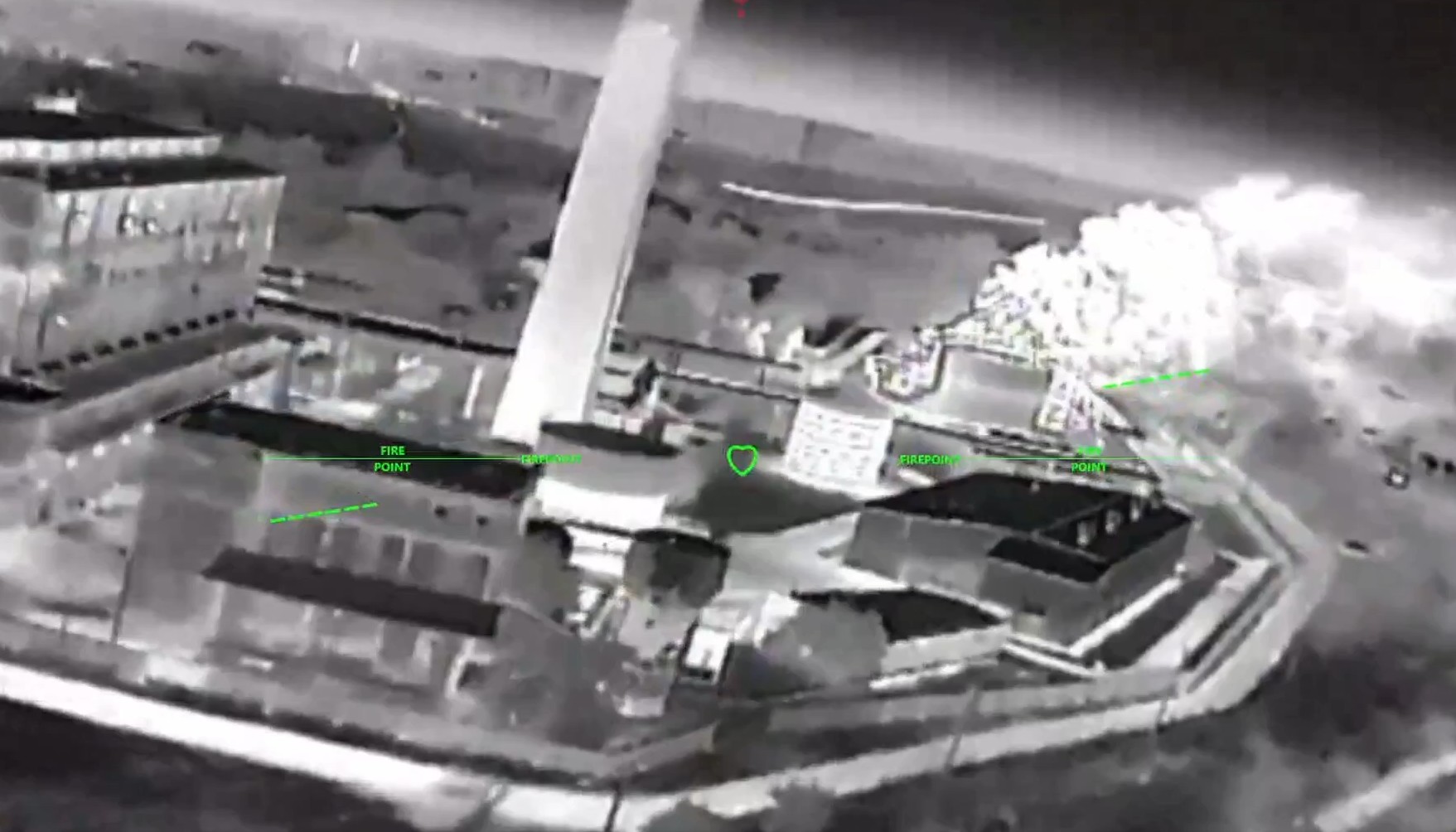
Ukrainian long-range strikes are having a significant effect in isolating Crimea and degrading Russia’s ability to resupply its forces, with Ukraine striking up to 190 vessels at sea in the month of July alone, according to a Western official.
Speaking on the war in Ukraine, the official said Ukraine continued to have real success in what they called the mid-strike zone, described as roughly 30 to 300 kilometres in depth from the front line, against a Russian inability to protect itself there. That, the official said, was “severely degrading their logistical resupply back up to the front line.”
The effort was increasingly cutting off the peninsula, which the official said was under close watch. It was “now having a significant effect regarding the isolation of Crimea, which is something that we are absolutely closely monitoring here, given Crimea’s totemic and ideological resonance to Putin personally,” the official said.
The method, according to the official, was striking shipping as Ukraine had hit “up to 190 vessels in the calendar month of July alone, which both has the effect of isolating Crimea, but also has a range of economic effects as well in terms of Russia’s ability to export oil and grain,” the official said.
The figure is consistent with tallies published by Ukraine’s own commanders, Robert Brovdi, commander of Ukraine’s Unmanned Systems Forces, has reported that drone units struck more than 200 Russian shadow-fleet vessels between 6 and 28 July under an operation codenamed MoLoChKa, split between the Sea of Azov and the Black Sea, according to Ukrainian media reports of his statements. Naval News reported that a single overnight raid on 6 to 7 July hit ten ships, including eight oil tankers, in an operation aimed at crippling the logistics supplying occupied Crimea. Reuters reported on 16 July that the escalating attacks on shipping by both sides had contributed to a rise in global wheat prices, while CNN reported that Ukrainian strikes had forced Moscow to suspend traffic through the Kerch Strait, with satellite imagery and vessel-tracking showing long queues of ships waiting on both sides.
Crimea, annexed by Russia in 2014, has been a recurring focus of Ukrainian deep strikes throughout the full-scale war. Ukraine has repeatedly attacked the Kerch Bridge, damaging it severely in October 2022 and again in July 2023, and has struck air bases, air defence sites, naval facilities and logistics hubs across the peninsula. Sustained attacks on the Black Sea Fleet, including the sinking of the cruiser Moskva in April 2022, prompted Russia to relocate much of the fleet eastwards to Novorossiysk.
Russia had responded in kind, of course. Over the past couple of weeks it had been “striking grain-moving vessels out of Ukrainian ports,” the official said, which “could easily result in Ukraine having to use Danube riverine and land routes to export grain over the next few months.” That was just about achievable by scale, the official added, “but of course, the cost per unit associated with that becomes much higher.”
Al Jazeera reported in mid-July that Russian drone and missile attacks on port infrastructure in Odesa and Mykolaiv had killed several people over successive days of strikes, with Ukraine’s navy reporting a Russian strike on a civilian vessel near Odesa. Grain exports have been a repeated pressure point in the war: after the collapse of the UN and Türkiye-brokered Black Sea Grain Initiative in July 2023, Ukraine established its own maritime corridor hugging the western Black Sea coast, while the Danube ports of Izmail and Reni, together with road and rail routes into the EU, carried much of its grain when the deep-sea ports were constrained.
Asked about Russian attacks on third-party flagged vessels and whether these opened a diplomatic avenue with the global South, the Western official said work was under way. Recalling the scale of the effort when Black Sea grain was a major issue in 2022 and 2023, the official said individual incidents were being used to build pressure.





A great strategy In so many ways.