

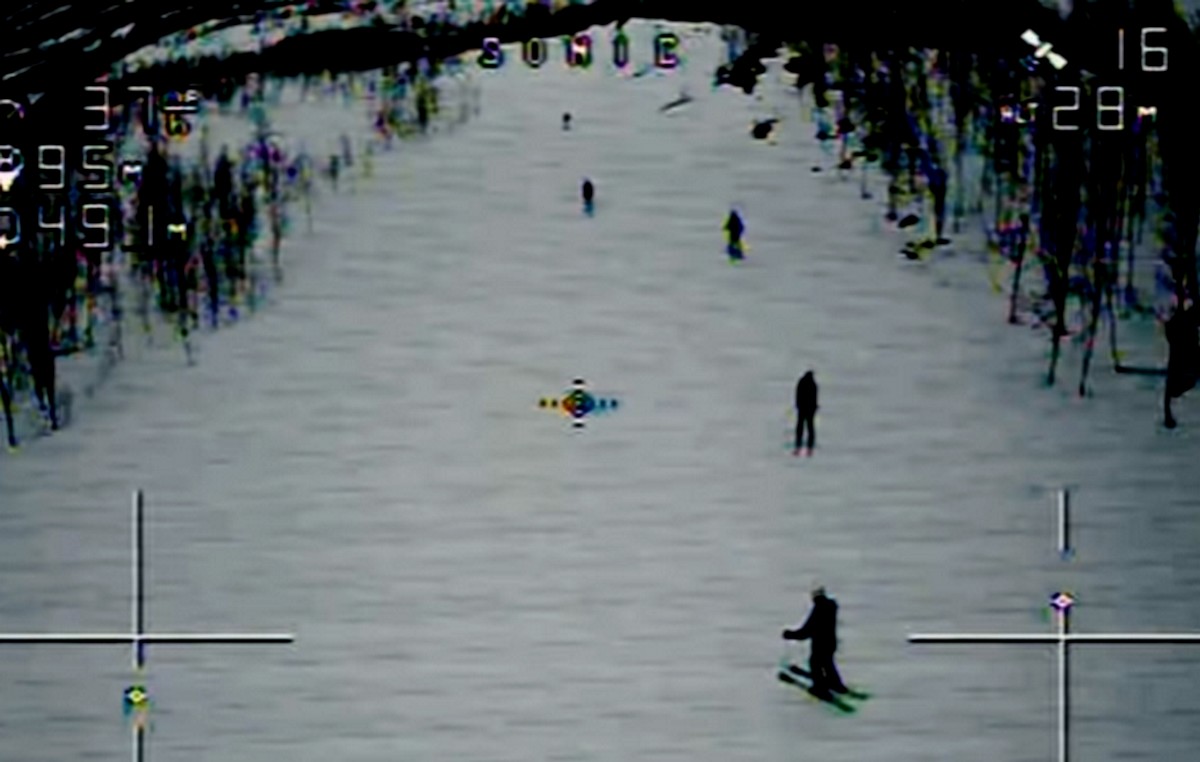
The Army is asking industry whether it can supply affordable, scalable first person view drone training systems, in an expression of interest covering the small uncrewed aircraft element of Project UBIQUITY, according to a market engagement notice published on Thursday.
The requirement is valued at an estimated £3 million excluding VAT, running from 11 January 2027 to 10 January 2028 with a possible extension to January 2029, and is marked as particularly suitable for small and medium-sized enterprises.
According to the notice, the element concerns “scalable, non-energetic FPV training systems for Army training, experimentation and force development”, with the exercise intended to gauge market interest and supplier capability to deliver those systems alongside ground control stations, batteries, spares, repair support and training documentation.
The department also states it wants to “confirm the existence of a competitive supplier landscape and inform refinement of the User Requirement Document prior to any potential formal tender release”. Responses are requested by 2 October, and suppliers who do not wish to take part are invited to explain why, which the department says will help develop an understanding of the wider market.
What non-energetic means
Non-energetic means the systems carry no explosive or warhead, which confines the requirement to training rather than to anything a soldier would fly at a target.
First person view flying puts the operator inside the aircraft’s own camera feed through goggles or a screen, rather than watching the drone from the ground, which is the technique that has made small quadcopters so effective in Ukraine and which demands a good deal of practice to do well under pressure.
Training systems of that kind are the same airframes without the payload, flown until operators can guide them through obstacles, into buildings and onto moving targets. The skill transfers directly, which is why the aircraft used to teach it need to behave like the ones used operationally.
Ground control stations, batteries and spares appearing in the same requirement reflect the consumable nature of the equipment, since training at volume means a steady loss of airframes to crashes and a steady demand for batteries and components.
The Army has been building drone capability across several programmes at once. Project ASGARD covers the sensing and strike architecture intended to find and attack targets at depth, and the Strategic Defence Review set out a force structure in which 40 per cent of combat capability comes from single-use autonomous systems and a further 40 per cent from reusable ones, leaving 20 per cent in traditional crewed platforms.
Britain has committed to supplying more than 120,000 drones to Ukraine this year, with over 25,000 delivered by the time the Defence Secretary reported to the Ukraine Defence Contact Group last week, and the department has drawn repeatedly on Ukrainian experience in shaping its own programmes.
The counter-drone side of the problem has been developing in parallel, with ministers confirming £240 million for Project PRESAGIUM, an enhanced counter-drone system for protecting military sites, while a separate answer this month stated that no decision has been taken on including a hard-kill counter-drone active protection system within the Mechanised Infantry Programme.




See if Russia will do it. Their drone corps is bigger than the British army now.
One of surprises of this war is how Russia traditional conventional forces failed so much.