

Denmark’s military intelligence service says there is a low but growing risk that Russia could carry out a limited military attack against one or more NATO countries bordering Russia, potentially within the coming months and even while the war in Ukraine continues.
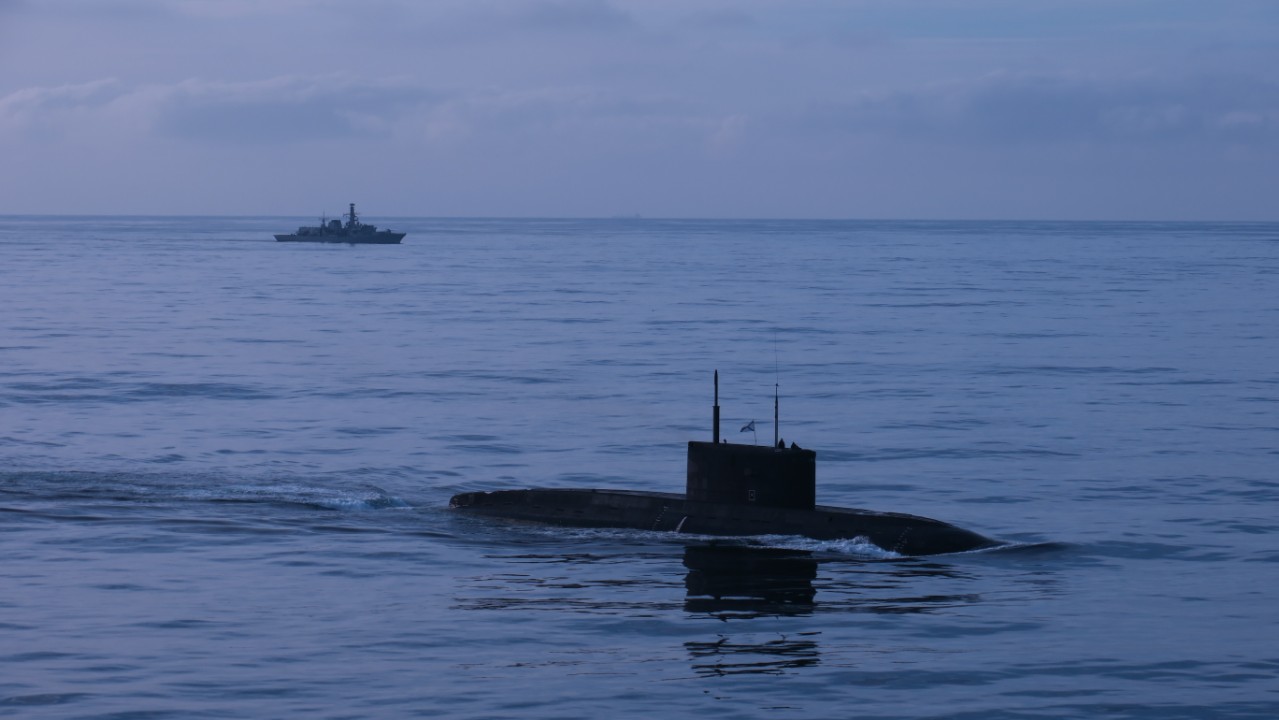
In a new unclassified assessment of the threat from Russia, the Danish Defence Intelligence Service said Moscow had become more willing to take risks and was expected to intensify its hybrid campaign against NATO and the West. The service pointed to sabotage, destructive cyber attacks and drone activity in Europe, while saying Russian forces had also behaved increasingly aggressively towards NATO military units in the Baltic Sea region.
The assessment said: “There is a low but growing risk that Russia will launch a limited military attack against one or several NATO countries bordering Russia. This could happen even if Russia continues the war against Ukraine and has not built the military capabilities necessary to wage a regional war.”
Danish intelligence said such an attack would be a “desperate move” and could be intended to divert European resources away from Ukraine or create divisions within NATO over how the Alliance should respond. One scenario set out in the assessment involves isolated long-range strikes against infrastructure used to support Ukraine, followed by a Russian claim that weapons entered NATO territory because of Ukrainian jamming. Another possibility identified by the service is a false-flag attack using Ukrainian-made drones.
The assessment also considers the possibility of Russia deploying a small number of troops, potentially without national insignia, into a NATO country bordering Russia. Danish intelligence said such an operation would probably be preceded by a build-up of regular Russian forces near the border to prepare for a possible NATO response, a process it assessed would take several months and be difficult to conceal.
At the same time, the service said it had seen no indications that Russia was preparing an outright invasion of a NATO country and judged such an attack to be highly unlikely. It estimated that Moscow would need at least six months to prepare and assemble the forces necessary for an invasion, while warning that the possibility could no longer be completely ruled out.
The report said Russia would probably contemplate limited military action only if Moscow believed it would not trigger a collective NATO military response. It added that Russia was likely uncertain about where that threshold lies, particularly if it assessed that the United States could not or would not support European NATO members in a conflict.
Danish intelligence also expects Russia to increase the frequency and severity of hybrid attacks against Western countries. It said recent Russian activity had increasingly moved beyond attempts to create fear or reduce public support for Ukraine and towards directly interfering with military assistance, including sabotage against defence companies and railway transport carrying military equipment.
The service said future activity could include destructive cyber attacks capable of disabling critical public functions and sabotage carrying a high risk of casualties. It also cited a warning by Denmark’s domestic security service that Russia was planning and preparing sabotage against defence companies on Danish territory.
The updated assessment retains timelines published by Danish intelligence in February 2025 under a separate set of assumptions, including an end or freezing of the war in Ukraine, continued Russian military expansion and insufficient Western rearmament. Under those conditions, the service assessed that Russia could be capable of fighting a local war against a neighbouring country within around six months, pose a credible regional threat to several Baltic NATO members within two years and be ready for a large-scale European war within around five years.
Danish Foreign Minister Lars Løkke Rasmussen described the assessment as “deeply concerning”, saying: “Russia will escalate hybrid attacks, and low but increasing risk of limited attacks against NATO countries. We will not let ourselves be intimidated, but will continue support for Ukraine, pressure on Russia, and European rearmament.”







Why?
It would happen only as an act of desperation, but would have some logic politically internally. One scenario is a limited excursion into a Baltic State, little green men supported most like, forcing a NATO response knowing NATO’s would not venture into Russian territory. Any such border conflict could then with total control of the media be presented as a NATO attack on Russia, a serious provocation blah, blah, blah. This would help them pass a semi or full mobilisation to use in Ukraine.