

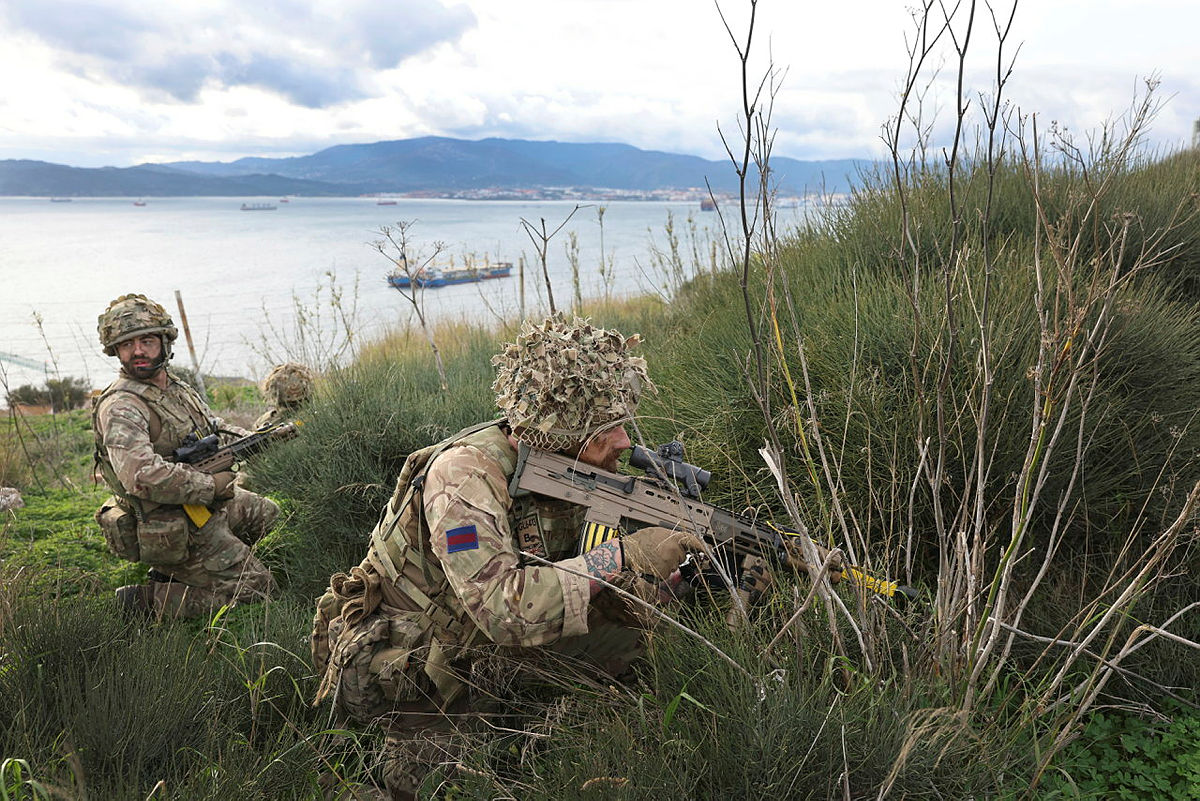
Just under three per cent of Britain’s reservists were mobilised for operations in the last financial year, with the proportion falling for a second year running as overall reserve strength declined, according to an answer given in Parliament.
Gordon McKee, the Labour member for Glasgow South, asked what proportion of reservists had been mobilised for operations in each of the last five years.
Calvin Bailey, Parliamentary Under-Secretary and Minister for Veterans and People, said: “Our Reservists make a vital contribution to the nation’s security, supporting operations at home and overseas.”
The figures he supplied cover Future Reserves 2020 personnel and serving ex-regular reserves. Strength stood at 39,400 at the end of the 2021/22 financial year, 37,460 a year later, 36,220 at the end of 2023/24, 35,940 at the end of 2024/25 and 36,280 at the end of 2025/26, the first rise in the series.
Deployments over the same period moved on a different curve. In 2021/22 a total of 920 reservists deployed, which was 2.3 per cent of the force. That rose to 1,730 in 2022/23, or 4.6 per cent, and peaked at 1,850 in 2023/24, or 5.1 per cent. The figure then dropped to 1,160 in 2024/25, which was 3.2 per cent, and to 1,060 in 2025/26, or 2.9 per cent.
The peak years coincide with the heaviest period of British support to Ukraine, including Operation Interflex, the training mission for Ukrainian recruits run from sites across the UK, which drew on reservists alongside regulars and allied instructors.
Reserve strength has been a persistent problem for the department for well over a decade. The Future Reserves 2020 programme set a target of 30,000 trained Army Reserve soldiers that proved difficult to hit, and the services have struggled with the recruitment and retention of part-time personnel for most of the past decade. The Strategic Defence Review last year committed to growing the reserves and gave them a larger role in homeland defence, including the protection of critical national infrastructure, and the department has since set out investment in equipment for reserve units.
Mobilisation of a reservist can be compulsory or voluntary, and employers have statutory obligations and rights around it.







Given the latest polling that claims 48% of the population would not fight for their country, it’s hardly surprising recruitment is difficult. I suspect that only some of that 48% really mean that and once they realise the Russki invaders would switch Facebook off then they would get very cross indeed.
No funds as ever. The social security emergency is the priority.