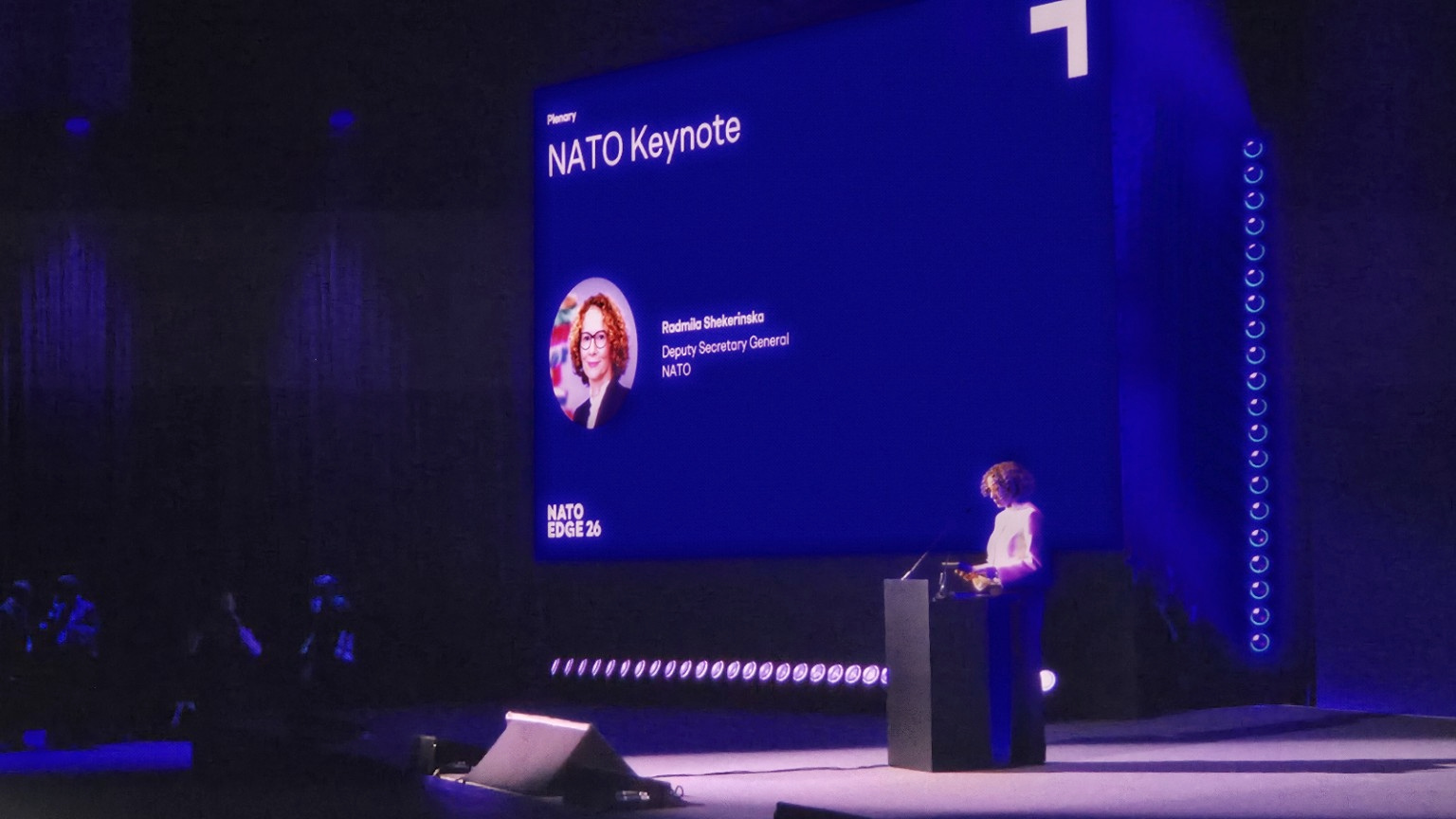
NATO must secure every step of its defence supply chain to stop adversaries planting hidden weaknesses in allied weapons, the Alliance’s Deputy Secretary General has warned, as she set out how completely modern military equipment now depends on software.
Delivering the keynote at NATO Edge 26 in İzmir, Radmila Shekerinska said malicious cyber actors continued to pose a threat to allies, and were a reminder of the urgency of strengthening cyber defences, “which is exactly what we are doing”.
NATO is working with allied governments, technology companies, defence firms and other partners to understand the threats and strengthen its networks, she said. It hosts cyber defence exercises to test its systems, trial new technologies and train responders, and invests in research and innovation to keep growing its capabilities and stay ahead of its adversaries.
That work, she said, did more than protect the cyber domain. It strengthened NATO’s security in every other domain as well, because cyber attacks were dangerous on several levels at once. They can harm civilians. They can disrupt the civilian infrastructure on which militaries depend. And, increasingly, they can strike at military capability directly, because that capability is now “fully cyber-enabled”.
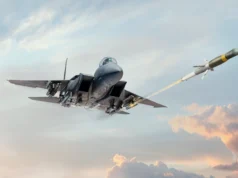
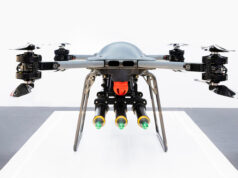
“Just think about it: every fighter jet, every ship, every tank, every drone and missile system, every satellite has a built-in computer,” she said. “We live in a digital world, so this is understandable.”
Strength and vulnerability
Shekerinska was clear that this digital shift had made NATO forces stronger and more resilient. Connected systems fuse data from hundreds of sensors across domains and give commanders a clearer view of what is happening on the ground at all times. They allow more precise targeting and quicker responses to incoming threats, and make it easier for allies to work together through seamlessly integrated and interoperable systems. “So this is the advantage,” she said.
But the same connectivity created vulnerabilities, and NATO was fully aware of them. The first came from cyber attacks that try to disable key systems “using digital battering rams”. The second, and harder to spot, came from long-term cyber operations that try to embed hidden weaknesses in critical technologies before they are ever used.
“That’s why cyber resilience is not just about building stronger walls,” she said. “It is about making sure that nobody gets behind these walls as they’re built and builds themselves a secret backdoor that they can use either in conflict or where it suits them.” The answer, she said, was to secure every step in the defence industrial supply chain, so that allied forces are equipped with cutting-edge technologies that work when they are absolutely needed, in crisis and in war.
She said AI would shape this contest on both sides. It can be used by adversaries to find and exploit vulnerabilities in allied systems, but allies can also use it to identify those vulnerabilities earlier, fix them themselves and reinforce their digital security.
A theme across NATO Edge
Supply chain security ran through the opening day of the conference. Dr Dylan Browne, General Manager of the NATO Communications and Information Agency, told industry that security had to be “built in and not added on”, at every layer and every classification, as NATO moves more of its data into the cloud and out to the cockpit, the ship and the submarine.
The day before, British firm RevEng.AI, backed by the NATO Innovation Fund, told journalists its AI models could analyse compiled software to spot hidden backdoors and kill switches in military systems without access to the source code. OpenAI also announced on Tuesday that NATO had been using its cyber security models to help protect allied networks.
Shekerinska said none of this could be delivered by NATO alone. “This is not a job that we can do and deliver on alone,” she said, calling for governments and industry to work together to understand the threats and develop technologies that are resilient against them.