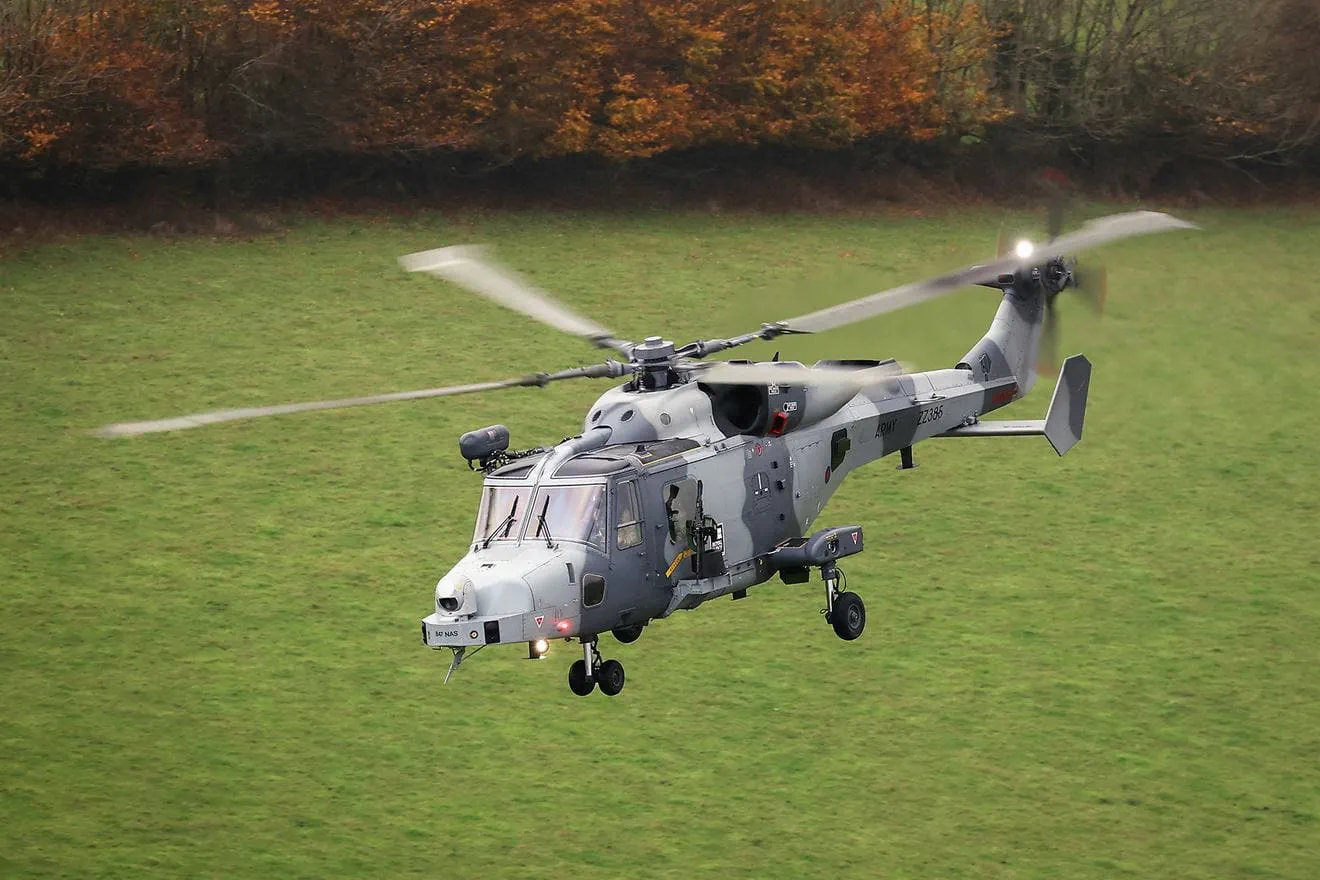
Artificial intelligence is helping Royal Navy engineers sift through large volumes of Wildcat and Merlin health data to spot abnormal behaviour that may emerge before conventional threshold alerts are generated, according to the Royal Navy.
The Aircraft Data Analysis and Readiness Tool, or ADART, is being developed with 1710 Naval Air Squadron, the Portsmouth-based specialist unit responsible for monitoring helicopter health. Designed by Tonic Analytics and modified alongside the squadron, it combines artificial intelligence, machine learning and engineering analytics to identify unusual behaviour and emerging trends in Health and Usage Monitoring System data.
The Royal Navy said the aim is not for AI to make maintenance decisions. ADART acts as a decision-support tool that draws engineers’ attention to aircraft, systems or components that warrant a closer look, so specialists can concentrate on potentially significant trends instead of manually examining large quantities of aircraft health information.
CPO Shane Wild, Wildcat Vibration Analyst at 1710 NAS, said: “ADART demonstrates how Artificial Intelligence can be used to support aircraft engineering by helping us identify developing trends and anomalies within large volumes of HUMS data.
“It provides our engineers with an additional source of evidence when assessing aircraft health, supporting earlier awareness of potential issues and enabling more informed maintenance decision-making.”
Development stretches back to initial contract approval in October 2022 and road-mapping in March 2023. The squadron then tested and developed the system with Tonic Analytics, and major software changes followed in mid-2025 to tailor it to engineering requirements. This year, ADART has been live within 1710 NAS and rolled out to the Wildcat Vibration Control Cell at RNAS Yeovilton for further feedback, and another significant update is scheduled.
The Royal Navy said the potential of anomaly detection had already been shown retrospectively. During an investigation into a historical Wildcat event, abnormal behaviour was identifiable in aircraft data before a significant recorded event, and later analysis showed anomaly indicators had been present beforehand.
ADART does not diagnose faults or prescribe maintenance action, and qualified personnel continue to make decisions through approved maintenance and technical processes. Future plans include prescriptive alerting to help identify cabling and accelerometer faults, full integration of Merlin aircraft data and reduced data latency so the tool can run closer to real time alongside established HUMS analysis.
1710 NAS has a long record of engineering innovation, and its work has previously boosted safety and helicopter availability. The Ministry of Defence is also lining up a major contract to extend the life of the Merlin fleet under its Out of Service Date Extension Programme.
Ministers said this week that the department uses the AI model most appropriate to each use case, accounting for security and sovereignty requirements,.