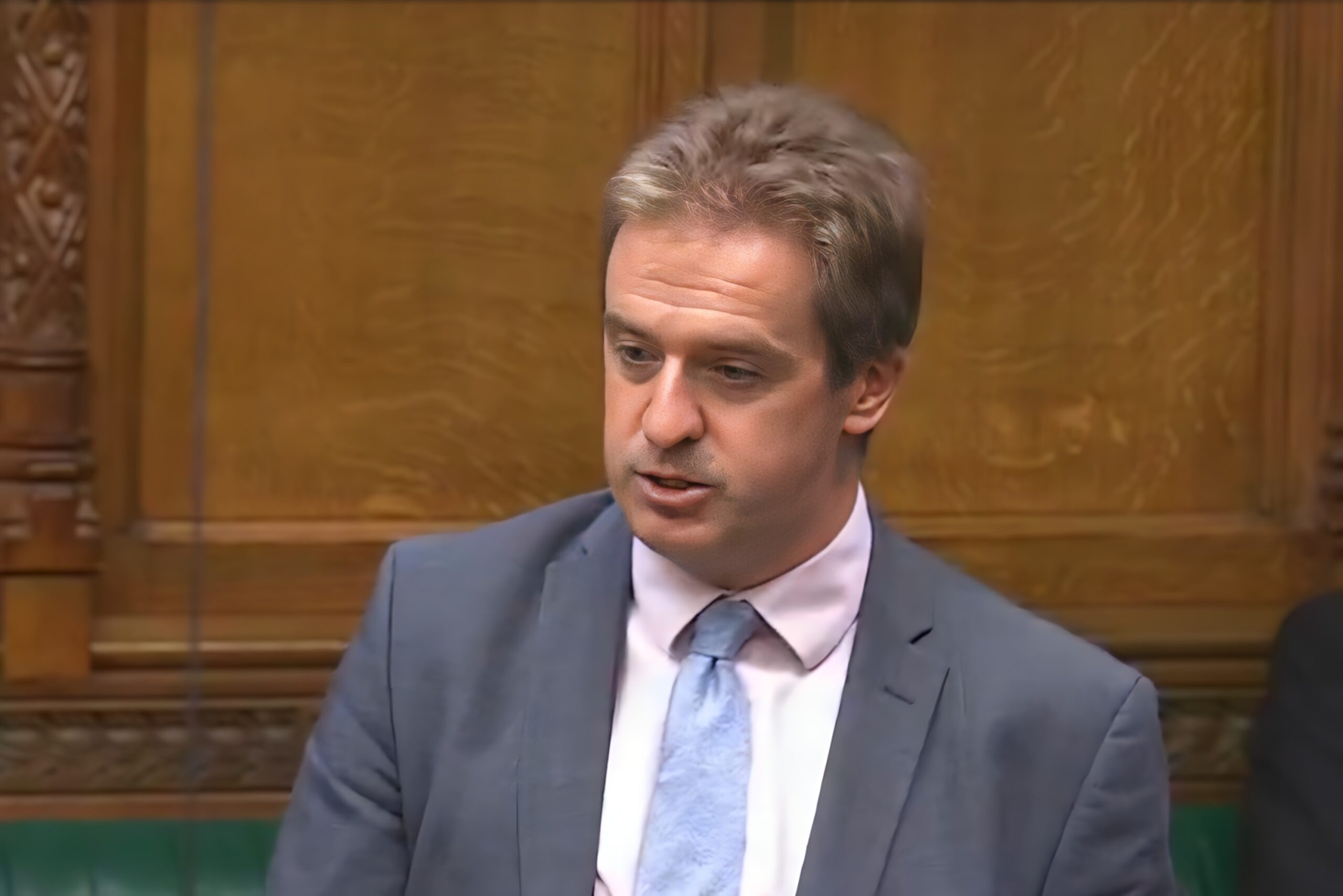
Graeme Downie, Labour MP for Dunfermline and Dollar, used a St Andrew’s Day debate in the Commons to argue that Scotland’s long-term economic strength and social mobility are now inseparable from its defence industrial base and the skills required to sustain it.
In a broad speech reflecting on Scotland’s past, present and future, Downie said that national self-image often overlooks the country’s wider contributions, including engineering, manufacturing and global industry.
He pointed to figures from his own constituency, including St Margaret and Andrew Carnegie, as examples of service, technical ambition and community investment.
Discussing Scotland’s heritage, he said his remarks would not centre on the usual romanticised canon, noting that his speech “does not mention either of the key figures in Scottish history that she mentions, but does, however, mention many others.” He argued Scotland must recognise both achievement and the more difficult parts of its history if it wants an honest account of how earlier generations built opportunity.
Downie used Dunfermline to illustrate the link between civic values and national capability, calling St Margaret’s Cave a reminder that “the spiritual heart of our country rests not in institutions, but in the everyday acts of care for neighbour and stranger.” On Carnegie, he noted that “libraries, learning and practical skills were not luxuries… they were the engines of mobility and civic confidence.”
Shifting to present-day conditions, he warned that younger Scots face reduced security in jobs, housing and income. He told MPs that “for the first time since World War Two, our children’s generation is projected to be poorer than their parents,” and argued that economic shocks from the financial crisis to the pandemic have shaped a more precarious path into adulthood.
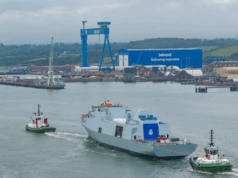
Downie linked these challenges directly to defence, arguing that instability driven by Russia, China and Iran is shaping the workforce needs of the future. “Scotland’s defence footprint is both strategic and local,” he said, listing shipbuilding, aerospace, cyber, logistics and advanced manufacturing as sectors that provide skilled employment and technological momentum. “We should celebrate the engineers and the fabricators, logisticians and technologists, the world class workers whose labours keep our nation safe and advance our industrial capability.”
He also connected defence skills to wider energy and industrial policy, arguing that Scotland must avoid repeating historic patterns where raw resource is exported and higher value disappears overseas. Training pipelines, he said, must allow workers to move between defence, energy and other advanced sectors throughout their careers.
Downie called for a system that allows older workers to retrain without stigma and younger workers to access stable, well-paid roles. “We must build a settlement where older generations can contribute their wisdom… and where younger generations find and build dignity through quality careers,” he said.
He closed by positioning community institutions as the foundation of resilience, saying that places such as workshops, libraries, colleges and veterans’ retraining programmes must remain central. “The quiet networks of trust are the strongest parts of our infrastructure,” he said, adding that a fair and secure Scotland depends on renewing opportunity across both defence and civilian sectors.