The Netherlands has launched a naval counter-drone programme using the Destinus Hornet B2 kinetic interceptor, with systems due to be integrated aboard several Royal Netherlands Navy warships.
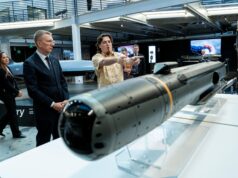
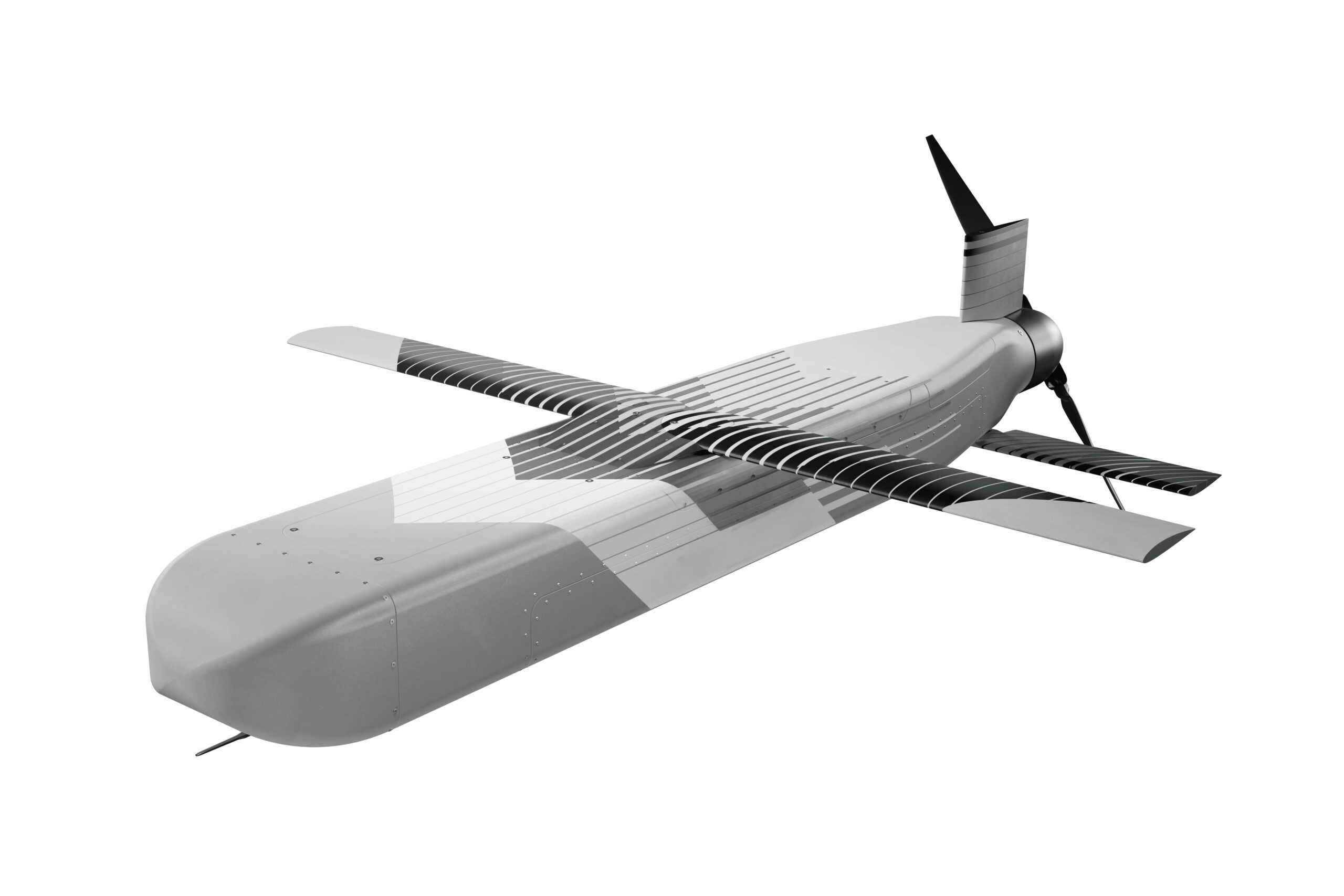
The Netherlands Ministry of Defence has contracted Destinus to develop and evaluate a shipborne capability for physically intercepting hostile drones, based on the company’s Hornet B2 counter-UAS system, according to the company.
The agreement has been placed by the Ministry’s Materiel and IT Command, known as COMMIT, and establishes a Concept Development & Evaluation programme for the Royal Netherlands Navy. The work will include delivery of Hornet B2 interceptor systems, their integration with several Dutch warships and Integrated Logistics Support activity intended to examine a route towards a possible initial operating capability.
The programme is scheduled to run until the second quarter of 2027. Rather than representing a straightforward fleet-wide procurement at this stage, the work is intended to establish how a kinetic counter-uncrewed aerial system can be incorporated into naval operations, supported aboard ships and potentially developed into an operational capability.
Counter-UAS systems are intended to detect and defeat uncrewed aircraft, an increasingly prominent threat to warships as comparatively inexpensive drones are used for reconnaissance, targeting and attack. A kinetic interceptor differs from electronic warfare approaches that attempt to jam or disrupt a drone’s communications or navigation. Instead, the objective is to physically engage the incoming aircraft. The information provided on the Dutch programme does not detail the Hornet B2’s method of interception or its performance characteristics.
Integrating the system with several warships will allow the Royal Netherlands Navy and Destinus to examine more than the interceptor itself. Shipboard counter-drone operations have to be incorporated into existing sensors, command arrangements, deck procedures and safety requirements, while sufficient interceptors, spares and technical support must be available if the capability is to be sustained at sea. The inclusion of Integrated Logistics Support in the programme indicates that those supporting requirements will be assessed alongside the equipment.
The choice of a Concept Development & Evaluation programme also gives the Netherlands an opportunity to refine how a dedicated counter-UAS interceptor would fit alongside existing naval air-defence systems. Modern warships can already carry guns, missiles and electronic warfare equipment capable of contributing to defence against aerial threats, but the rapid proliferation of small and relatively low-cost drones has driven demand for additional ways of dealing with them without relying exclusively on larger conventional surface-to-air missiles.
COMMIT is responsible for major elements of Dutch defence materiel, information technology and procurement, while Destinus is expected to supply the interceptor systems and support the integration and evaluation work. The planned completion date in the second quarter of 2027 gives the programme a relatively short period in which to move from delivery and integration through evaluation of a potential initial operating capability.