

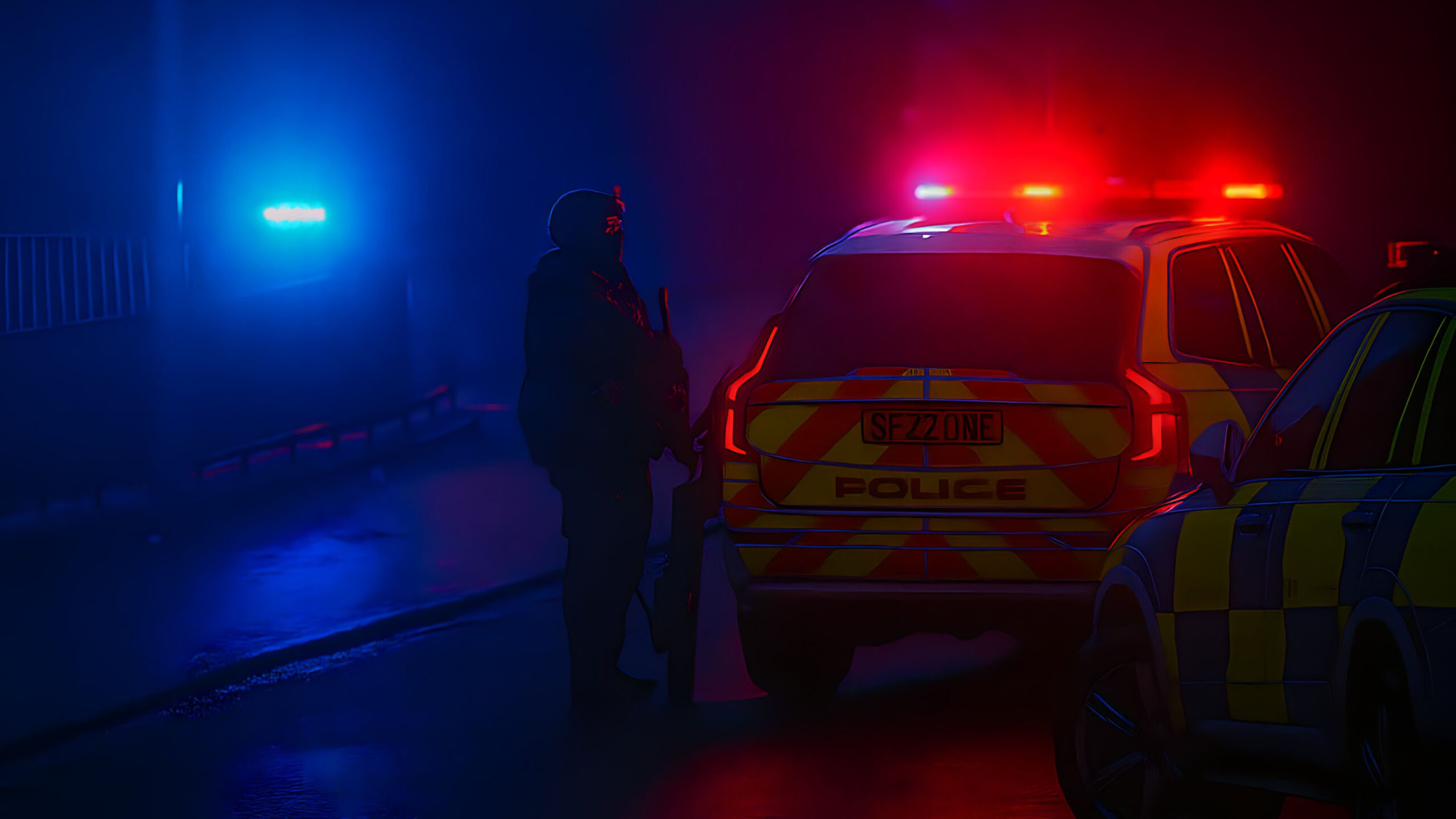
An investigative journalist in Northern Ireland has filed a High Court claim against the Police Service of Northern Ireland, alleging that the force unlawfully obtained their communications in order to identify confidential sources, according to the National Union of Journalists.
The journalist, who reports on serious crime and paramilitary activity, has been granted anonymity and can be identified only as YZL. The claim seeks compensation for misuse of private information, harassment and breaches of the Data Protection Act.
Computer Weekly, which reported the case last month, has set out that the applications for the journalist’s communications data were made by the PSNI in 2014, that the anonymity order was granted on 18 September and that a further hearing is listed for November. The journalist is represented by the solicitor Olivia O’Kane.
Laura Davison, the NUJ general secretary, said: “Allegations that the PSNI attempted to uncover another journalist’s sources are deeply worrying. Journalists have a right to protect their sources and to report without fear or state interference.
“This is not an isolated incident. In recent years the NUJ has supported journalists Barry McCaffrey, Trevor Birney, and Vincent Kearney in exposing unlawful surveillance through the Investigatory Powers Tribunal. In a landmark judgment in July, the Tribunal ordered PSNI and MI5 to pay £10,000 each in damages for breaching Kearney’s right to source protection, which subjected him to considerable risk as a journalist working in a post-conflict society.
“The new Northern Ireland Secretary and the Chief Constable have an opportunity to restore public trust. The NUJ will be monitoring this case and continuing to call for a judge-led inquiry that is broader in scope into unlawful surveillance against journalists, lawyers and human rights defenders in Northern Ireland by police and security forces.”
The claim arrives after a run of findings against the force. An independent review by Angus McCullough KC, published last year, identified 21 cases involving eight journalists in which the PSNI had attempted to identify confidential sources, and concluded that the force’s Code of Practice between 2007 and 2015 had failed to consider whether the authorisations were justified by an “overriding public interest” and that they “must be considered unlawful”. Jon Boutcher, the chief constable, accepted the findings in writing.
Birney and McCaffrey, who made the documentary No Stone Unturned about the 1994 Loughinisland killings, were arrested in 2018 and later succeeded at the Investigatory Powers Tribunal in establishing that they had been unlawfully surveilled. Kearney, now Northern editor at RTÉ and previously the BBC’s home affairs correspondent in Belfast, was awarded a total of £20,000 in July, split evenly between the police and the Security Service, over the obtaining of his phone records.
The NUJ has welcomed the McCullough review while arguing that its terms were drawn too narrowly, and the union wants a public inquiry covering not only the PSNI but other police forces and MI5. Source protection has been a live issue in Northern Ireland for a considerable time, where reporting on paramilitary organisations and on the conduct of the security forces during and after the Troubles has often depended on people who would be at real risk if identified.






Just saying but it could be helpful in they used their investigating powers to uncover the Omagh bombers etc👍
They’re on the wrong side mate. 👍
“Journalists have a right to protect their sources and to report without fear or state interference”. No they have a right to protect their sources, and the state has a duty to interfere where necessary. That duty to interfere is limited by law, and must, according to common justice, be proportionate. If the organs of the state overstepped, as it seems here they did, they should be dealt with accordingly under the law. Not just a private slap on the wrist or a desultory fine for getting caught. PSNI annual budget is around 1 billion quid; a £10K fine here and a £20K fine there is a slap on the wrist. If consequences had been substantive, there wouldn’t have been a long string of offences. Abuse of power is in nobody’s best interest.
Whilst the law does need to maintain some form of control it is perhaps necessary for everyone, including journalists, to behave responsibly and proportionally when dealing with these matters. The mere fact that lawyers are involved benefits nobody. There are far too many enquiries (public or otherwise) and too little use of common sense. Constantly exposing the truth does not necessarily help either when perhaps everyone needs to move on.