MPs have voted to restore plans to merge Britain’s 13 reserve forces and cadets associations into a single non-departmental public body, overturning a Lords defeat and adding government amendments to strengthen regional representation, according to proceedings in the Commons.
The Commons rejected Lords amendments 11 and 25 by 296 votes to 171 on Tuesday evening and inserted government amendments (a) to (r), which set out regional councils with chairs, presidents drawn from lords lieutenant where available, representative members drawn from regional chairs and a new national council.
Louise Sandher-Jones, Minister for the Armed Forces, said: “The findings of the National Audit Office and the Public Accounts Committee reinforce the case for establishing a single NDPB. Those successive independent reviews reached a consistent conclusion: the current structure does not provide the level of accountability, governance or financial assurance expected of a modern public body responsible for significant public expenditure. However, the Government very much recognise that the current RFCAs remain essential to Defence’s relationship with reservists, cadets, employers and local communities. That is why there must be the requirement that the RFCA establishes regional councils to maintain those connections.”
She added: “In conclusion, the choice is not between reform and tradition. The Government’s approach delivers both by preserving the regional connections, civic leadership and volunteer contributions that have been central to the RFCAs’ success, while introducing the accountability, transparency and assurance that are necessary for the future. I therefore urge the House to support the Government motion.”
Shadow minister Mark Francois said: “We Conservative Members remain concerned about the Government’s proposal to abolish the 13 RFCAs and the associated reserve forces and cadets associations, and replace them with a single quango. We fear that this arrangement will lack local knowledge and accountability, compared with the existing arrangements.”
Labour MP Lauren Edwards raised concerns from reserves and cadets in Medway that the amendments allow “no more than six representative members” without setting a minimum, and Independent MP Carla Lockhart asked whether Northern Ireland would be guaranteed a seat on the governing body. Sandher-Jones said the bill provides for regional chairs to be represented on the national council.
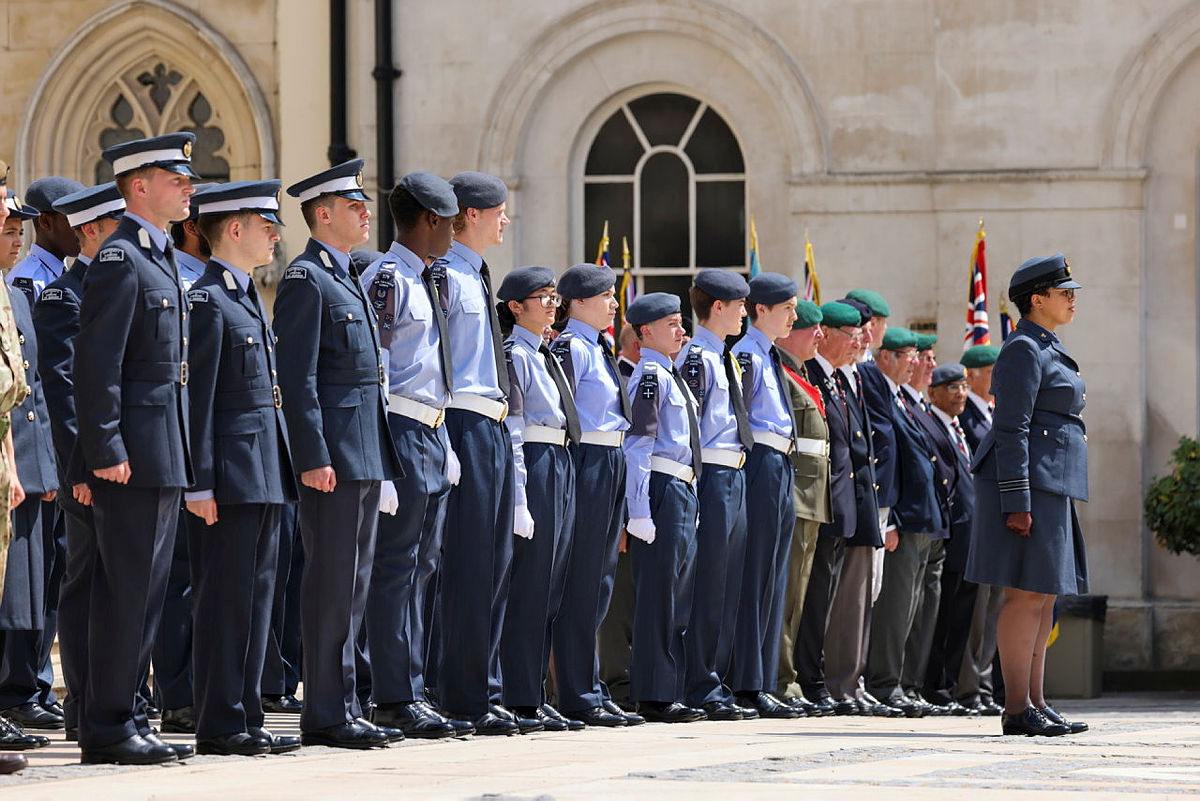
Labour MP Alan Strickland told MPs the associations receive more than £145 million of public money a year to support around 30,000 reservists, 138,000 cadets and more than 28,000 adult cadet leaders, under governance arrangements dating back to 1908. Labour MP Jayne Kirkham asked whether the government had considered the Select Committee’s recommendation that the National Audit Office review the new body two years after it is set up, and the minister said the changes would be kept under review.
The government plans a 30% increase in cadet numbers, a target originally set for 2030 that has been pushed back to 2035, and the bill extends recall liability for former personnel to age 65, as we reported in July.