

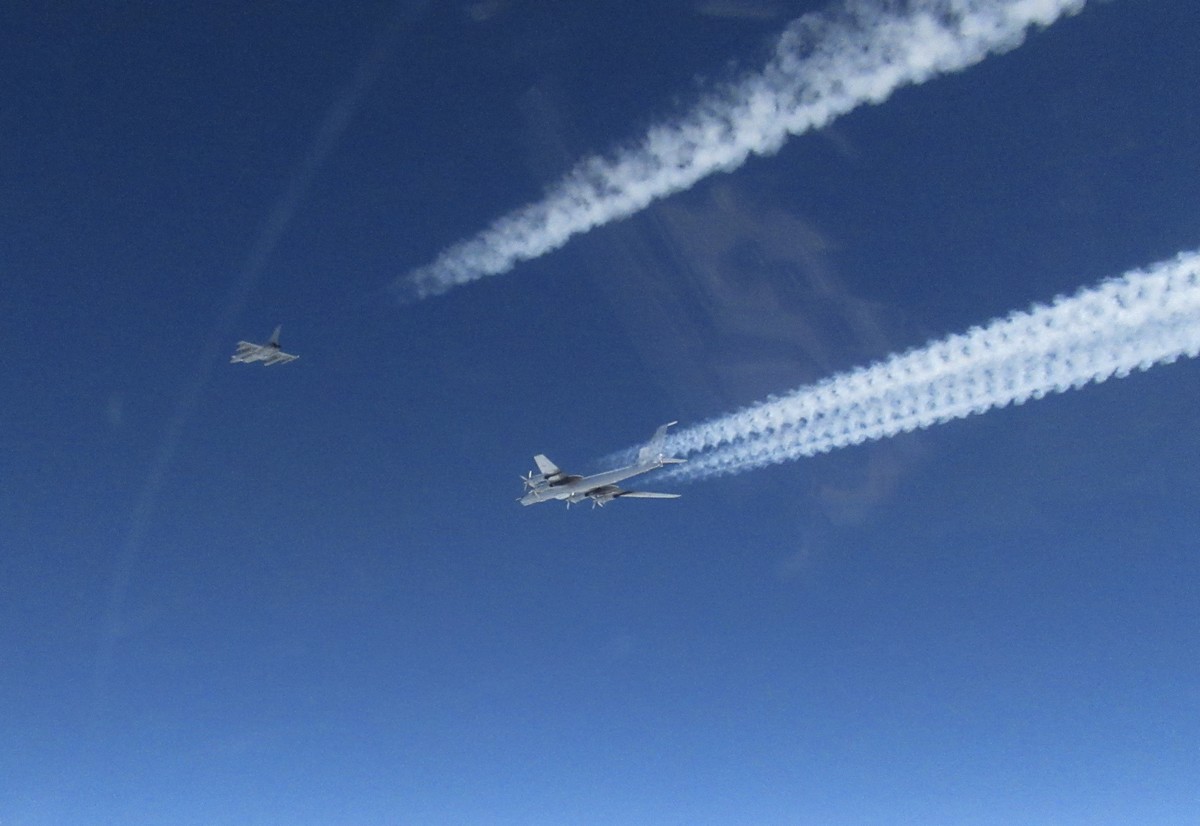
NATO air forces carried out more than 500 scrambles during 2025 as part of the Alliance air policing mission, according to figures released by Allied Air Command.
In a statement published this week, NATO said Allied Air Forces executed over 500 intercepts in response to aircraft operating close to NATO airspace, underlining the continuous nature of the mission, which operates 24 hours a day throughout the year. The Alliance described air policing as a core element of NATO’s Integrated Air and Missile Defence framework, enabling rapid identification and response to aircraft approaching or operating near Allied airspace.
Recent activity has included intercepts across both the eastern flank and the High North. Over the past week, Spanish Air Force aircraft deployed to Lithuania under NATO’s Baltic Air Policing mission responded to Russian aircraft operating close to NATO airspace. Separately, Swedish and Finnish fighter aircraft scrambled under national authority, while Italian Eurofighters were launched under NATO authority in response to similar activity in the region. NATO said these events demonstrated close coordination between Allies operating under both national and NATO command arrangements.
According to Allied Air Command, NATO’s air policing posture remains continuous, with fighter detachments stationed at key locations across Europe maintaining readiness to launch within minutes. At Ämari Air Base in Estonia, Italian Eurofighter detachments continue to support Baltic Air Policing operations. In Lithuania, NATO aircraft operate from Šiauliai Air Base, where Spanish F-18 Hornets are currently deployed.
NATO said air policing extends beyond the Baltic region, with additional detachments operating from bases in Poland and Romania. These locations maintain aircraft on standby to respond to potential airspace concerns along the Alliance’s eastern boundary.
Under the command of NATO Allied Air Command, the air policing mission is described as an “unbroken 24/7/365 operation”, intended to provide deterrence, reassurance and rapid response capability.
The Alliance added that recent missions reflect enhanced interoperability between Allied nations, including coordination through Combined Air Operations Centres, which oversee the detection, tracking and tasking of aircraft across NATO airspace. NATO said these operations are intended to ensure the security of Allied airspace while maintaining situational awareness in areas experiencing increased aerial activity.







Flying boat definitely the coolest, hands down.