

Royal Navy tests seabed defence tech with AUKUS allies
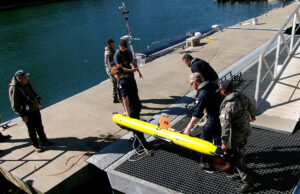
British, US and Australian forces ran uncrewed underwater systems across a six-week trial, Exercise Lanternfish, rehearsing how the three AUKUS nations would protect critical seabed infrastructure.
Ferguson Marine delivers Type 26 blocks to BAE on Clyde
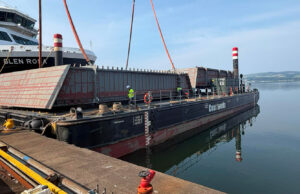
Port GLasgow shipyard Ferguson Marine has completed three structural units for the Type 26 Frigate frigate HMS Birmingham, with the sectiosn being moved by sea from Port Glasgow to BAE Systems' Govan yard up river.
Saab wins huge deal to fit out German frigates
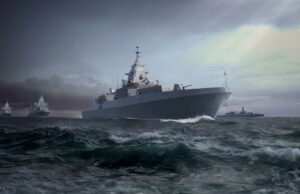
Saab has received an order to deliver and integrate combat systems, sensors and composite structures for four of the German Navy's new MEKO A-200 DEU class frigates.
D-Day commando name revived as CLR becomes 48 Commando
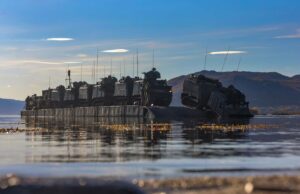
The Commando Logistic Regiment is to be renamed 48 Commando Support Group Royal Marines, reviving a wartime name that saw action on Juno Beach and at Walcheren.
Minehunting teams embark warships ahead of global tasks
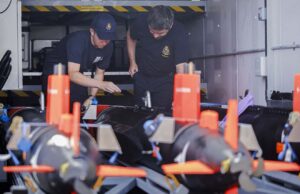
Royal Navy minehunting specialists have taken their uncrewed systems to sea aboard HMS Stirling Castle and RFA Lyme Bay, training for deployments including a potential mission in the Strait of Hormuz.
Sea Breeze brings allied EOD divers to Portland waters
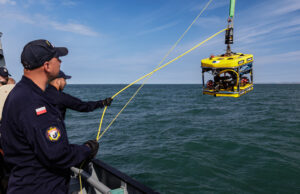
Explosive ordnance disposal units from NATO allies and partner nations have been training together beneath the waters of Weymouth Bay during the second portion of Sea Breeze.
NCA seizes 25 smuggling boats and engines at Felixstowe
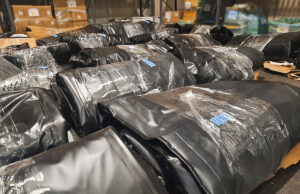
At least 25 inflatable boats and 25 outboard engines bound for Channel people-smuggling gangs have been seized at Felixstowe, in what the National Crime Agency believes is the first bulk consignment of its kind intercepted in the UK.
Carrier crew reflect on three months on the Northern Flank
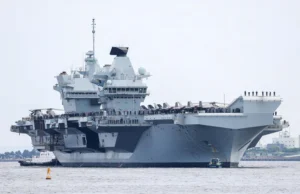
With HMS Prince of Wales home in Portsmouth, junior members of her ship's company have looked back on a three-month deployment that took in encounters with Russian aircraft, first deployments and long weeks away.
New building rises at Navantia’s Methil yard in Fife
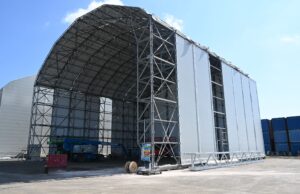
Construction of a new covered facility is under way at Methil as part of Navantia UK's £157m investment programme, with the Fife yard's workforce having grown to more than 260 as it takes on a major export order.
Fleet of NATO warships arrives on the Clyde
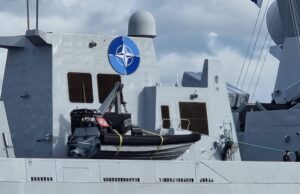
Warships from NATO's Standing Maritime Group One have arrived on the River Clyde in Glasgow.
Ukrainian fleet trains with NATO off English coast

Five Ukrainian minehunters donated by Britain, Belgium and the Netherlands have spent a fortnight off Portland learning to clear sea mines alongside NATO allies.
Carrier jets guarded Arctic skies against Russian aircraft
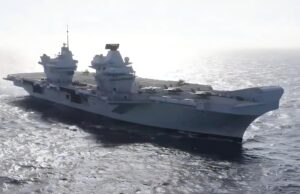
HMS Prince of Wales is back in Portsmouth after three months on NATO's Northern Flank, with F-35Bs reaching as far as Poland.
