

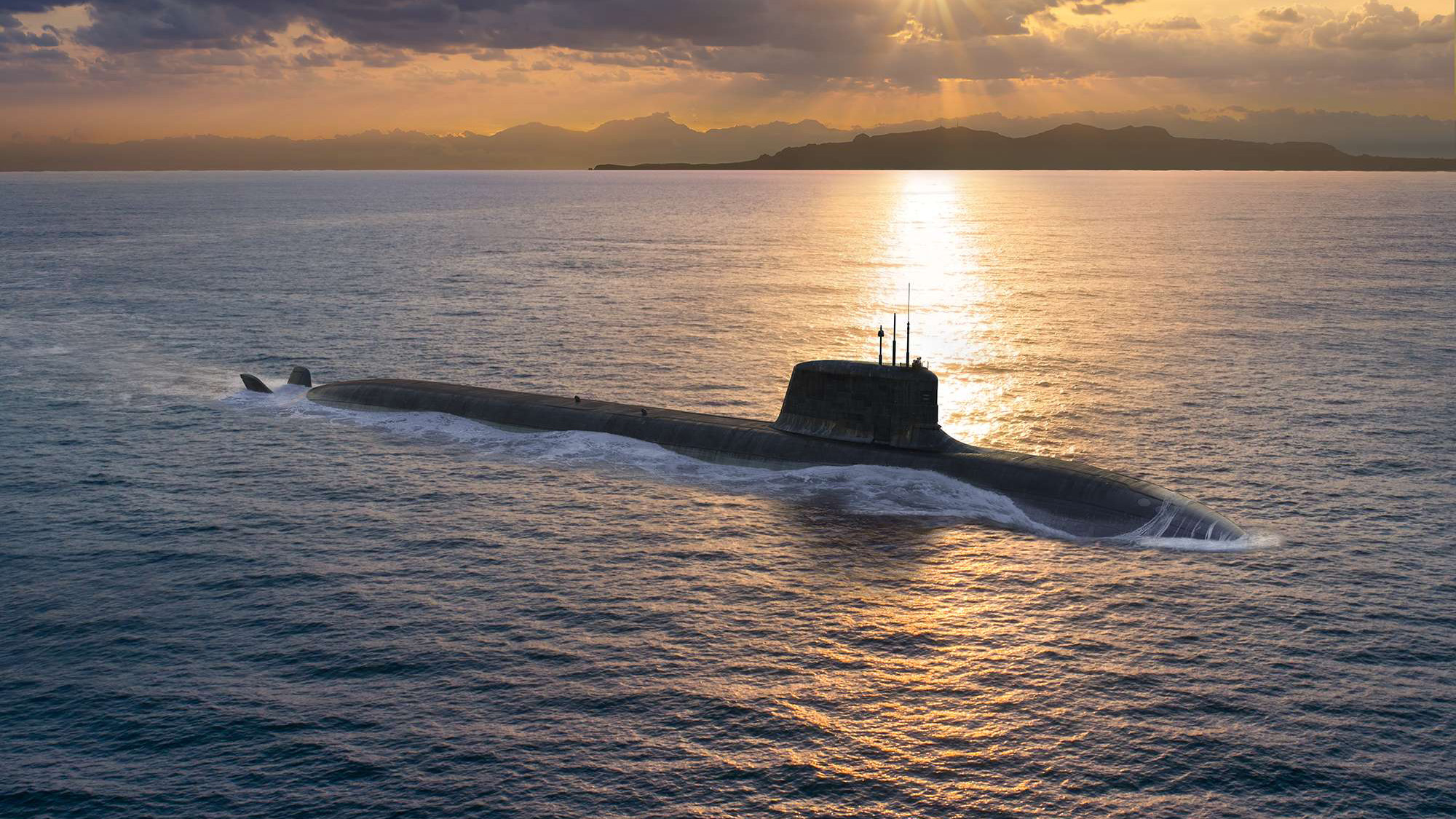
The UK nuclear enterprise is expected to absorb between 20 and 25 percent of the Ministry of Defence budget in the coming years, as spending rises across a growing portfolio of submarine, warhead, infrastructure and fuel programmes.
Giving evidence to the Public Accounts Committee, Permanent Secretary Jeremy Pocklington said defence nuclear spending totalled about £10.9 billion in 2024-25, equivalent to 18% of the department’s budget, and is expected to rise to around 20% in the current financial year.
He told MPs that the share would continue to grow, saying the Defence Nuclear Enterprise was on course to account for “between about 20% and 25% of the MOD’s overall budget.” That growth, he said, reflects both inflation and a broader expansion in the nuclear portfolio.
Pocklington said the increase was not being driven primarily by the core Dreadnought submarine build, which he said remains within the range previously set out to Parliament. “For Dreadnought, we are still within the range that the Department stated to Parliament,” he said, referring to the longstanding £31 billion programme cost plus £10 billion contingency.
Instead, he pointed to other pressures within the wider enterprise, including “scope changes related to AUKUS” and the re-establishment of a defence nuclear fuel capability, which he said had not featured in earlier forecasts in the same way.
He described the Defence Nuclear Enterprise as a large and increasingly complex portfolio, covering not only Dreadnought and Astute, but also warhead work, infrastructure at Barrow, naval bases at Clyde and Devonport, and fuel production. “There are nine programmes with a whole-life cost of over £10 billion in the Defence Nuclear Enterprise,” he said.
Pressed repeatedly for a 10-year forecast, a more specific Dreadnought in-service date, and an update on how much of the £10 billion contingency has been drawn down, Pocklington declined to provide further detail, saying much of that would have to wait for the delayed Defence Investment Plan.
On timing, he said there had been no change to the government’s position that the first Dreadnought boat would enter service in the “early 2030s,” but did not narrow that window further.
Committee chair Sir Geoffrey Clifton-Brown argued that the exact date mattered, given the pressure on the existing deterrent fleet and the implications for long submarine patrols and support arrangements if replacement boats arrive later in the decade.








‘General Inflation’ cant really contribute to a significant change in budget share. General inflation will affect most capex efforts. Issue is rising costs.
Also not sure as to why AUKUS should be driving long term increases in proportion of defence budget. Surely the benefits longer term of an aukus style collaboration should be cost mitigation relative to what it otherwise would have been…or why do it?