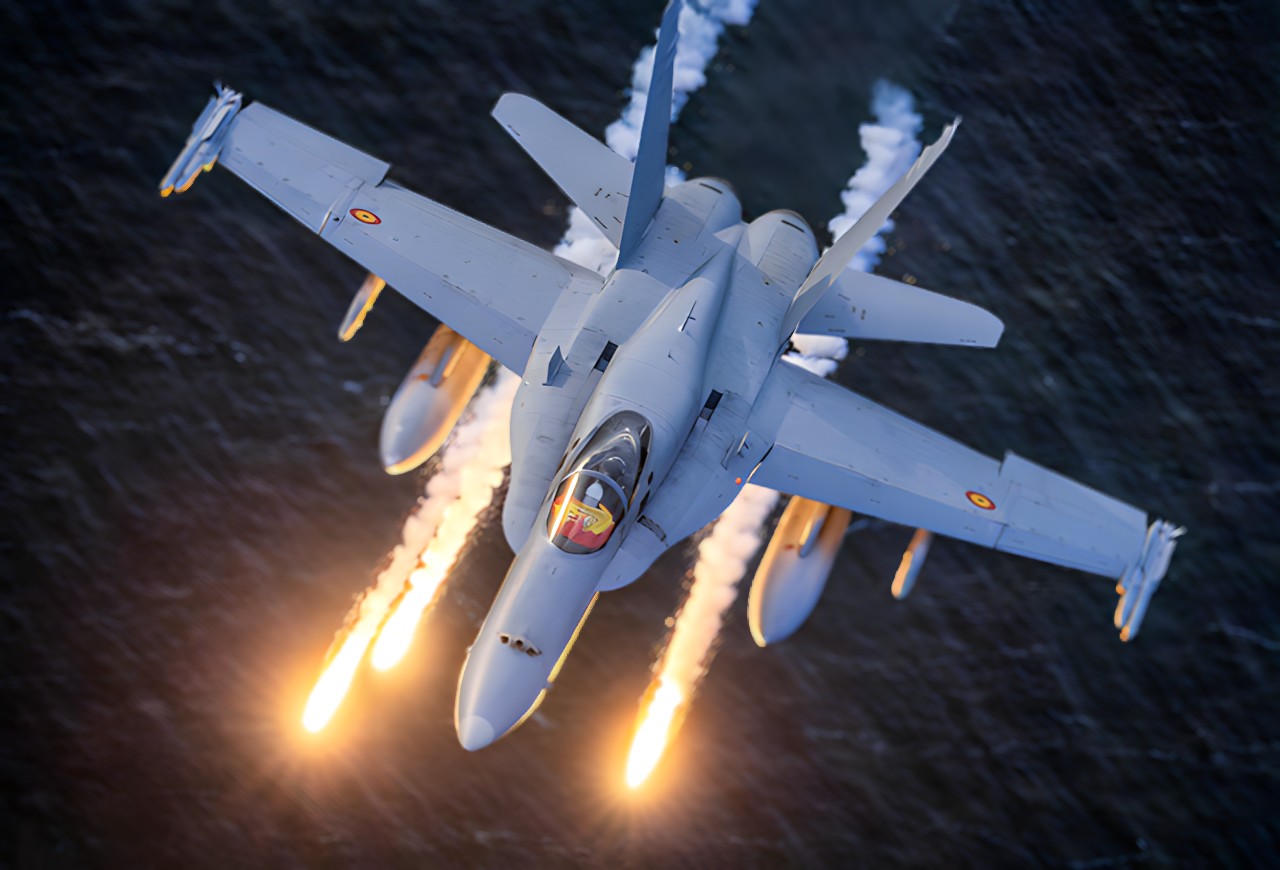
Spanish F-18 fighters have carried out 15 Alpha Scrambles during their first month on NATO Quick Reaction Alert duty in Romania, including one mission in which an unidentified drone was shot down after entering Romanian airspace, according to NATO Allied Air Command.
Spain’s “Paznic” Detachment has maintained a round-the-clock QRA posture from Mihail Kogălniceanu Air Base since 7 August, with aircraft and crews held ready to respond to unidentified or potentially threatening activity along NATO’s eastern flank. The tempo reached 15 Alpha Scrambles in the detachment’s first 30 days of operations.
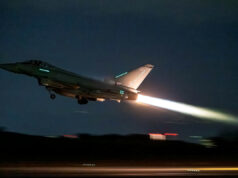
One of the most serious alerts came in the early hours of 16 August, when Spanish F-18s were launched after an unidentified track entered Romanian airspace. Working through NATO’s integrated command-and-control network, the fighters located and identified the target at night.
NATO said that after positive identification and authorisation to engage, and following an assessment of the potential risk to people on the ground, one of the aircraft neutralised the drone. The Spanish deployment is part of NATO’s continuous air defence mission in Romania and is intended to provide a rapid response to aircraft, drones and other aerial threats approaching Alliance airspace.
Spanish Lieutenant Colonel Alberto B. Calvo López, commander of the eAP-72 Spanish Detachment, said: “Effective deterrence requires real presence, responsiveness and interoperability.”
He added: “Thirty days on alert and 15 Alpha Scrambles show what readiness means in practice: trained people, aircraft and NATO command and control working together around the clock.”
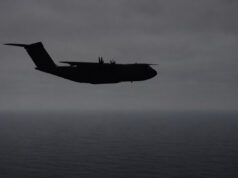
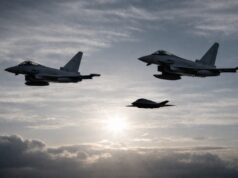
The detachment has also been conducting training missions alongside its operational QRA duties, including Flexible Deterrent Option sorties and work based around Agile Combat Employment principles. A Spanish A400M has been deployed to provide air-to-air refuelling support, extending the endurance and operating range of the F-18s and giving the detachment greater flexibility during both alerts and training missions.
Operational and training flying has taken the detachment beyond 200 flying hours since the deployment began. The mission also reflects NATO’s wider move away from an air-policing model focused primarily on identifying and intercepting aircraft towards a broader air-defence posture integrated with the Alliance’s Integrated Air and Missile Defence framework.
Under that approach, QRA fighters are connected more closely with NATO sensors, command-and-control systems and other air-defence assets, allowing them to respond as part of a wider network rather than as an isolated interceptor force. The Spanish aircraft are operating from Romania as NATO continues to maintain permanent air surveillance and rapidly deployable fighter forces across its eastern members, with the F-18 detachment providing one of the Alliance’s standing responses to unidentified activity in the region.