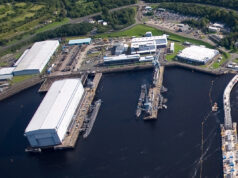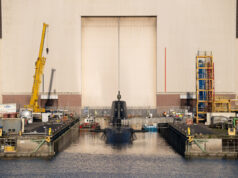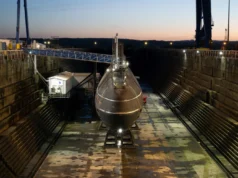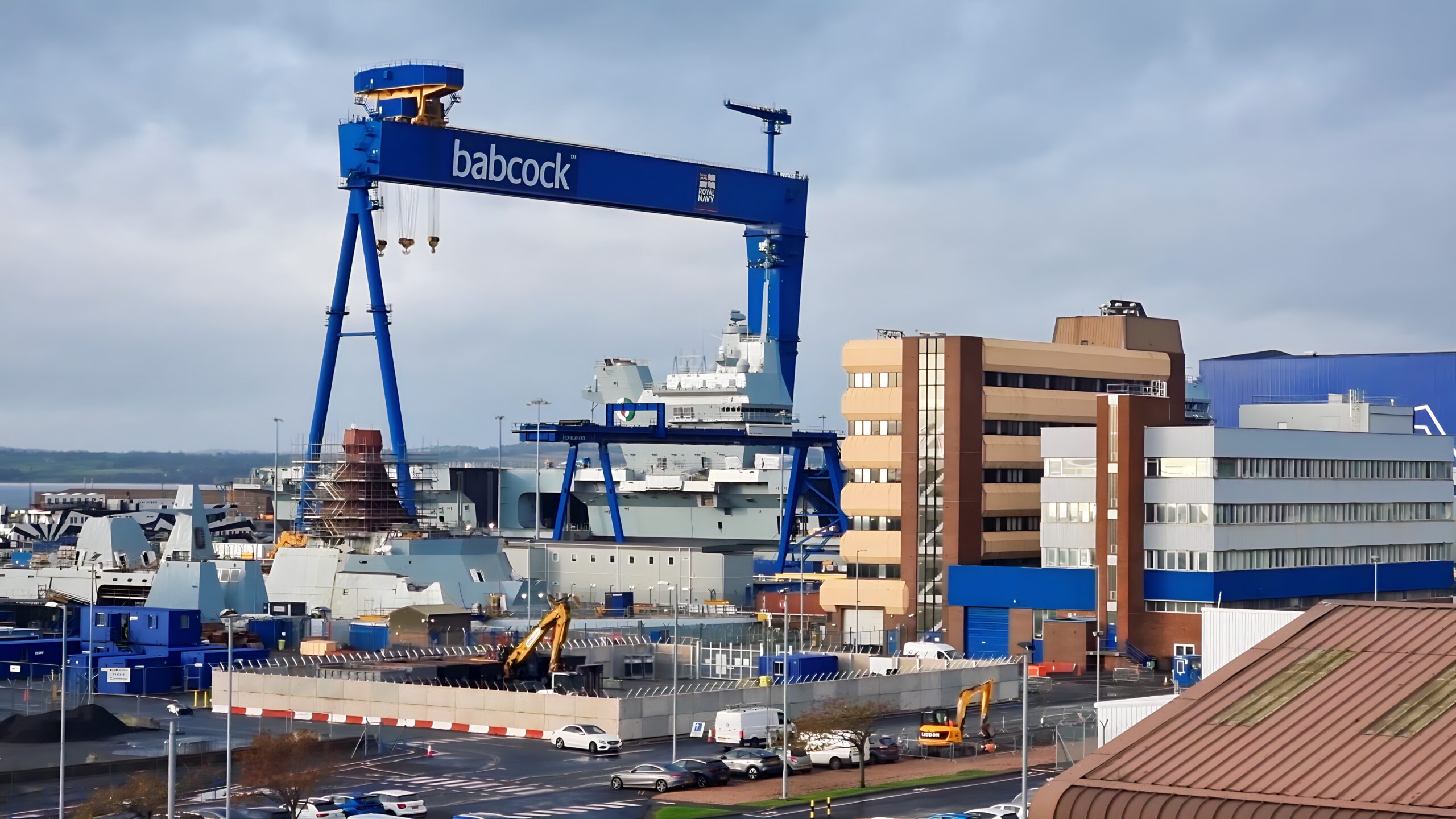
A written parliamentary answer has confirmed that early planning work for infrastructure upgrades at Rosyth Dockyard has begun.
The first phase of the programme has been approved and industry partners have started work on the scheme design.
The confirmation came in response to Bell Ribeiro-Addy MP, who asked the Ministry of Defence for the projected cost of the improvements and whether the work would require the removal of radioactively contaminated equipment.
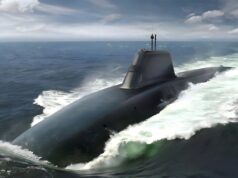
Minister of State Luke Pollard told Parliament that final project costs will be agreed once design work is complete. He added that the upgrade package includes “the requirement to deliver a contingent docking facility for HMS Dreadnought during its sea trials at Rosyth Dockyard.”
Pollard also said the work forms part of the Submarine Dismantling Project, through which Rosyth will be equipped to handle legacy waste from decommissioned nuclear-powered submarines. According to the minister, the improved facilities will “enable the removal and processing of all legacy radioactive waste, including radioactively contaminated equipment, from dismantled submarines.”
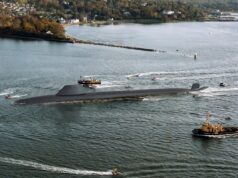
Activity at the site has already begun. HMS Swiftsure is currently being dismantled, with “a further six decommissioned nuclear-powered submarines awaiting disposal,” Pollard stated in the written response.
The upgrades at Rosyth come as the dismantling programme continues to place increasing pressure on the Defence Nuclear Enterprise. Rosyth is one of only two facilities capable of processing retired nuclear-powered submarines, with Devonport dockyard also undertaking refuelling, refit and disposal work. Capacity limits, regulatory constraints and the scale of the remaining dismantling backlog have previously been highlighted in parliamentary responses as part the rationale of looking at other sites.
The development of a contingency docking facility for the Dreadnought-class ballistic missile submarine adds a second operational requirement to the Rosyth project. The capability is planned to support the new class during early sea trials, complementing existing infrastructure at Barrow and Devonport.
The UK Defence Journal understands that the scheme-design phase now underway will determine the final scope and cost of the work before the MoD enters commercial negotiations with industry.