

Industry representatives have urged stronger public-sector support for Scotland’s aerospace and defence sector, warning that future skills and jobs depend on sustained government backing, according to evidence heard by the Scottish Affairs Committee.
Andrew Kinniburgh, Director-General of Make UK Defence, and Warrick Malcolm, Director at ADS Scotland, appeared before the committee on 20 January to discuss the long-term outlook for aerospace capability in Scotland. Their evidence focused on the importance of maintaining industrial capacity, protecting specialist skills and attracting inward investment.
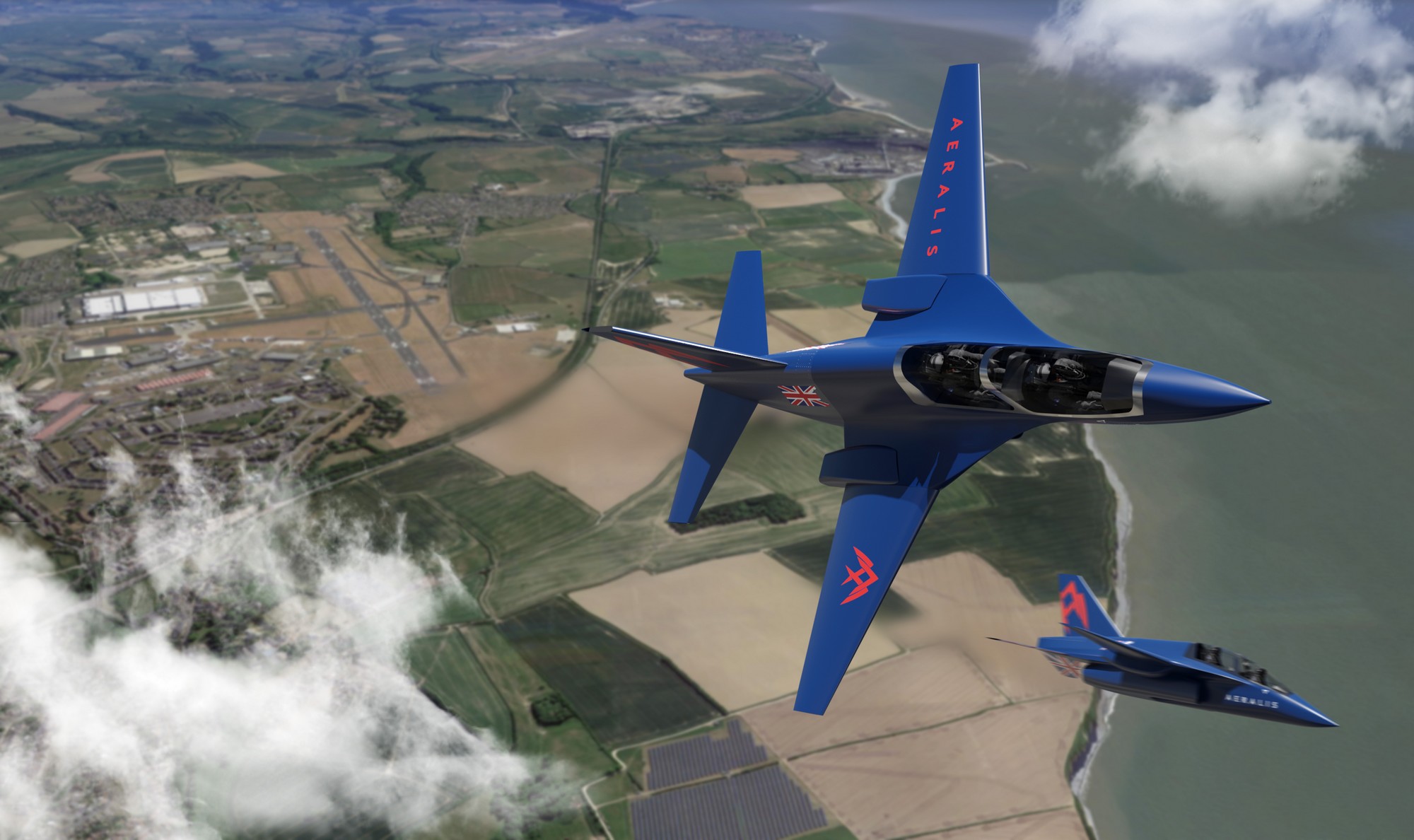
During the session, AERALIS was cited as a prominent example of the capability already present in Scotland. The company has selected Prestwick Airport as the proposed location for a UK final assembly line for its next-generation advanced trainer aircraft, a move described as carrying significant implications for employment and skills retention in the region.
Kinniburgh told MPs that AERALIS sees strong local support but said further action was needed at devolved level, stating that “they do feel welcome at the moment, by the Scottish Government and by the local MPs who have given incredible support to them, but we need to encourage the Scottish Government to make sure it is a welcome that they get.” He added that “Prestwick is a fantastic example of a highly skilled workforce who are already there and could be busier,” arguing that the project could help “create hundreds of new jobs at Prestwick.”
Evidence to the committee also highlighted the wider ecosystem around the proposed programme, including links with Ayrshire College and engagement across the local community. Kinniburgh said the model demonstrated how education and industry could be aligned, telling MPs: “It’s fantastic that the local college is so integrated with local business which is exactly what we need from an industrial perspective.” He added that the AERALIS programme could mark a significant milestone, noting that it would involve “design and build whole aircraft, not just for the first time in Scotland for many years, but the first time in the UK for about fifty years.”
Malcolm echoed the importance of the region’s existing industrial base, describing Ayrshire as “one of the jewels in the crown for our sector in Scotland.”








AERALIS is a scan looking for government funding. The last thing the UK needs is to get stuck into some bespoke jet trainer design costing billions. Just buy something cheap and off the shelf.
When will we learn, if you’re going to go to the expense and hassle of designing and building something make sure it’s worth it.
Aeralis need to branch out if they want to survive. They’re in a good position in this case because with less direct RAF influence (as in the F35-Typhoon case) the unions might win out and get them the contract but the RAF isn’t enough to sustain a manufacturing company off just jet trainers. Even in the export market, Finland line up with when they’d be finished with the RAF and there are a few middle eastern air forces who might buy British but they have a slim chance at best of winning even if they produce a viable aircraft.
But applying their same principles to UCAVs could be a better application than manned jets and would give them another chance to bid for contracts. The common fuselage thing is the same as what GA are doing for Gambit just a little more ambitious with the maintenance pools and upgrades. So a slightly bigger design with some internal bays on the core fuselage but with the flexibility to have a mixed fleet of e.g. long range strike, supersonic fighters could do nicely for us and for export, just Aeralis seem so focussed on this trainer contract they haven’t thought about broadening their appeal.
I think they’ve got a pilotless version in their Aeralis portfolio so maybe they could branch out into drones or seaborne versions of their aircraft? Big ask i know as they’ve nothing actually flying yet and there’s already many doing it.
The company need to shell out the money to produce a Demonstrator aircraft to physically show just what it can do – computer graphics and power-point presentations don’t cut the mustard (nor win contracts!)
Appreantly, they are flying a demostrator this year, but we still haven’t seen as in images or roll outs.
What, they have a demonstrator planned and they’re not shouting about it’s build? Odd.
Fact is that Aerialis is untested and brand new and the Trade Union backing means nothing, since there’s always lobbyists from other companies with deeper bank accounts, plus their hotel funding scandal…
For goodness sake – just get on with it. UK needs sovereign aircraft design and manufacture and training aircraft now. If Canada and Sweden can do it – why can’t the UK? MoD/UK Gov buy out the foreign investors.
…or go for the really basic/cheap and cheerful solution: clear out the old defunct factories in Luton and churn out a new glass-cockpit Gnat as a simple fast jet trainer and drone-hunter. Simples.
Because this is a powerpoint project with no real evidence it will work.
I have a new hat and a pinch of salt ready if this aircraft ever takes to the skies. In this day and age just how long can a company spin out promises without seeming to build anything at all?