Exercise Arctic Dolphin 26 is underway off the west coast of Norway, bringing together Norwegian and Allied naval forces for two weeks of anti-submarine warfare training in Arctic conditions, NATO stated.
Running from 2 to 13 February 2026, the exercise is being conducted in the Vestlandet region and includes training designed to improve anti-submarine warfare (ASW) capabilities while also certifying new submarine commanders in what NATO described as one of the Alliance’s most demanding maritime environments.
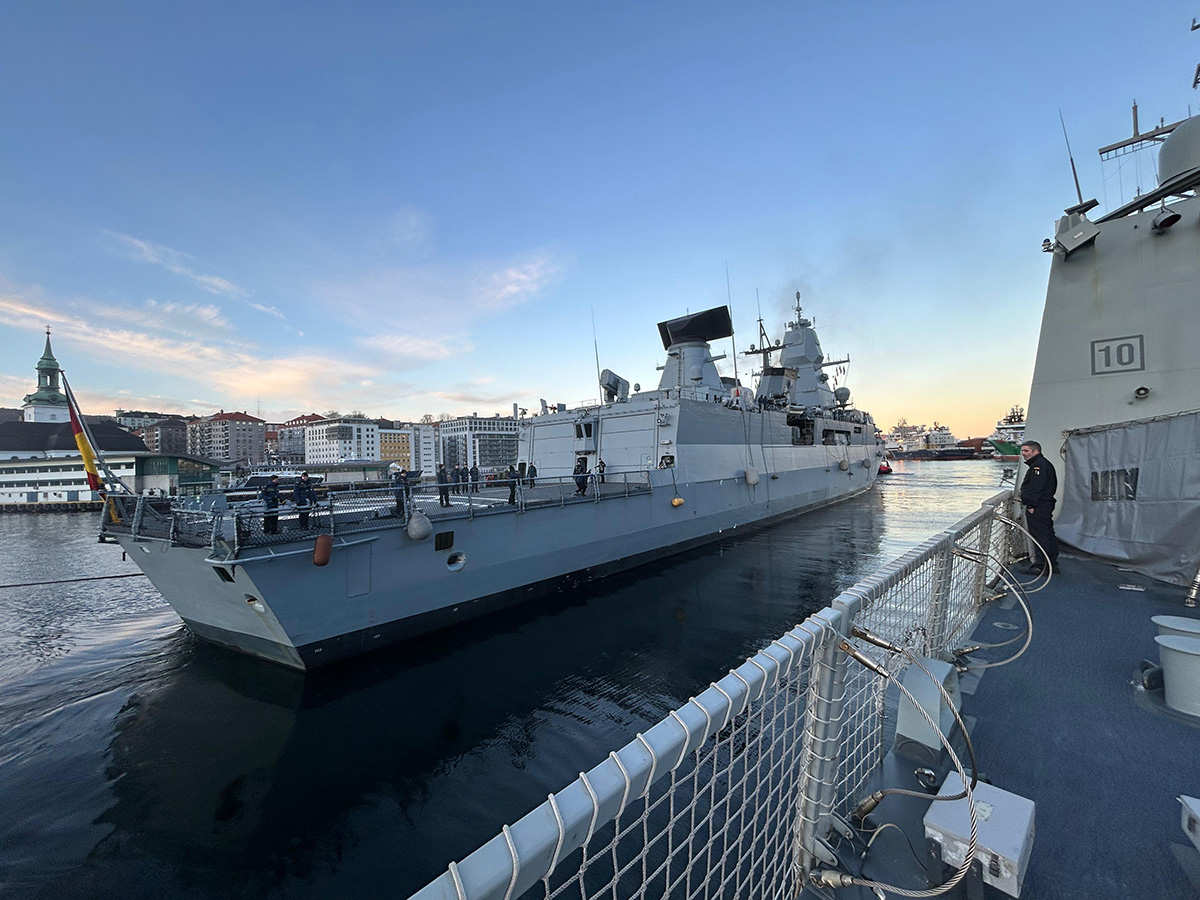
The exercise includes Norwegian forces alongside multiple Allied contributors, including Standing NATO Maritime Group One (SNMG1). NATO said the participation of the standing force highlights the Alliance’s continued focus on maintaining readiness and presence in the High North. Training is taking place across Bjørnafjorden, Sognesjøen and Sognefjorden in western Norway. NATO said several participating ships also conducted a port visit to Bergen ahead of the exercise.
Chief of the Norwegian Fleet Commodore Kyrre Haugen said the involvement of SNMG1 carried particular significance.
“The participation of NATO’s Standing NATO Maritime Group One (SNMG1) is particularly important, as it underscores the Alliance’s commitment to maintaining a credible and persistent presence in the High North,” he said. “It also provides valuable opportunities for combined training with multiple NATO Allies.”
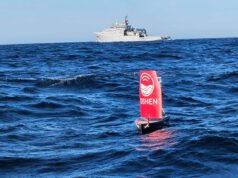
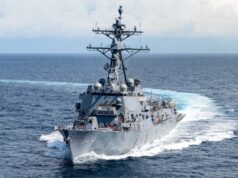
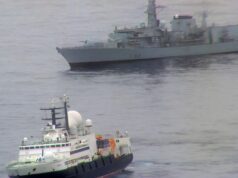
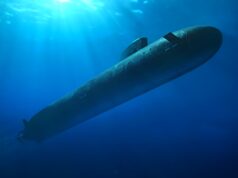
Norway is contributing the frigate KNM Thor Heyerdahl and an Ula-class submarine, while Allied participation includes a German submarine supported by French, German, Norwegian and Spanish frigates. NATO said aircraft and helicopters from Germany, Norway, Spain and the United Kingdom are also involved, including P-8 maritime patrol aircraft, alongside Danish Seahawk helicopters. NATO staff from Germany, the Netherlands, Norway, Poland, Spain and the United Kingdom are participating in the planning and execution of the exercise. Personnel from Canada and the United States are embarked aboard Norwegian submarines as students at Norway’s submarine school, NATO said, with the aim of exchanging tactics and gaining experience operating in Arctic waters.
Rear Admiral Joaquin Ruiz Escagedo of the Spanish Navy, commander of SNMG1, said the exercise provided a realistic environment to improve ASW performance.
“Arctic Dolphin provided an invaluable opportunity for NATO maritime forces to operate together at sea in a realistic and challenging maritime environment to hone our tactical skills in anti-submarine warfare,” he said. “We thank Norway for hosting this exercise and for their leadership and expertise in Arctic security. Our time spent at sea embodies NATO’s deterrence and defence mission and validates that we are indeed stronger together as Allies.”
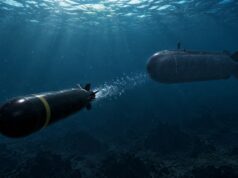
A major objective of the exercise is the certification of new submarine commanders, who will practice evasion while being hunted by Allied surface and air units. NATO said the training is intended to ensure commanders are prepared to operate safely and effectively in complex operating environments.
Captain Jim Robertsen, Head of the Norwegian Submarine Service, said Arctic Dolphin provides essential experience for crews and future commanders.
“Arctic Dolphin provides high-end, realistic training for both submarine crews and future commanding officers,” he said. “Conducting submarine operations together with key Allies is essential both for certifying commanders and for strengthening interoperability and Allied cooperation.”