

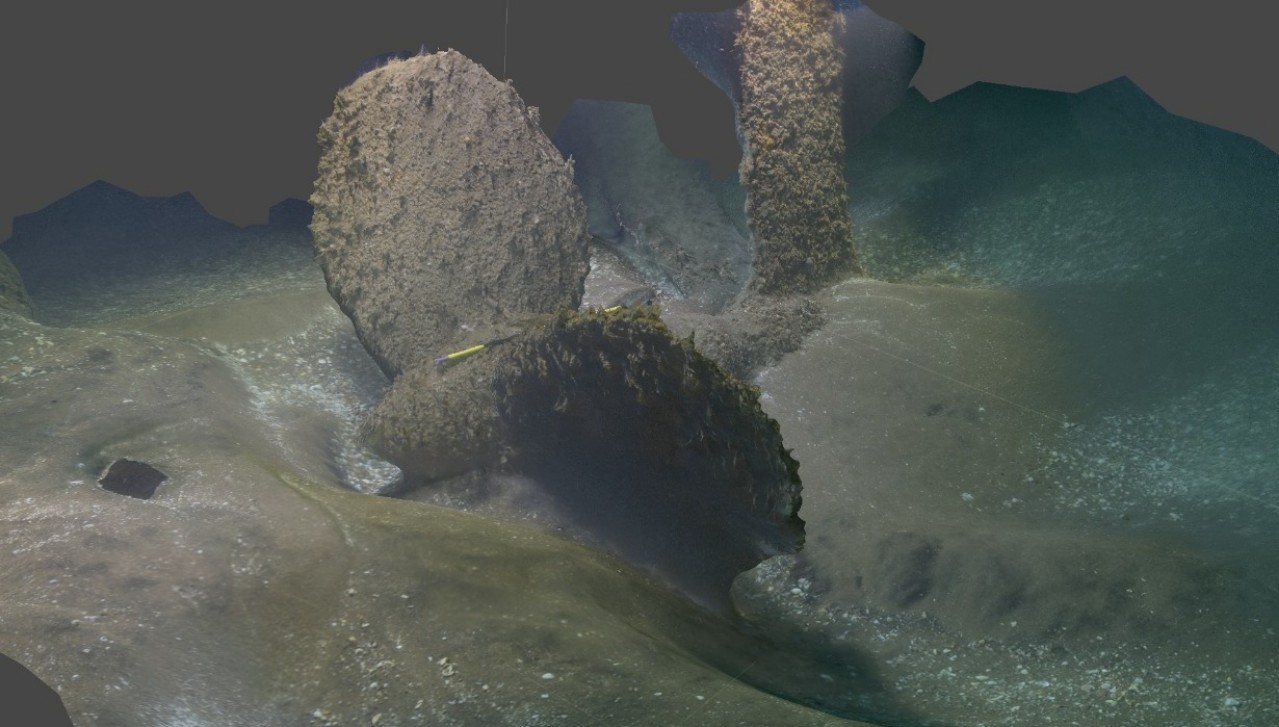
Divers have located the wreck of HMS Tiger, a Royal Navy warship lost off the Isle of Wight in 1908 after being cut in two during a training exercise, and the ship is set to gain legal protection under changes to shipwreck law now before Parliament, the Ministry of Defence stated.
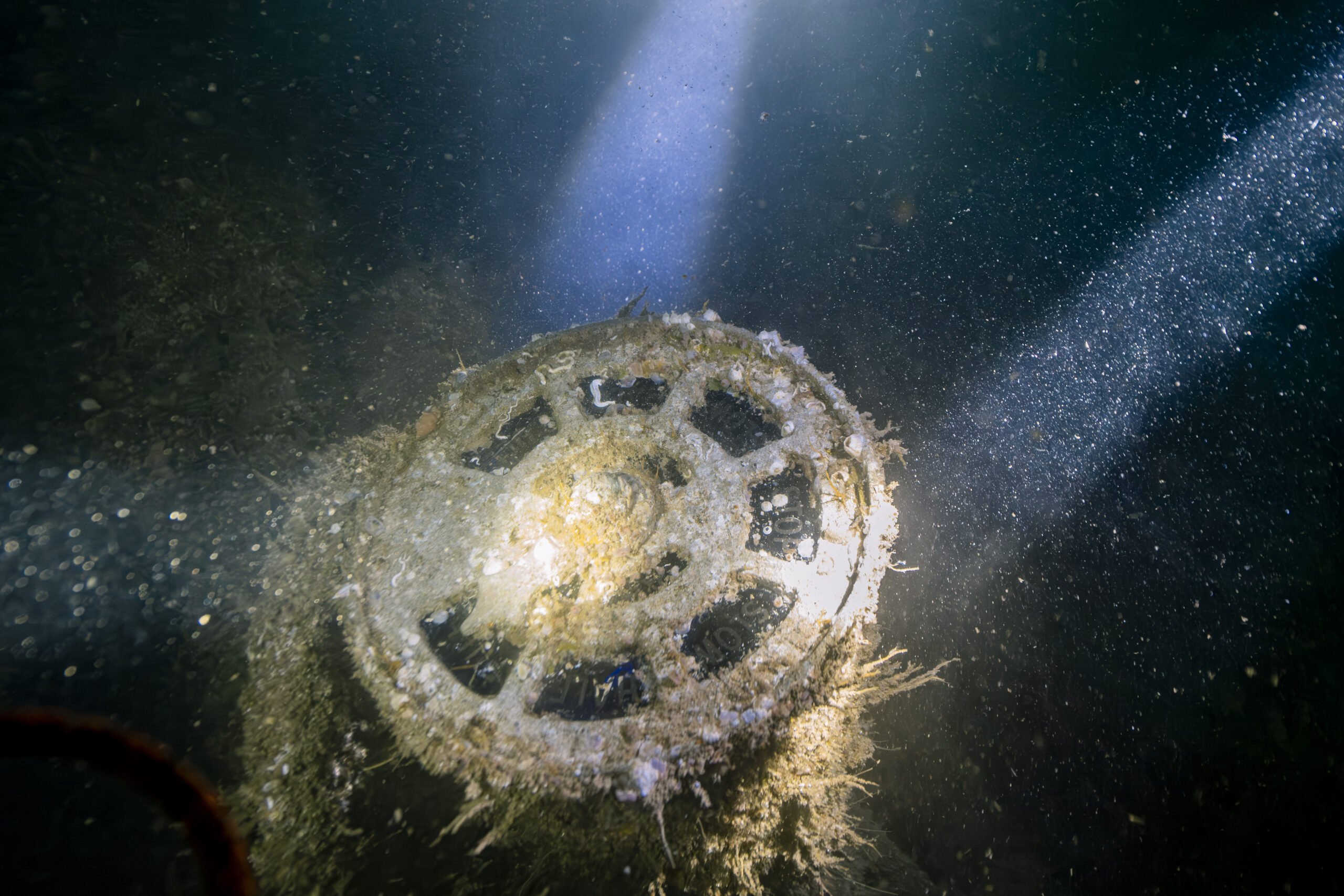
The discovery was announced by ProjectXplore, a team of divers and historians who spent five years working through archives to narrow down the location. The same group found the wreck of the cruiser HMS Nottingham in the North Sea last year. Tiger had evaded searchers since her loss 118 years ago, when she strayed into the path of another warship and was severed. Fewer than half of her 57-strong crew survived.
The announcement is timed alongside government proposals to amend the Protection of Military Remains Act 1986 through the Armed Forces Bill. Under the changes, military wrecks would be designated protected places automatically from the moment they are found, making it an offence to disturb or remove items without permission while still allowing divers to visit on a look but don’t touch basis.
Louise Sandher-Jones, Minister for the Armed Forces, said in the release that “Defence has a role to play in preserving our maritime heritage and the memory of those who gave their lives”, adding that the protections are intended to safeguard vulnerable and nationally significant monuments from the first day of discovery. She described the Armed Forces Bill as wide-ranging, spanning cultural heritage and improvements to the defence housing estate.
The current Act has significant gaps, according to the department. More than 129 sites have been designated in the four decades since it passed, either as protected places, which divers may visit, or as controlled sites, which require a licence from the MOD before any diving takes place. But the legislation does not cover wrecks more than 200 years old, offers no immediate protection to newly discovered wrecks, and permits only vessels lost after 4 August 1914 to be classified as protected places. Ships such as Tiger fall outside that date, leaving them either unprotected for years after discovery or pushed into the more restrictive controlled site category because no other option exists.
Extending the Act beyond the 200-year limit would bring vessels dating back as far as the Armada into scope, including former enemy ships, along with merchant vessels sunk while serving under Admiralty orders.
Leo Fielding and Dan McMullen, co-organisers of ProjectXplore, said in the release that documenting the wreck had been “the privilege of a lifetime” and that they hope the ship and the memory of those connected with her endure. The group described the proposed amendments as a constructive step in protecting UK maritime heritage.
Lieutenant Commander Jen Smith, the Royal Navy’s Deputy Fleet Wreck Officer, said protecting military wrecks benefits both maritime heritage and the diving community, noting that divers can still visit the sites. Her request of them is simple: “enjoy looking, learning and paying your respects at these incredible sites” without disturbing them.
Beyond shipwrecks, the Armed Forces Bill proposes improvements to service accommodation and an expansion of the UK’s Strategic Reserve, the pool of former service personnel carrying an ex-regular and recall reserve liability, which the department says would allow defence to draw on veterans’ skills in a crisis.
The waters around the Isle of Wight and the wider Solent approaches are among the most densely wrecked in British waters, holding losses from the Tudor period onward including the Mary Rose, raised in 1982, and numerous casualties from both world wars. The Protection of Military Remains Act has historically been applied to well-known sites such as HMS Hood and the ships sunk at Scapa Flow, with designation intended to prevent salvage and souvenir hunting on what are legally war graves.
Images: Dan McMullen and Guy Trees / ProjectXplore.



Not another one of the T23’s I hope.
A yawning gap?
Ummm … OK, plausible that RN can enforce the provisions of this bill in the E-A; however, enforcement in the I-P would prove to be quite challenging. In particular, accounts indicate Chinese scavenging both the HMS Prince of Wales and Repulse final resting sites. Despicable conduct which should merit immediate trial and punishment, but probably will not.
They didn’t wait long to reuse the name Tiger did they?
Big upgrade from a 400t torpedo boat destroyer to a battlecruiser, too.
Trying to overwrite an unlucky name?
My knowledge of naval history has increased. Lets hope a couple of RN divers can go down there soon to lay something like a plaque or white ensign.
Thanks to Dan and Guy for the interesting images.