

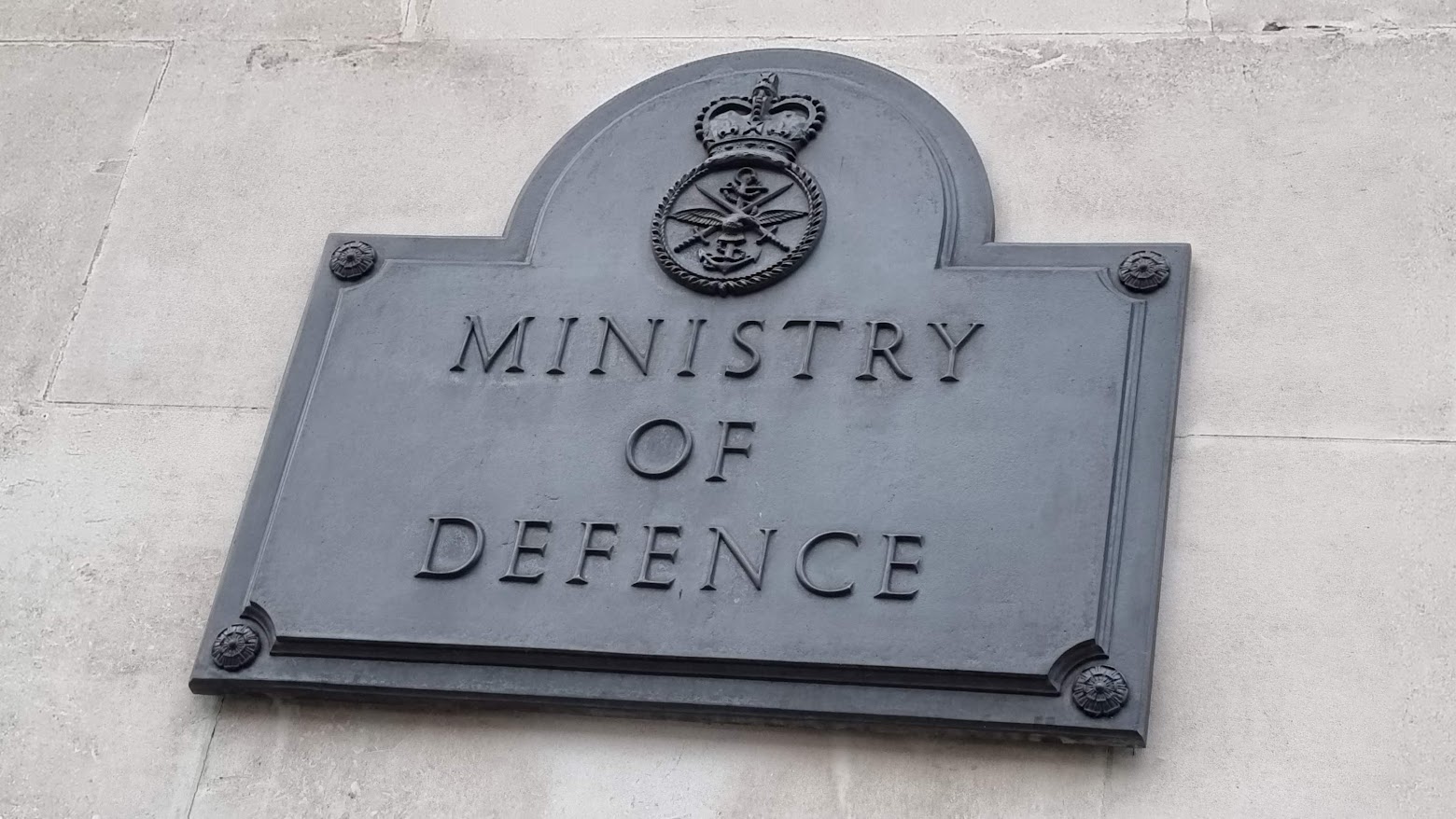
The government has committed to rewriting the War Books by the end of this year as part of an accelerated Home Defence Programme, with defence planning feeding into the work, according to a written answer published on Friday.
Louise Sandher-Jones, Parliamentary Under-Secretary and Minister for the Armed Forces, was responding to Stuart Anderson, the Conservative MP for South Shropshire, who had asked what progress has been made on ensuring plans under the programme meet needs in the event of escalation to war. She said the Ministry of Defence continues to update its own homeland defence and transition to war plans while playing a significant role in the wider Cabinet Office-led programme.
On the acceleration announced in July, she said: “A key element of this is the commitment to re-write, by the end of this year, the War Books. Defence planning is informing our input to these War Books as we support the Home Defence Programme focus on resilience and preparedness in the face of the range of threats and risks that the UK faces.”
Because homeland defence is an inherently whole-of-government effort, she said, the department is working closely with others to ensure all plans align in meeting needs in the event of escalation to war. The War Book is one of the oldest instruments of British government planning, originating before the First World War as a single volume setting out precisely which departments would take which actions, in which order, on the transition from peace to war.
The concept was maintained through both world wars and the Cold War, covering everything from the requisitioning of shipping and the imposition of censorship to the dispersal of government and the mobilisation of reserves, with each department holding its own chapter and the whole coordinated centrally. The practice fell away after 1991, when the prospect of a transition to general war ceased to shape Whitehall planning.
The Defence Readiness Bill
Running alongside the planning work is a legislative element, since the Strategic Defence Review committed the government to a Defence Readiness Bill, which the minister said is being developed in close partnership with the rest of government for introduction within this Parliament.
Luke Pollard, Minister for Defence Readiness and Industry, set out its intended scope in a separate answer the same day, responding to Helen Maguire, the Liberal Democrat MP for Epsom and Ewell, who had asked about broadening it to cover national resilience and other risks in the national risk register. He said: “The legislation will help ensure the Government has the powers needed to respond to sub-threshold and hybrid threats, while providing a framework of reserve powers that could be activated during a national crisis or escalation towards conflict.”
On the question of scope, he said work is under way across government and that consideration is being given to how the legislation can support wider national resilience objectives. The risks being planned against continue to be informed by the National Risk Register, the public-facing version of the National Security Risk Assessment.
Defence Secretary Wes Streeting told the Commons this week that he would report back to the House with plans for a national conversation about the threat, saying the aim is to raise awareness without raising alarm, after being asked whether Britain should run a public awareness campaign of the kind seen in Finland and the Baltic states.











This is a good idea if theyre going to fund it………
Fund it. It’s contingency planning updated, MoD have a plan for most occurrences. The War Book has been allowed to go out of date since the Cold War. Not sure it needs funding, just planning.
This stuff hasn’t been seriously done for the mid 1980’s, i.e. 40+ years ago. So pre GPS (effectively), pre internet, pre-mobile phones, pre AI, pre mass EV’s, pre supply chain dependency on China, pre Trump, pre cheap drones and UCAV’s … . A complete re-write will be needed. But who has the skills, knowledge, expertise and security clearance to do this? Even getting the required info and asking the right questions will be tough. It’s hard to see risk-adverse civil servants wanting to take this on, so at many Departments the work is all too likely to end up being largely done by consultants. I fear the output will then be a very expensive, very nicely formatted and illustrated, and superficially impressive set of documents – which will fail like a house of cards when put under real world stress.
I don’t suppose you’re the only person who’s noticed what’s going on. What I’m seeing is a lot of work being done to catch up – sadly it is catching up, but the effort is clear. The 1930s parallels are depressing.