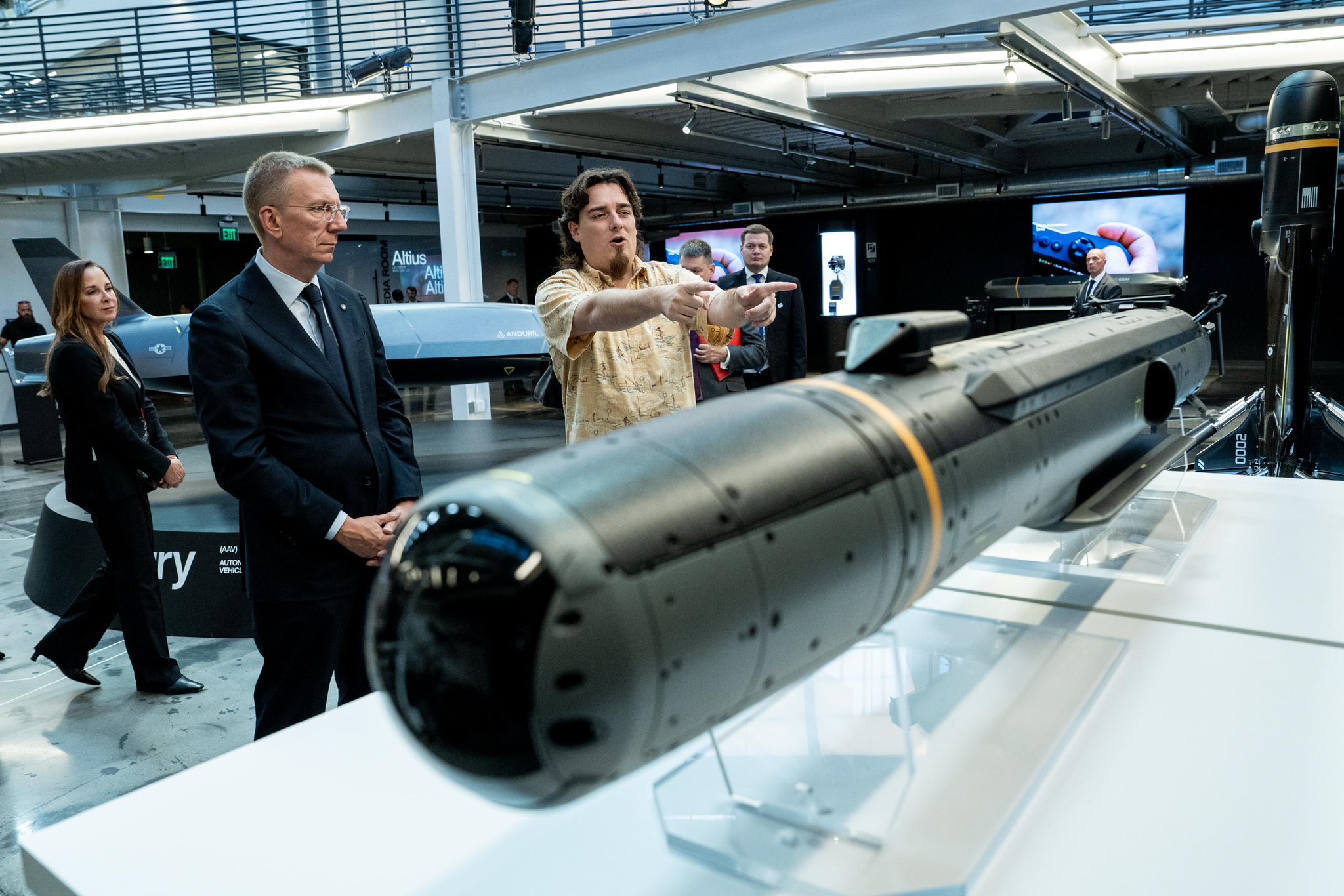
Latvia is moving to acquire Anduril Industries’ Barracuda family of long-range cruise missiles, a purchase that would make it the first Baltic state to field a strike weapon of that reach, following a visit by President Edgars Rinkēvičs to the American company’s California facilities on 25 September, the president stated in a post published after the visit.
Writing on X, Mr Rinkēvičs said: “It was great to visit Anduril to meet with Palmer Luckey and to witness signing of memoranda of cooperation with MOD of Latvia and Origin Robotics. Looking forward to complete acquisition of Barracuda long-range missiles and Latvian-US defense industry cooperation.”
Neither Latvia nor Anduril has disclosed which variant is wanted, how many missiles would be bought, the price or a delivery date.
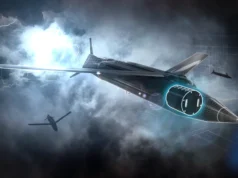
The Barracuda-500M, the long-range member of the family, has a range of more than 500 nautical miles, or around 926 kilometres, which is roughly three times the reach of the ATACMS rounds Latvia has ordered for its HIMARS launchers. Given that the country operates no fast jets and has a limited helicopter fleet, a ground-launched configuration would be the obvious route for it to take.
Anduril offers the family as an answer to a shortfall in affordable, producible long-range precision weapons, claiming it requires half the production time, 95 per cent fewer tools and half the parts of comparable weapons. The variants can operate autonomously and collaboratively with one another, acting as decoys as well as conducting strikes, and can be launched from fighters, helicopters, cargo aircraft, ships and ground launchers.
Production is already being scaled up on both sides of the Atlantic. The American Department of War signed a framework agreement in May for at least 1,000 surface-launched Barracuda-500Ms a year over three years for the United States Army, starting in 2027, and in July the Polish state group PGZ agreed to assemble and later produce the same variant at its Military Aviation Works No. 2 plant at Bydgoszcz. PGZ has said European production could make the missile eligible for purchase by other EU member states under the bloc’s SAFE defence loan programme.
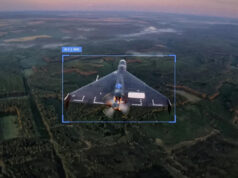
The second agreement signed during the visit concerns counter-drone work, and under it Origin Robotics, based in Riga, is to integrate its BLAZE autonomous interceptor into Anduril’s Lattice command and control system, giving a layered counter-uncrewed aircraft capability for Latvia and NATO’s eastern flank. BLAZE is a briefcase-sized interceptor using radar and camera guidance, while the company’s BEAK drone is already in service with Ukrainian forces.
Latvia has not said whether any Barracuda production, assembly or other industrial work would be carried out in the country however, though its Investment and Development Agency says the defence technology delegation now in the United States is seeking opportunities covering joint development, testing, manufacturing, system integration and supply chains.