

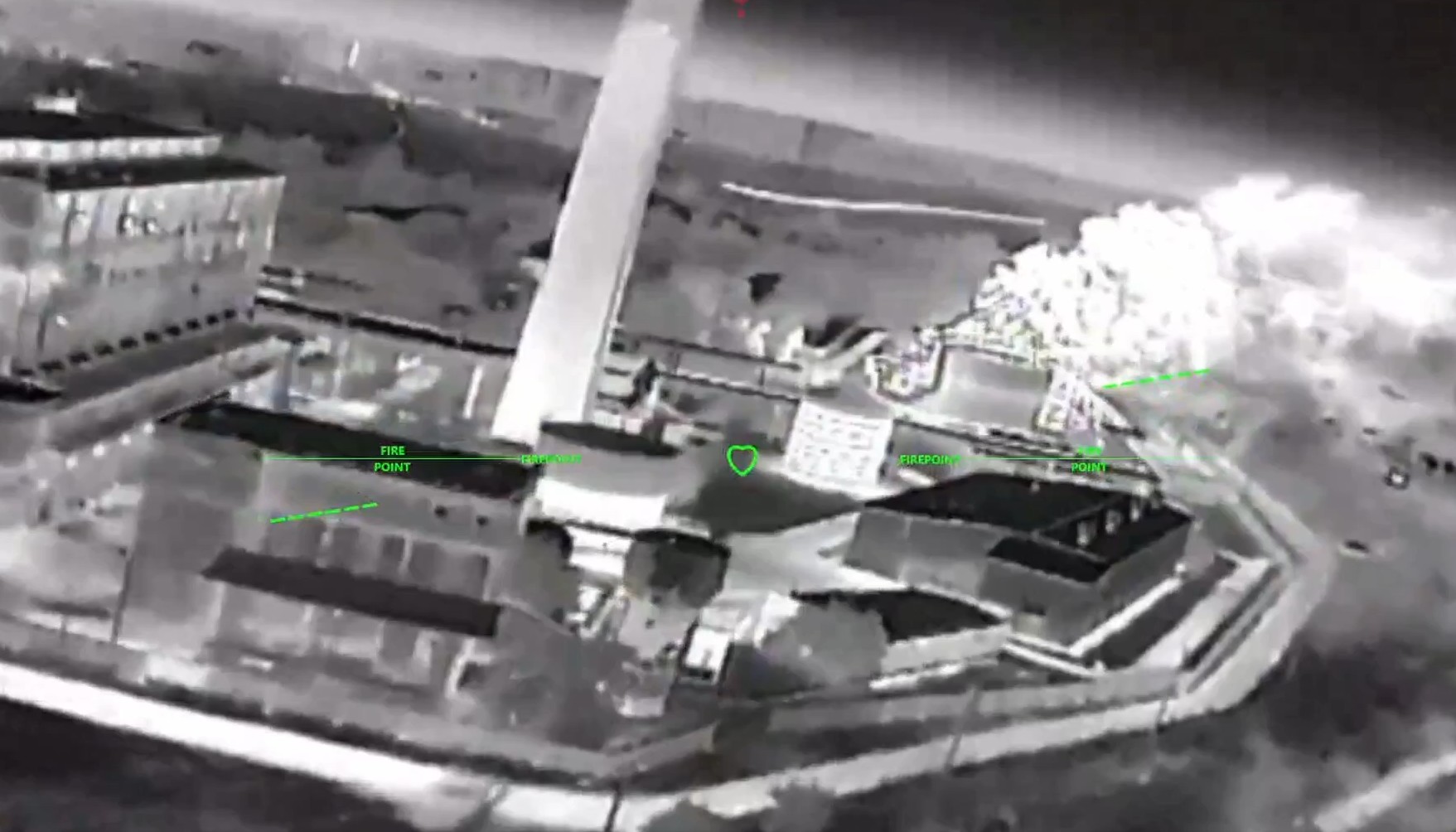
Britain will retrofit British capability onto equipment given to Ukraine by other partners, the Prime Minister told President Zelensky at Downing Street, alongside a fresh package of Lightweight Multirole Missiles and talks on accelerating long range support before winter, according to the government.
Andy Burnham welcomed Volodymyr Zelensky to Downing Street on Wednesday afternoon, and the two began by reflecting on their call the previous Saturday and on what the government described as Russia’s blatant indiscriminate attacks on civilians and energy infrastructure since President Trump called for an energy ceasefire. It was clear Russia had no interest in peace, the leaders underlined.
On how Ukraine’s allies could step up, particularly against Russia’s barrage of jet-powered drones, the Prime Minister set out the latest British package of Lightweight Multirole Missiles. He added that Britain would continue to develop innovative military solutions for use on the battlefield in Ukraine, including retrofitting British capability onto equipment gifted from other partners.
On long range missiles, the leaders discussed how Britain could accelerate defensive support ahead of the winter, and the Prime Minister said Britain would continue diplomatic efforts to support international supplies of defensive equipment.
Donated equipment arrives in Ukraine from more than fifty countries in a bewildering variety of types and standards, much of it Soviet-era, some of it decades old, and a great deal of it without the sensors, communications or guidance that would let it work inside a modern targeting chain. Fitting British seekers, fuzes, datalinks or electronic warfare packages onto someone else’s donated hardware turns a stock problem into an integration problem, and the British defence industry is better placed to solve the second than the first.
Britain has already done something along those lines at a smaller scale. Stone Cloak, the tablet-sized jammer designed by the government to stop Russian air defences tracking the drones it is fitted to, is manufactured under a British contract and its intellectual property has been handed to Ukraine so that Ukrainian industry can mass-produce it.
Jet-powered drones are the specific threat behind the latest missile package. The Geran-3, a jet version of the Shahed-136 design, flies considerably faster than the propeller-driven type Ukraine has been shooting down since 2022, which compresses the time available to detect, track and engage and pushes targets out of reach of the machine guns and small arms that handle the slower ones. Lightweight Multirole Missiles are one of the few interceptors cheap enough to use against them in quantity.
Thales builds those missiles in Belfast, where production now runs at four times its 2022 rate with £100 million committed to expanding further. The company says the work sustains 1,100 direct jobs in Northern Ireland and around 700 more across its British supply chain.











Fantastic. Let’s keep doing what we can for Ukraine.
No doubt to avoid ITAR and us [lowercase lack of respect intentional] influence in such activities – which means it’s already happened.
.
.
When will the UK government understand a strong[er] UK military, with a stronger UK military industrial base will also support foreign policy initiatives such as [supporting Ukraine] defeating the russians and their cohort of other bad nations [china, iran and naughty Korea]. This buys influence on the world stage, far greater than any soft foreign aid [sic] intiatives [sic] – sticks, the bigger the better win wars, directly and in this case, indirectly.