Kata Escott, UK managing director of Airbus Defence and Space, has said hostile states do not need grey zone attacks to go undetected because they aim to exploit Western hesitancy, according to remarks made at the Atlantic Future Forum in Oslo.
Asked on board HMS Prince of Wales how well allies are turning their technological edge into security, Escott said she is optimistic about advances in sensors, space and AI, but that the emphasis should be on what is done with the information. She said: “I mean, there’s a risk, isn’t there, of information overload or that information is siloed and not properly shared.”
She said that risk is particularly acute in the grey zone, where the advantage lies in spotting patterns across nations and across civil, financial and military infrastructure. She said: “I think our adversaries, our state adversaries, they don’t need to go undetected. If you think about what they’re trying to do, they’re trying to create hesitancy, exploit our uncertainty and ambiguity”. She added: “And so, what we need to do is to take that advantage away from them.”
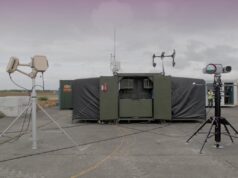
Escott cited the rapid advances in data fusion on Ukraine’s battlefields at a tactical level, NATO’s cross-border approach to integrated air and missile defence, and work in space to fuse data from multiple sources and suppliers to give a single intelligence picture to governments, including the same picture to several governments at once.
She said: “I think what we need to do is to be more ambitious, I think, in terms of the scope and the speed with which we roll that sort of thing out.” She said industry can bring technology to fuse data while working in open architectures and partnerships, but that governments must decide on the political playbook for how to respond quickly.
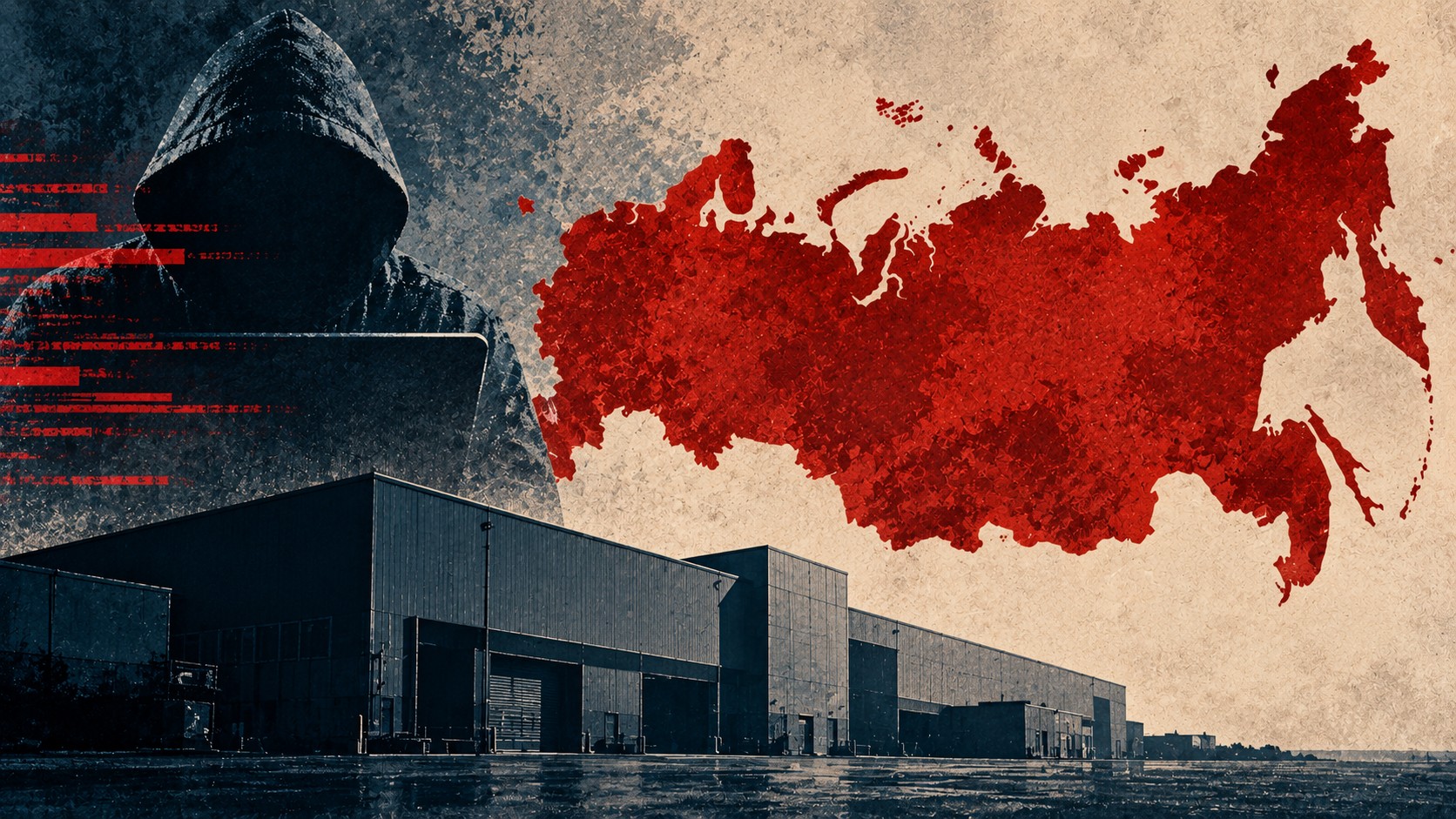
Erkki Tori, Estonia’s national security adviser, told the same panel that most Russian sabotage attempts in Europe fail and urged allies not to make the Russians ten feet tall. Airbus builds the Skynet 6A military communications satellite for Britain, and Russian activity in the grey zone has included mapping UK undersea cables.