

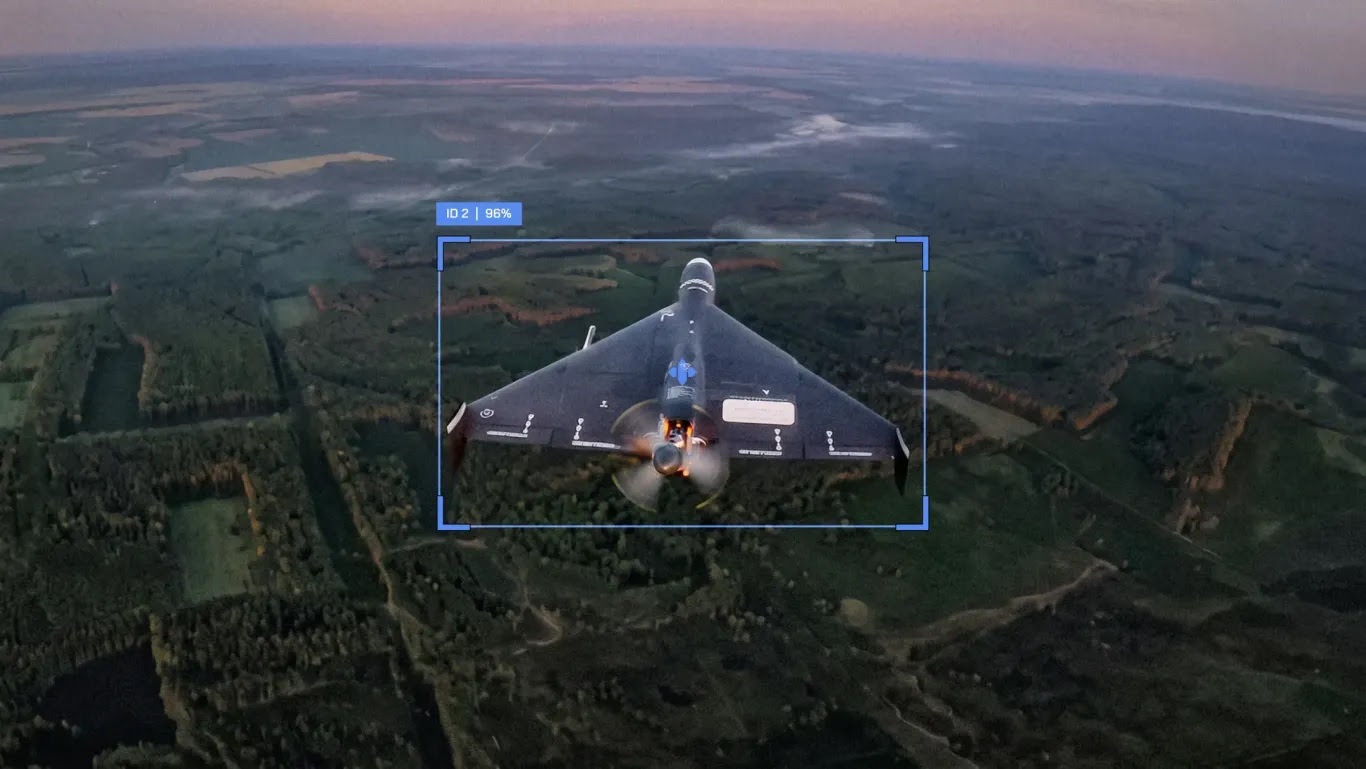
Britain’s response to the uncrewed formations being stood up in the United States, Germany and Ukraine runs through the hybrid Navy and the investment going into innovation and drone technology, the Defence Secretary told the Commons, according to an answer given in Parliament.
Al Carns, the Labour member for Birmingham Selly Oak, a Royal Marines officer who served as Minister for Veterans and People until earlier this year, set three allied examples against the British position and asked what would change in the structure of the armed forces.
Carns said: “Drones are changing the way we fight. How are we changing the structures as to how we fight? America is creating the robotic Uncrewed Systems Combatant Command. Germany has created uncrewed regiment. The Ukrainians have created unmanned systems force. What projects are we moving forward to really revolutionise this, into the Army, Navy and Air Force?”
Wes Streeting, the Secretary of State for Defence, thanked Carns for the leadership he showed on the subject as a minister and for the advice he continues to give, before naming the hybrid Navy and the heavy investment going into innovation and drone technology as the vehicles for the change. He said: “We have to be ready for the fight ahead.” Being ready, he went on, means out innovating as well as out producing, and building new systems and new platforms.
Ukraine’s Unmanned Systems Forces were created by presidential decree in 2024 and stood up as a branch in their own right alongside the ground forces, air force and navy, giving drone units their own command chain, procurement route and recruitment pipeline. Germany and the United States have since moved along similar lines, folding uncrewed systems into formations and commands with budgets attached to them.
Britain has taken the programme route so far, and the hybrid Navy that Streeting named covers four uncrewed classes and one crewed one, with Type 91 as an uncrewed missile platform, Type 92 an uncrewed underwater sensing platform, Type 93 an extra-large uncrewed underwater vessel and Type 94 an uncrewed radar platform, sitting alongside a future Common Combat Vessel.
The Defence Investment Plan put at least £1.3 billion behind the construct when the designations were announced earlier this year, and the department told Parliament this month that planning assumptions support progressive introduction from the early 2030s with no service entry dates yet set.




Presumably the policy is to do whatever is cheapest and can be put off for the longest and if forced to spend money it is after the next election or the next.
I think it’s only a matter of time before another command or force for Drones is stood up.
The MoD love to rebrand, and often US terminology is suddenly reflected in our own naming conventions as the military hang on the US coat tails and copy them.
Though our military is so small now such a Command wouldn’t have much in it. The Army already has a couple of Drone Regiments, 32 and 47, and a veil of secrecy has descended over the OWE types, which seem to be embedded in the MLRS Regiments, so not really applicable as Drone formations.
The RAF has 2 Protector Sqns and the varied Storm types are seem to be mixed into the RAF Regiment, along with 216 Sqn.
3 Sqns hardly makes a Command.
Perhaps if the CCA take off they might bunch them into their own Group?
Merge the Army Air Corps and Fleet Air Arm and give UAVs to them. The Royal Navy can run autonomous sea vessels and the Royal Armoured Corps can run autonomous ground vehicles.
We do not need yet another Arm with about five actual drones to its name having its own overmanned lobby group cluttering up Whitehall.
The issue here is between equipment development and procurememt on the one hand and operational deployment and control on the other.
The former needs to be pulled together into one reporting and scrutiny body, as we look to be developing a considerable number of unmanned systems with a lot of AI in the mix, from various classes of FPV and ISR drones, C-UAV systems, UGVs, unmanned T9X naval vessels and air force loyal wingman. There must be a lot of synergy and no doubt a lot of duplication across all these platforms, so it would seem to make sense to have one technically competent, experienced engineering body scrutinising all the ideas and proposals. (If we still have these professional resources available, which the hapless DES seems to have lost).
But when the kit is handed to the services, the roles and tactics required in operation differ considerably between the services. An infanteer operating a small FPV drone or the RE and REME operating a UGV or an RAF pilot controlling a loyal wingman or a warship acting as mother ships for unmanned vessels are all very different tasks and skills. Can’t see the need or value in some Joint Tri-Service unmanned weapons corps. I can see the need for a UAS group in each service, for doctrine, training and tactics. In the Army that should probably sit with the gunners or maybe army air. Don’t know how it would work in RAF and RN.
So no answer from Streeting, aside from generic chuff as he literally has no clue! I’m actually pleased with the uncrewed concept moving forward but have zero trust or belief it will be CORRECTLY funded or implemented in a decent timeframe!