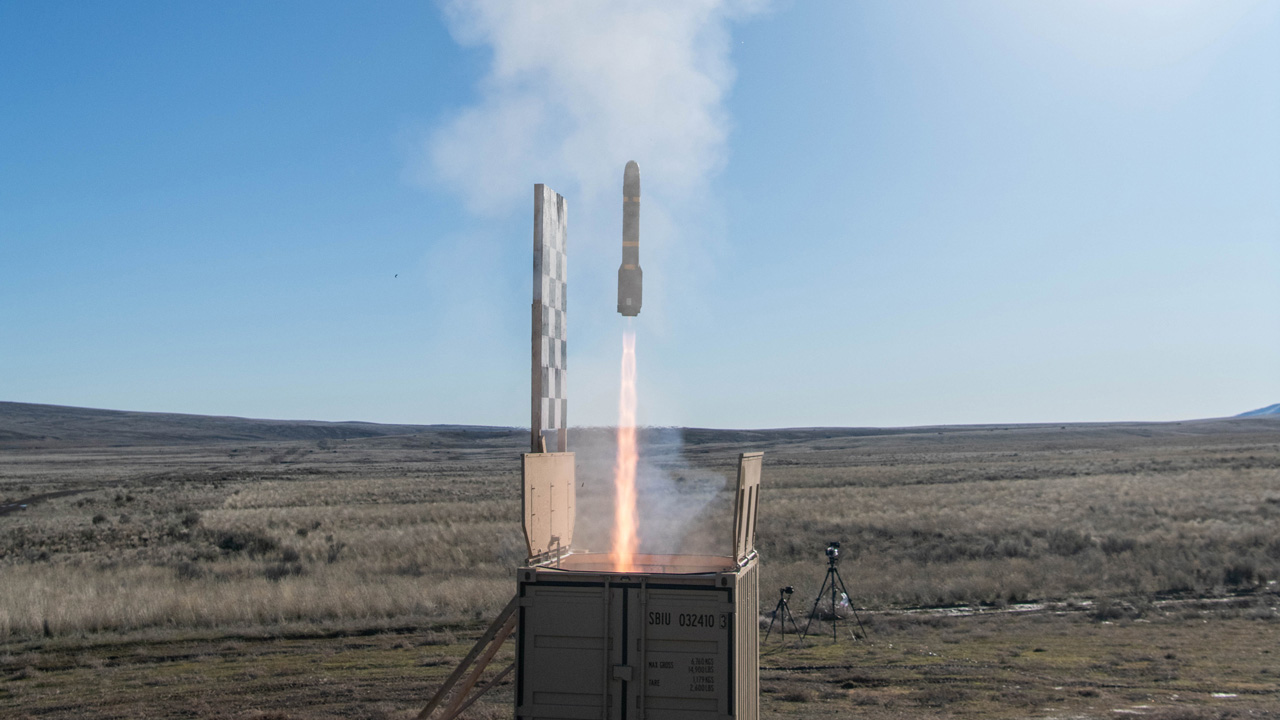
The trials, conducted in the United States, saw the system load and fire a missile from a 10-foot Tricon container, marking what the firm described as the first integrated live-fire and vertical launch demonstration of the concept.
The launcher has been developed using existing architectures, including components derived from the in-service M299 launcher.
The GRIZZLY system is designed as a containerised, expeditionary capability that can be deployed rapidly and integrated with a range of command and control networks, with Lockheed Martin positioning it as a flexible option for distributed operations. The company states that the system is sensor and platform agnostic, allowing it to support a range of missions across different services.
Lockheed Martin indicated that the programme moved from initial development to live-fire testing within six months, with further work planned alongside US government partners to refine the system following the trials.
Randy Crites, vice president of Lockheed Martin Advanced Programs, said the tests reflected a focus on rapid development, stating “our first live fire tests come just six months after the program began research and development… demonstrating our focus on quickly delivering a mobile and versatile launcher capability to defeat evolving threats.”
He added that the system is intended to offer adaptable deployment options, noting “GRIZZLY provides the customer versatility and flexibility for their needs, as well as an element of mobility and discreteness for offensive and defensive fires.”