

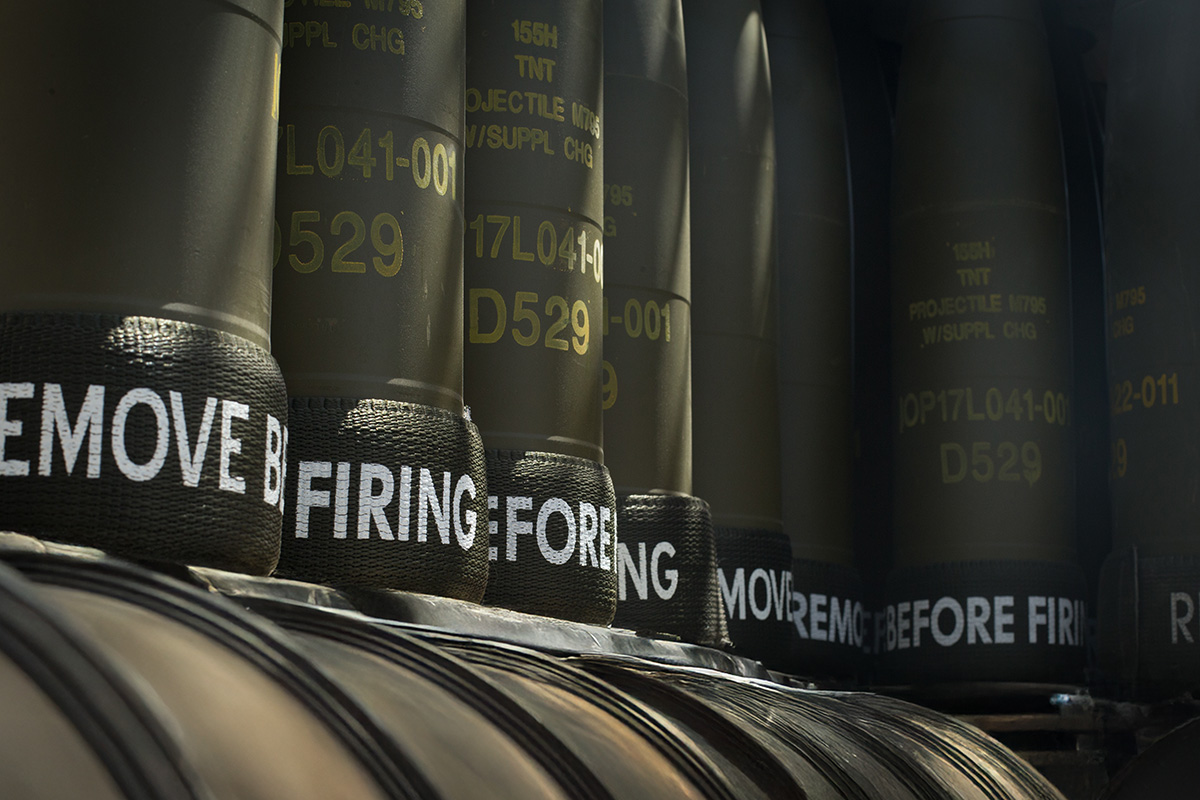
Delays to the Defence Investment Plan are discouraging global defence firms from investing in Britain, with industry warning that competitors such as the United States, Germany and Poland are benefitting instead, according to evidence given to MPs.
Speaking to the House of Commons Defence Committee, Make UK Defence Director General Andrew Kinniburgh said uncertainty over long-term spending is already shaping investment decisions. “We are in a global race to get money from the big defence companies. They have many options; they can go and invest in Germany, Poland or the US,” he said, adding that continued delays are effectively signalling that firms should look elsewhere.
Kinniburgh warned that while the UK is not explicitly turning investment away, the lack of clarity is having the same effect. “With us delaying and prevaricating on the defence investment plan, we are basically telling those companies, ‘Perhaps you should invest somewhere else.’ We are not saying that directly, but that is the indirect impact,” he told the committee.
The concern was reinforced by evidence that some firms have already relocated activity abroad. Kinniburgh cited a UK-based nanotechnology company that moved operations to the United States after struggling to secure investment and contracts domestically. He added that overseas governments are actively targeting British firms, offering incentives to relocate. “We have the US and other countries quite aggressively circling the UK… saying, ‘Come and stay with us. We’ll look after you,’” he said.
Industry representatives also pointed to a growing credibility gap with international partners. Fred Sugden of techUK said delays between government commitments on defence spending and the reality of contract flow are making it harder to attract inward investment. According to him, the mismatch is affecting both exports and the UK’s ability to position itself as a reliable destination for defence business.
The wider impact, witnesses argued, extends beyond large primes to the broader industrial ecosystem. Smaller firms are facing cash flow pressures, contract delays and in some cases closure, weakening supply chains and further reducing the UK’s attractiveness as an investment location. Samira Braund of ADS described the current environment as one of “paralysis”, with demand signals from government still unclear.








Listening to Healy stumble through his BBC interview this morning giving no response to the very real questions on our Defences instead rehashing actives reported weeks ago,I have little faith that the Armed Forces will get anything near what is needed and even that won’t be untill well past the mid 2030’s. The DIP when released will likely include more cuts (savings) and a ‘talking up’ of many contracts already in place. So they have fixed it all! you just have to believe! and don’t ask awkward questions.
AB Boy, Defence spending is supposed to rise to 2.5% of GDP in FY 27/28 ie in a years time.
Core to this is the DIP, hopefully now the ajex question has been put to bed for now and the army will not be going cap in hand for an extra 5 billion the Dip will be finalised.. mood music seems to now be May..
The big question is before the 7th of May or after..
That raise only covers the stuffing of the budget moving the intelligence budget under defence, pay, pension and ni raises, afghan resettlement costs, chagos deal. So its not accurately a raise. Think none of them have accepted we need to be back at cold war levels ie 4% now not maybe 3.5% in a decade its a competitive world and the peace dividend and usa unipower was an aberration not the norm. They found 30bn for welfare and nhs raises in the last year but cant find 20bn increase for defence for another decade. Im afraid they will just say drones fix everything and call it a day meanwhile countermeasures abound by the day…