

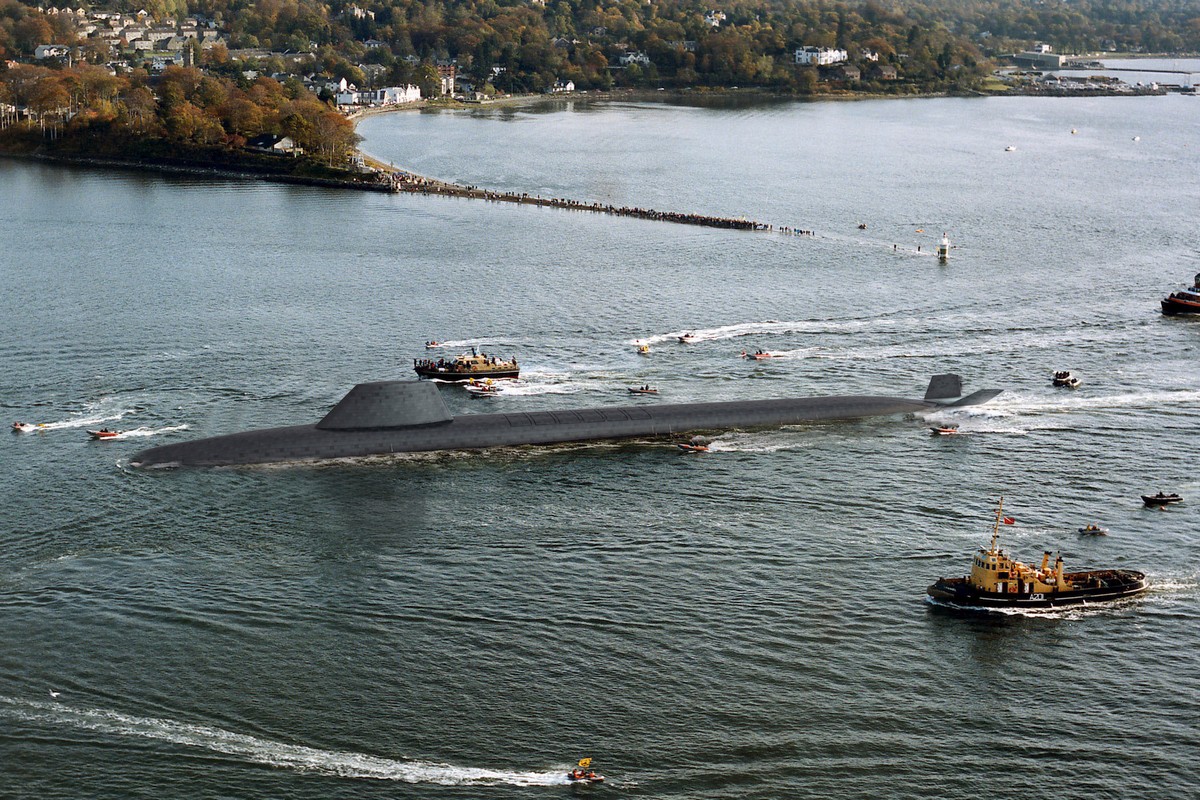
The Ministry of Defence has declined to say when HMS Dreadnought is scheduled to begin sea trials, arguing that releasing the timetable could prejudice the capability, effectiveness or security of the Armed Forces.
The position was set out in a written parliamentary answer to Conservative MP Ben Obese-Jecty, who asked in what year the first Dreadnought-class ballistic missile submarine was scheduled to commence sea trials.
Defence Minister Luke Pollard said: “Providing the dates of sea trials for the Dreadnought class would, or would be likely to, prejudice the capability, effectiveness or security of the Armed Forces.”
The MOD did, however, restate the broad timetable for bringing the submarine into operational service.
Pollard added: “Dreadnought will conduct her sea trials at an appropriate time so that she will be ready to enter service in the early 2030s.”
The question followed a July MOD announcement on an £8.4 billion investment in the UK’s nuclear deterrent programme. Obese-Jecty sought a specific year for the start of sea trials, but the department declined to narrow the timetable beyond saying that trials will take place in time to support entry into service in the early 2030s.
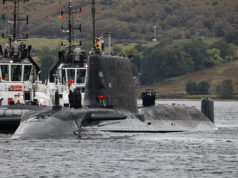
HMS Dreadnought is the first of four submarines being built to replace the Royal Navy’s Vanguard class and sustain the UK’s Continuous At Sea Deterrent. The class will eventually assume responsibility for carrying the UK’s submarine-launched nuclear deterrent.
Sea trials will form a major stage in the programme before the first boat can enter service, allowing the submarine and its systems to be tested at sea following construction and commissioning activity.
The Government has repeatedly stated that the first Dreadnought-class submarine is expected to enter service in the early 2030s, replacing the ageing Vanguard-class boats as they approach the end of their operational lives.





I’m a bit confused?
Wouldn’t it be obvious to all the Russians renting properties along the Clyde or Barrow when a boat as huge as that sets out to sea? Or a satellite?
What’s the need to withhold?
I imagine it’s mainly older regulations rather than actually keeping opsec against an even semi-competent adversary.
Plus it gives political cover if timelines slip.
If the Russians wait until she is going down the Clyde it will be too late.
With the state of the Russian navy they will need notice to get something to sea 😀
Yes this is political not geopolitical.
Hi M8, The cynic in me says that given the number of times we muck up announced delivery dates and MOD get it in the neck, they have had a light bulb moment and realised it’s safer to be vague.
But it’s more likely that by now they realise that we are burning through our Vanguards core life with these extra long deployments and telling them when Vanguard arrives is a pretty good indication of when we will be most vulnerable.
There’s a difference in having a days notice to send a submarine to find the dreadnaught that left during the night and then observe its trials. Vs having a few years notice to plan your intelligence gathering.
Yes, fair.
I doubt the Russians or Chinese put such information out to the world, so why should we.
Withold any chance of the Chinese or Russians getting near enough to gather information from the tests to one day use against us for example a recording of the sound of the boat is a vital part of the business. If they can get it then those details are usable for hunting for the deed aughts. Keeping the whole are clear of snoopers using id expect an astute or other NATIONS boats.. will be the way it’s done
Is this the MOD’s new way of saying “Its late and overbudget”
Judging by the No of Foreigners in this Country it’s a fair bet The date is on Puntins Desk as we Speak…!
You think any advanced dates are more than fiction?
Given past events, it’s hard not to be cynical about any official statement(s) made about anything.