

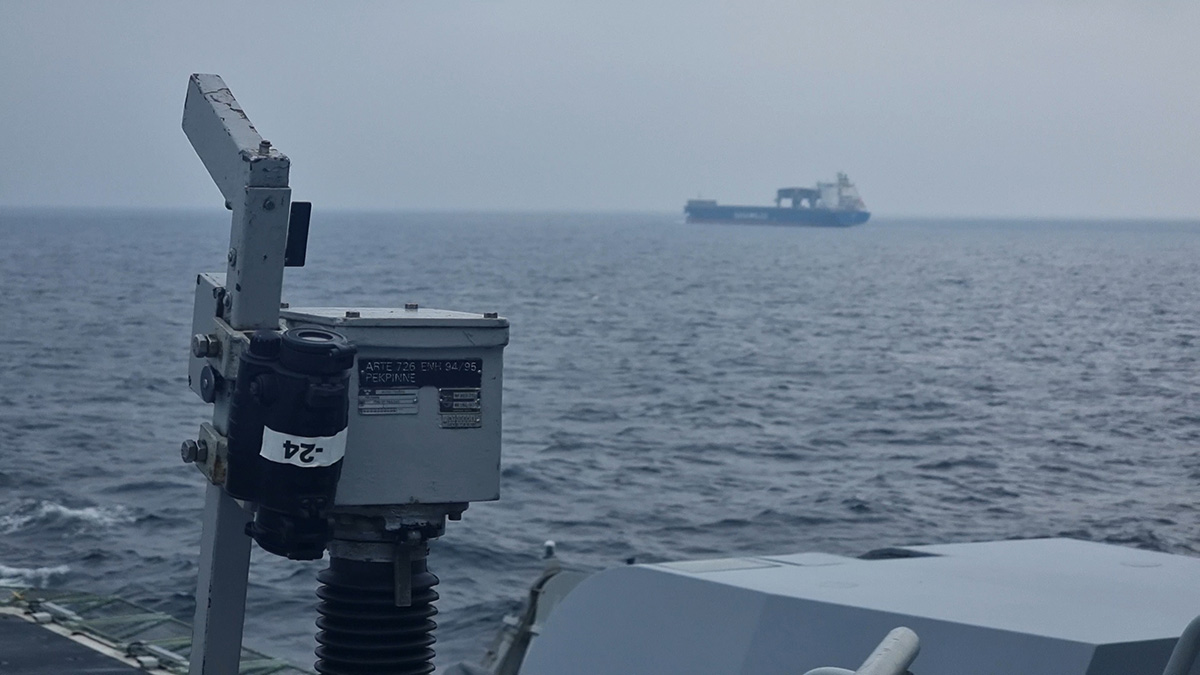
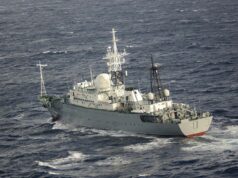
A Russian tanker reportedly idled for almost two days over the FLAGS pipeline to St Fergus, with a second vessel following a day later, and shadow ministers want offshore energy assets given Critical National Infrastructure status, according to a letter sent to the government.
James Cartlidge, Andrew Bowie and Harriet Cross wrote to Wes Streeting, Miatta Fahnbulleh and Douglas Alexander at the Ministry of Defence, the energy department and the Scotland Office.
They say the second Russian vessel carried out “an almost identical apparent reconnaissance” over FLAGS and also spent time above the Frigg UK pipeline, which leads to the same Aberdeenshire terminal, all “In recent weeks alone”. They add that a Chinese vessel showed “very similar behaviour” within days, and refer to “countless reports of unidentified drones loitering close to offshore energy infrastructure.” The letter does not name the vessels or the source of those reports.
The three shadow ministers say 23 million homes, 85 per cent of households, rely on gas for heating and cooking, and that 80 per cent of the gas the UK uses each day arrives by underwater pipeline. They say only some energy infrastructure, largely relating to generation and transmission, currently counts as Critical National Infrastructure, leaving many offshore assets “classed only as commercial assets, leaving them less protected.”
They have asked for a response or private briefing on what is being done to deter and prevent attacks on pipelines, what has been done to assess and secure alternative gas supplies at short notice, and whether all offshore energy infrastructure will be designated as critical. They also ask ministers to drop the proposed ban on new licences, citing the decision to permit the Jackdaw gas field, and to set out a path to 3 per cent of GDP on defence by 2030.
Shadow Secretary of State for Scotland Harriet Cross MP said: “Scotland is on the frontline of the growing threats from states such as Russia and China.
“Energy security is national security, and reports of vessels from these hostile nations operating close to vital pipelines off our coast should set alarm bells ringing for Labour ministers.
“These pipelines bring the gas that millions of households and businesses depend on. Any disruption would have catastrophic and potentially long-lasting consequences.
“Labour ministers must take stronger action to deter hostile states and ensure that Scotland’s offshore energy assets receive Critical National Infrastructure status.”
Shadow Secretary of State for Defence James Cartlidge MP added: “The sighting of Russian and Chinese vessels in British waters underlines why we cannot afford to be complacent about the threats to the realm.
“Yet at last week’s Budget, Labour again failed to commit to spending 3 percent of GDP on defence. Kicking the can down the road is leaving our armed forces without the certainty they need.
“National security and energy security go hand in hand. Protecting Britain’s vital infrastructure and giving energy assets Critical National Infrastructure status must be a priority, not another promise deferred until the next Spending Review.”
Shadow Secretary of State for Energy Security Andrew Bowie concluded: “While hostile nations pose a growing threat to our undersea pipelines and offshore assets, Labour and the SNP continue to undermine the very industry that keeps the lights on for businesses and families.
“The ongoing refusal to back Rosebank, and the ban on new oil & gas licences is putting our energy security, thousands of skilled jobs and billions of pounds of investment at risk.
“Scotland’s energy infrastructure must be given the protection it deserves. That means recognising offshore energy assets as Critical National Infrastructure and backing our domestic oil and gas industry.”
Chancellor John Healey told the Commons last week that defence spending would have a target date of 2030 for reaching 3 per cent of GDP, with details to follow at next year’s spending review. Louise Sandher-Jones, Minister for the Armed Forces, said in a written answer on Tuesday that she could not give details of detections or surveys of undersea infrastructure for national security reasons, and that £330 million over four years will strengthen its protection. The government said last month that undersea pipelines provide 74 per cent of Britain’s gas supply.







OF course if we were fracking we would no longer need these pipelines!
Is there a legal or diplomatic reason why such ships cannot be subjected to boarding and inspection?
Yep. It’s called WW3. I know what you mean but the damned thing is in international waters so we’re stuck. 😒