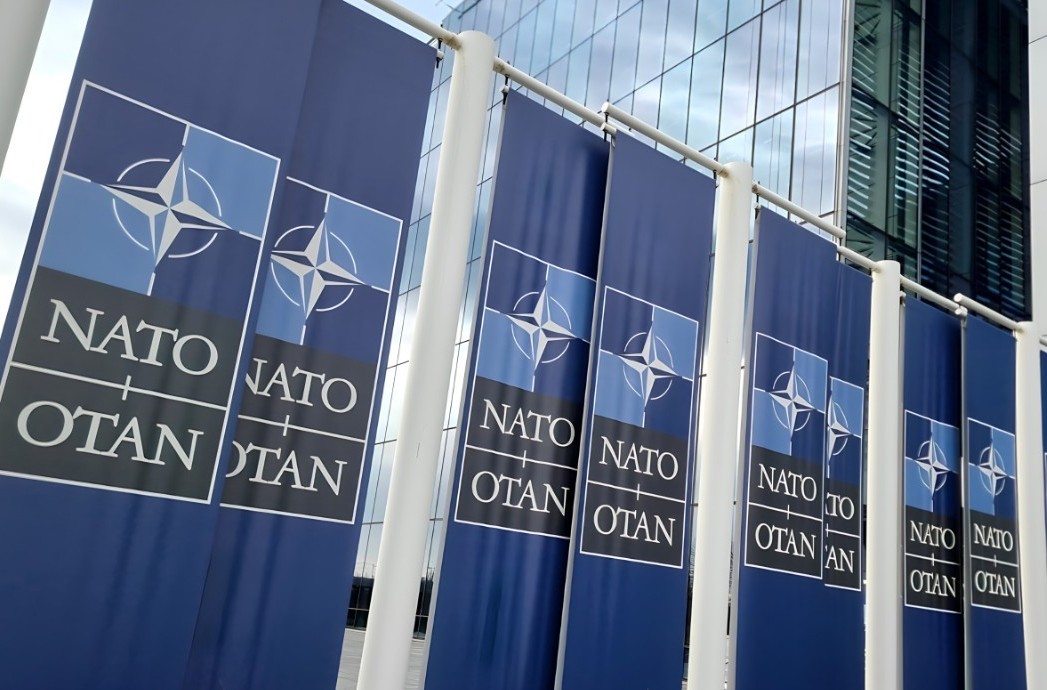
NATO Deputy Secretary General Radmila Shekerinska is visiting Dublin for two days of engagements, including a public discussion on security issues and an informal meeting of European Union defence ministers, the UK Defence Journal understands.
Shekerinska will appear at the Institute of International and European Affairs in Dublin on 31 August for a one-hour event beginning at 14:30. The discussion will also be livestreamed for online participants.
Her visit runs from 31 August to 1 September and will also include participation in an informal meeting of the EU Foreign Affairs Council in its Defence Ministers’ format on Tuesday.
The Foreign Affairs Council is the principal forum through which EU member states coordinate foreign, security and defence policy. Meetings in Defence Ministers’ format bring together national defence ministers to discuss issues affecting the Union’s Common Security and Defence Policy, military support initiatives and wider European security.
Ireland is an EU member but is not a member of NATO, retaining a longstanding policy of military neutrality. It nevertheless maintains formal cooperation with the Alliance through NATO’s Partnership for Peace programme, which Ireland joined in 1999, and participates in a range of peace support, training and interoperability activities.
Shekerinska took office as NATO Deputy Secretary General on 2 December 2024. Before joining the Alliance’s senior leadership, she served as North Macedonia’s defence minister from 2017 to 2020 and again from 2020 to 2022. She was the first woman to serve as North Macedonia’s defence minister and became the country’s longest-serving holder of the position since independence. She has also previously served as deputy prime minister. Her IIEA appearance is expected to provide a broader discussion of NATO’s current priorities and the security environment facing Europe, while the following day’s EU meeting will place her alongside defence ministers from across the bloc.
The visit takes place as NATO and the European Union continue to work through overlapping questions of European defence capacity, military readiness and the division of responsibilities between national governments, the EU and the Alliance.
Recent NATO discussions have placed increased emphasis on European members assuming a larger share of conventional defence responsibilities, alongside higher defence expenditure and expanded industrial capacity. Those debates also affect EU states outside NATO, including Ireland, because many questions around infrastructure protection, resilience, maritime security and military mobility extend beyond formal Alliance membership.