

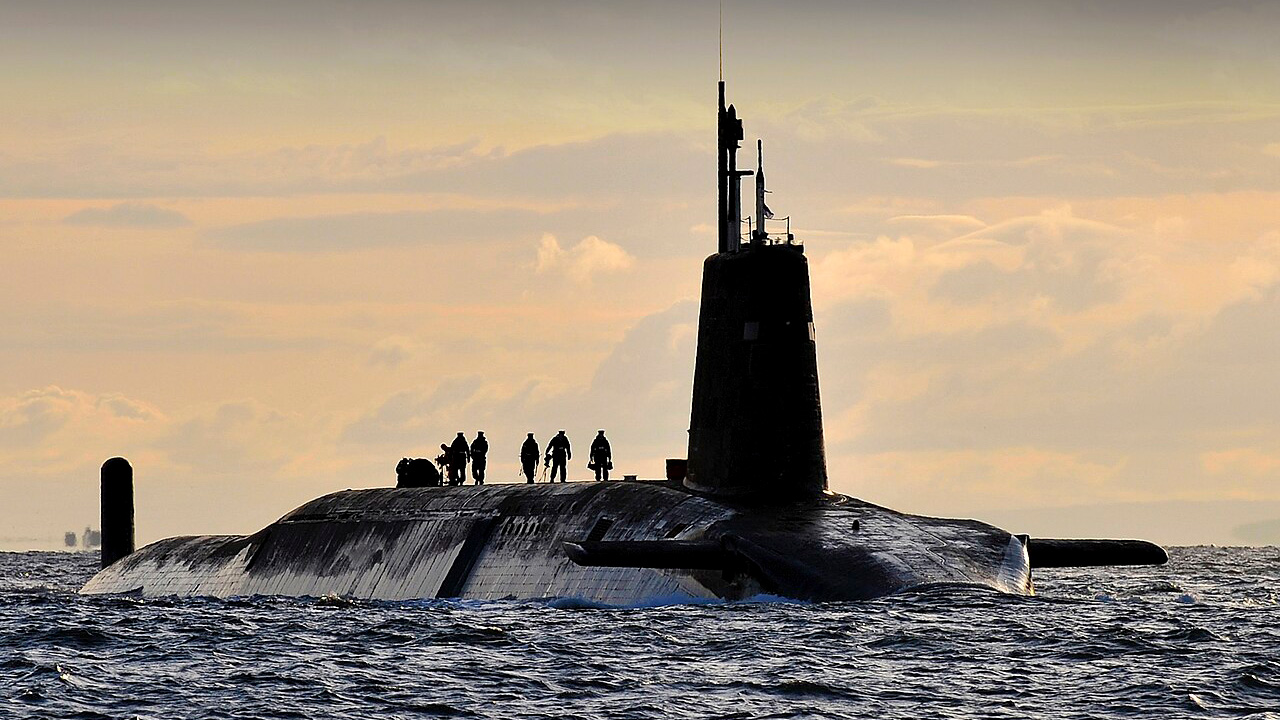
The Defence Nuclear Enterprise now accounts for just under a quarter of the defence budget and is likely to stay at that level for many years, Ministry of Defence Permanent Secretary Jeremy Pocklington told the Defence Committee.
Pocklington said: “As you know, as you’re alluding to, but just to confirm that the defence nuclear enterprise is about just under a quarter of the budget now, and it’s likely to remain that way for many years to come, given the number of large, long-term programs.” He said the programmes face the same business case requirements and internal and cross-government challenge as others, and that the department had set up a Defence Nuclear Board including non-executives.
Director General Finance Aneen Blackmore said the nuclear budget had been scrutinised programme by programme during the Defence Investment Plan, with specific sessions with the Treasury.
Committee chair Tanmanjeet Singh Dhesi replied: “Did you find that, with all due respect, all of that scrutiny is happening within departments. You know, it’s people marking their own homework. There is no parliamentary scrutiny.” He said plans for a select committee on nuclear spending had been discussed for two or three years.
Pocklington said the department supported the new committee, adding: “But I’ve always been very supportive of creating this new Parliamentary Select Committee. My understanding is that will happen in the next few months.” Dhesi said: “as yet there is no such select committee, so there is no parliamentary scrutiny, and I think that is to our collective detriment as a nation.”
Jesse Norman said: “Obviously, the amount we spend on our nuclear enterprise profoundly affects the rest of the budget available.” He said the security concerns raised by the department “make it impossible to scrutinize the budget on the submarine enterprise itself.”
In June, the Public Accounts Committee said the Defence Nuclear Enterprise took 18% of the defence budget, £10.9 billion, in 2024-25, expected to reach 20% in 2025-26 and approach a quarter in coming years, as we reported. The committee said the department was “not currently providing Parliament with sufficient transparency over its ever-increasing nuclear expenditure.”
The same report said nine nuclear programmes each have whole-life costs above £10 billion, and that Dreadnought is reported to be within its £41 billion budget.
In October, Luke Pollard, Minister for Defence Readiness and Industry, said in a written answer that the government intends “to establish the new Committee by the end of the year”, as we reported. Creating it requires a House motion amending Standing Orders, and the government controls the timing. Pocklington’s evidence now places the committee in the next few months.








The most Expensive Dockside Paperweights on the Planet..
I wonder if Putin genuinely fears a UK PM would use nukes, especially Trident in any circumstances? I doubt it frankly and he is just crackers enough to test the theory one day.
Given how important the nuclear endeavour is we should be asking why were we not always spending 25% of the defence budget on it.
SSN’s and SSBN’s are the one capability that keeps us at the top table and gives us global reach and power and it’s the one thing we are really really good at. It’s also responsible for the biggest defence export in UK history.