

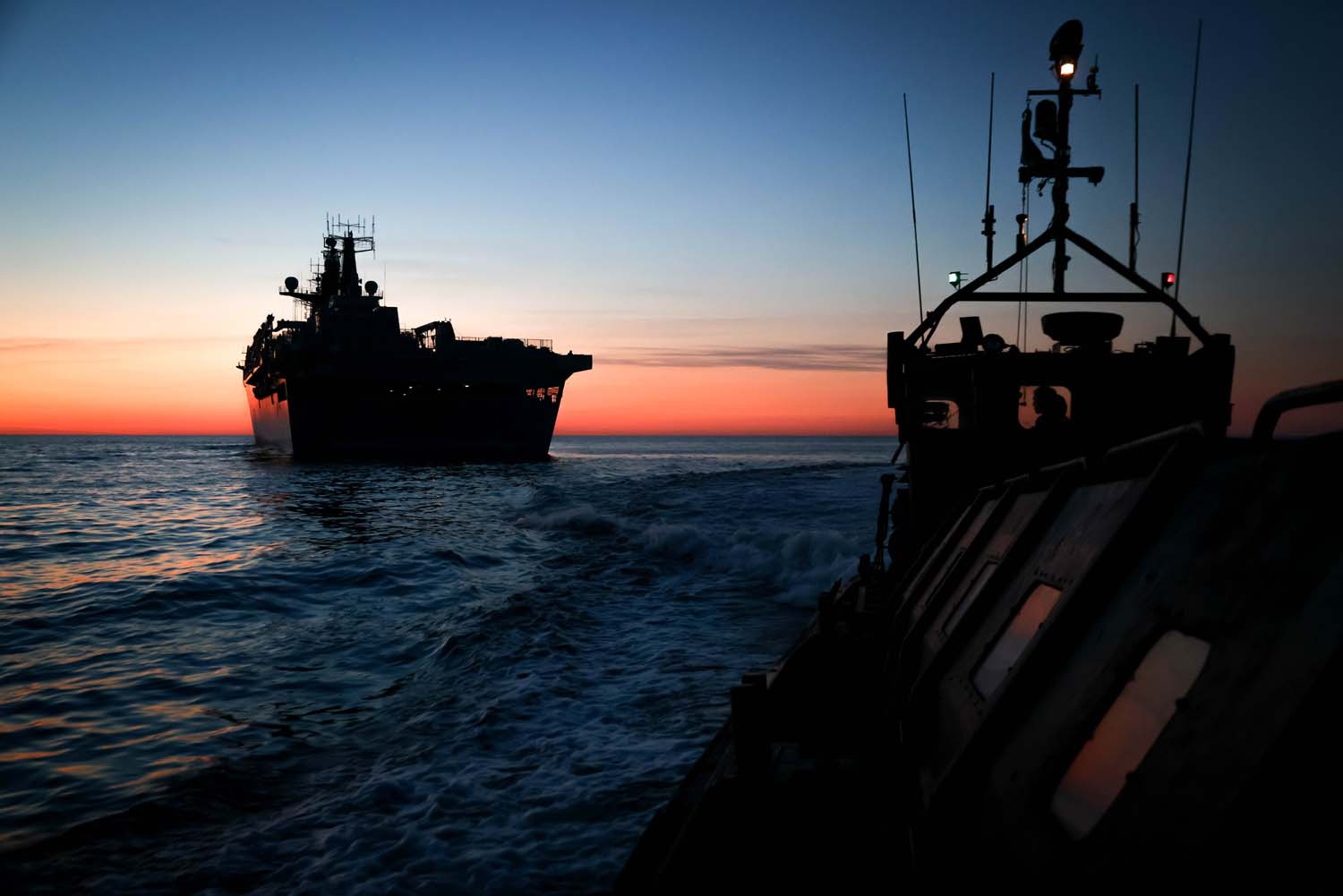
The Royal Navy surface fleet now numbers 49 vessels, half the 97 it had in May 1997, with just five frigates and no amphibious ships on the books as of 1 November, according to figures released in Parliament.
Conservative MP Ben Obese-Jecty asked for the size and composition of the surface fleet by class on 2 May 1997, 6 May 2010, 5 July 2024 and 1 November 2026, dates that mark the arrival of each new government and the present day.
Luke Pollard, Minister for Defence Readiness and Industry, said: “This Government inherited Armed Forces that had been underinvested and hollowed out. We are increasing defence spending and delivering new capabilities to meet the new threats the UK faces. The Royal Navy is currently managing a complex phased transition as ageing ships are being replaced with modern variants. The Fleet is soon going to be bolstered by eight world leading Type-26 frigates and five Type-31 frigates as well as revolutionary uncrewed assets as the service transitions to a Hybrid Navy. The size and composition of the Royal Navy surface fleet on the requested dates is summarised by broad vessel type in the table below.”
The table shows the frigate force falling from 23 ships in 1997 to 17 in 2010, 11 in July 2024 and five today. Destroyer numbers dropped from 12 to eight between 1997 and 2010 and have held at six since 2024. The Royal Navy had two amphibious ships in 1997, three in 2010 and two in July 2024, and now has none.
Mine countermeasures vessels and fleet minesweepers have fallen from 23 in 1997 to 18 in 2010 and seven in both 2024 and 2026. Aircraft carrier numbers went from three to two, while offshore patrol vessels stand at eight, the same as in 1997 and 2024 but double the four in service in 2010. Survey and ice patrol vessels number three and patrol and training craft 18, both unchanged since 2024. The three other support and special-purpose vessels listed in 1997 had gone by 2010.
The fleet totalled 75 ships in May 2010 and 57 in July 2024, meaning eight vessels have left the surface fleet under the current government, six of them frigates and two amphibious ships.
The five-frigate figure follows the withdrawal of HMS Iron Duke, which left the Royal Navy with five operational Type 23s, as we reported in May. Iron Duke had completed a £103 million refit lasting 49 months less than three years before she was withdrawn, after her hull was found in poor condition. The Royal Navy had begun the year with seven frigates in service.
Five of the eight Type 26 City class frigates had steel cut by May. HMS Glasgow and HMS Cardiff are fitting out at Scotstoun, and the full class is targeted for completion by the mid-2030s. At Rosyth, HMS Venturer and HMS Active have floated off as the first of five Type 31 Inspiration class ships.
The amphibious ships HMS Albion and HMS Bulwark were retired in late 2024 and later sold to Brazil. In July, Britain and the Netherlands signed a £2.4 billion partnership for eight Amphibious Transport Ships, four for each navy, built to a Dutch design in UK yards alongside Dutch industry, with the first expected to enter service in the 2030s.
MPs have been less sanguine about the transition than ministers. In October, the Defence Committee found that the Royal Navy requires 19 frigates and destroyers but has 11 in service, and needs eight towed-array frigates for anti-submarine warfare but has five. The committee, chaired by Labour MP Tan Dhesi, said the gap was largely down to the slow Type 26 build, which can take up to ten years from laying down to acceptance into service, and that the move from Type 23 to Type 26 may not have been properly managed.
Its report recommended that “no further towed array-equipped Type 23 Frigates leave service until they are replaced on a one-for-one basis”, noting that the fleet would have seven towed-array frigates had HMS Richmond and HMS Iron Duke stayed in service, the committee said. Dhesi said the Royal Navy “does not currently have all the capabilities to operate successfully in the High North.” The Ministry of Defence maintains that anti-submarine warfare remains a core strength, and ministers have said they are managing the Type 23 retirement alongside the Type 26 deal with Norway.





In further news British army horse numbers down 98% since 1917
😂
F**king minesweepers again 🤦♂️
How long would any of our minesweepers have lasted in Hormuz, the Americans were able to clear the entire area with drones launched from land and flown in by air. Not stupid little plastic and wooden boats armed with a single 30mm gun.