

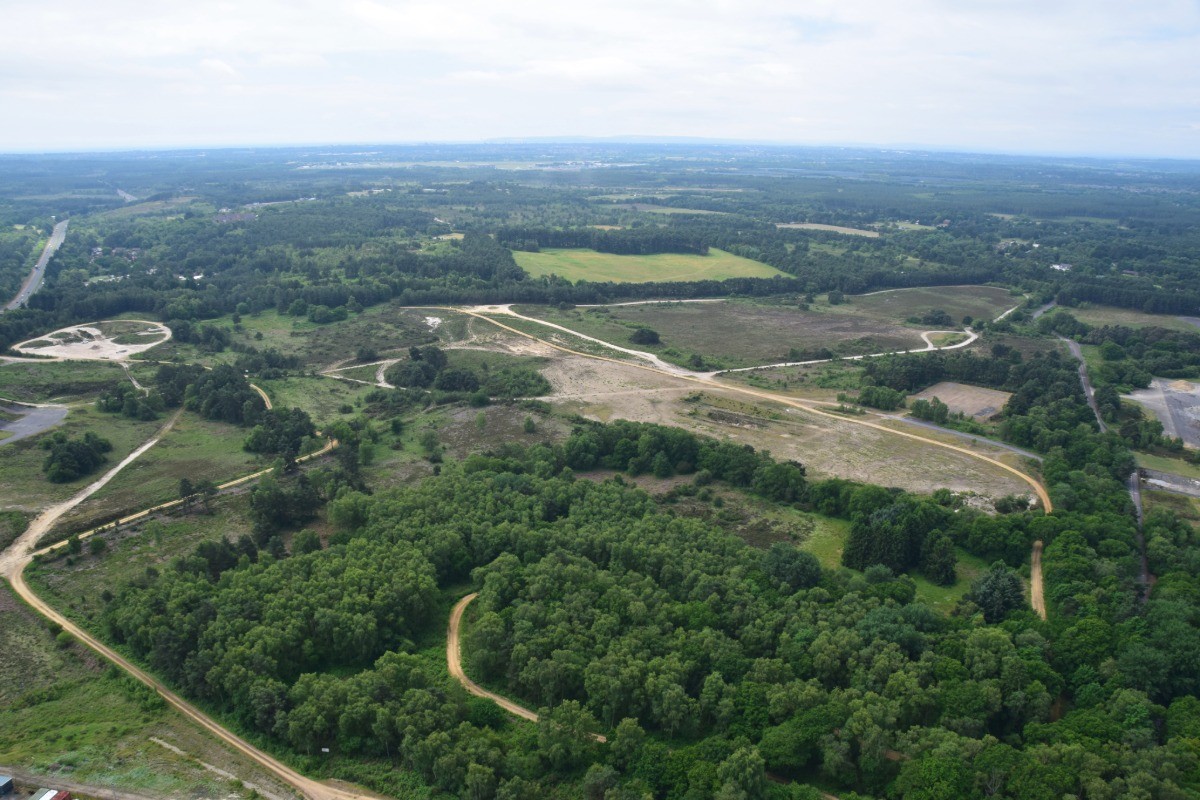
QinetiQ and AVL have agreed to create a digital twin of the Hurn Proving Ground in Hampshire, allowing defence and commercial vehicles to be tested virtually before entering physical trials, according to QinetiQ.
The partnership will combine AVL’s vehicle modelling and simulation technology with QinetiQ’s 632-acre test and evaluation site near Ringwood, with the aim of reducing development costs and speeding up the process of bringing new vehicles into service.
Under the memorandum of understanding, AVL will develop a digital representation of Hurn and provide modelling tools that allow vehicles to be assessed during design or down-selection before prototypes are fully built. QinetiQ said the approach would allow engineers to identify problems earlier, compare design options more quickly and reduce the amount of physical testing required before vehicles reach the proving ground.
Once digital testing is complete, vehicles can then be put through live trials across Hurn’s terrain, test tracks and specialist facilities, including what QinetiQ describes as the UK’s largest tilt platform.
Will Blamey, Chief Executive of QinetiQ’s UK Defence sector, said: “This new virtual offering will enable our customers to develop and test new capabilities more quickly, before being put through their final paces at our specialised test facility.”
He added: “The combined evidence from digital and live environments will bring greater insight and value for money, enabling issues to be identified earlier and better-informed decisions to be taken.”
The companies also intend to use the same digital engineering approach during the operational life of vehicles, supporting lifecycle management as platforms are upgraded, modified or maintained.
Tom Stone, Managing Director of AVL Powertrain UK, said: “We are incredibly proud to have formed a strategic partnership with QinetiQ and we are excited to see how our combined digital engineering approach can advance the development of future defence vehicles through faster design maturity, lifecycle optimisation and reduced physical testing costs.”
Hurn Proving Ground was originally constructed in the 1950s and has since been developed for a range of vehicle test and evaluation work. The site can support multiple vehicles at once and includes terrain intended to reproduce conditions ranging from battlefield environments to emergency and rescue operations.
QinetiQ said the agreement forms part of a broader effort to change how customers access UK test and evaluation infrastructure, combining virtual modelling with physical trials rather than treating them as separate stages of development.
The digital twin of Hurn is intended to let engineers run repeated simulations against the same terrain and test conditions before committing vehicles to live trials, with physical testing then used to validate and refine the digital results.






What software gets used for these digital twins? They aren’t just training the Engineers on a Roadcraft custom map, are they? It would be a LOT cheaper…
Hurn was used mainly for testing plant equipment whilst A and B vehicles were tested at Longcross, Bagshot and Long Valley Aldershot until MVEE/RARDE was closed down.
👍