

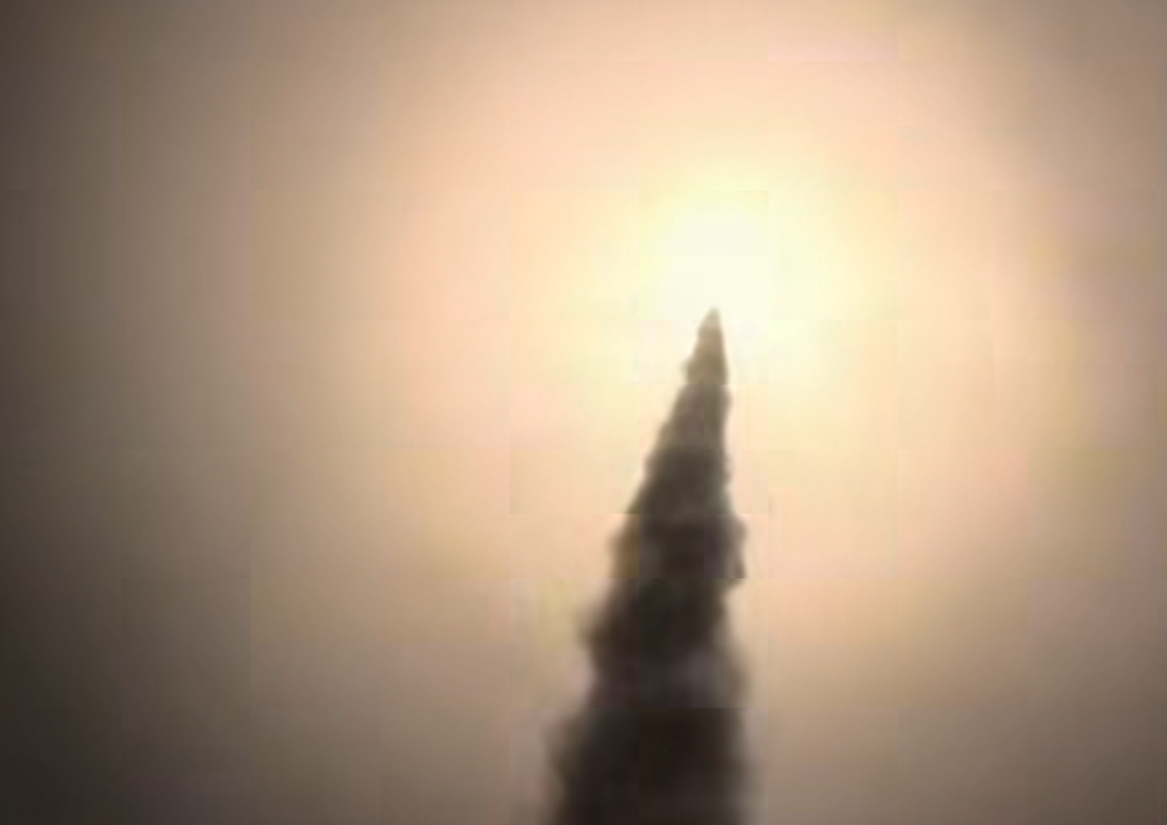
Russian long-range air defence interceptor stocks have been depleted to the point where Moscow is having to make serious decisions about where it deploys them, a Western official has told the UK Defence Journal.
We asked whether the assessment is that Russian air defence stocks are genuinely running down to a point that would leave Russian cities and infrastructure more vulnerable than they have been, or whether the decline reported by Ukrainian intelligence in S-300 and S-400 interceptor reserves is being offset by external supplies.
“No, absolutely, 100 per cent. They’ve been depleted,” the official said.
The explanation offered was that the stockpiles were never intended for this. Those reserves existed “for defence of Russia in a campaign from NATO, not some sort of regional conflict with Ukraine”, the official said, with the consequence that “absolutely those numbers are dwindling, and Russia is having to make some really serious prioritisation decisions about where they employ those air defence assets.”
The depletion was explained by reference to a series of Ukrainian operations that Russian planning had not anticipated. Reflecting on how much has changed, the official said an intelligence officer five years ago would not have thought the present situation realistic, and that the same applies looking at it from the Russian side. Ukrainian drone strikes reaching the vicinity of the St Petersburg International Economic Forum, and Russian oil refining capacity down by 40 per cent at its peak, were described as completely unforeseeable by Moscow.
One measure of how acute the problem became was legislative as Russia introduced a law to mobilise reservists specifically for the air defence of oil refineries, the official said, a step taken late last year in response to the success Ukraine was having against those targets.
On whether a point of exhaustion can be identified, the official was careful, telling me “I don’t think we’ll be in a position yet to say what that pivot point is,” they said, declining to predict a date by which reserves might run out while maintaining that Russia faces very difficult choices.
Officials described Russian use of North Korean KN-23 ballistic missiles as significant in itself. “The fact that Russia is having to use North Korean missiles is quite significant. It says a lot about Russia’s ability to resource its own conflict,” one official said, declining to give numbers.





Erm nope, not at all. More desperate copium.
Russia doesn’t use what it doesn’t need to.
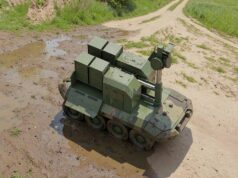
Russia is shooting down NATO drones and missiles with lower grade weapons because that’s all they need to. Pantsir and tor are doing 97% of the work.
S400 and s300 stocks are around 12,000 units. Enough to use in ground attack mode to take out M1 tanks if they feel the need.
Unless we stop lying to ourselves this will end very very badly for us.
Hi Dave, no, the source of this information is reliable.
Really? Sources started saying that Russia would run out of munitions by the end of 2022, then the experts said that it would be the end of 2023, and so on, so on.
No western source has made accurate predictions on how this conflict has progressed.
From looking at the news and the missiles and attack drones the Ukrainians are using, especially at low level, long range SAM is not the system to focus on.
Indeed, we have literally heard the same claptrap around “russia has no a tanks left, russia has no missiles left, russia …..ect” it is bs of the highest order. And whats more bloody unhelpful.
We need accurate, and consistent, information so we can make the proper defence investment decisions needed to bring up to proper capability. This, propaganda (for that is what it is) nonesense actually makes us weaker
Russia DID actually run out of artillery shells….
The amount they now fire is a fraction of what they did early on in the war….
They managed to increase production eventually, but will never agin in this war be able to fire the daily amounts they were previously able to….
And its a matter of record, both in intelligence and Russian accounts, that it was only the transfer of colossal quantities of artillery shells from North Korea in late 2023 that allowed them to bridge the gap….those transfers continued through 24 and 25 in bulk.
You seem to have upset the kremlinites, keep up the good work George. 👍
Well the statement about S300/400 taking out tanks just about sums up your knowledge of how if you use AA missiles in ground attack!they will only be area weapons as the CEP will be dreadful🙄
“NATO drones and missiles”Do you count Firepoint drones and soon to be ballistic FP7/9 in your assessment of where the kit is coming from?
Sure Dave, sure. Are those 12,000 S300 and S400 missiles in the room with you right now? Knock twice if they are.
AI overview says ‘Precise totals are classified, but Wes O’Donnell notes that Ukrainian intelligence estimates put Russia’s combined S-300PM and S-400 high-end interceptor inventory at around 400 missiles.’ Simple question – based on pre war budget and the use of missiles since, together with any problems in ramping up production to offset massive useage… how many COULD Russia realistically have? One problem is that a lot of people overestimate Russia’s production capacity – yet in areas such as the Navy and Air Force they seem to be struggling with repais, maintainance and replacements. There really are restrictions on how much can produce – if they could keep up they would need North Korean help.
Ukrainian Intelligence
And there you have it …. Ha ha ha ha ha
And… you believe Russian intelligence??? I go with what is likely. Looking at how difficult it is for the west to increase production of munitions, considering the difficulty Russia has in increasing, for example, tank numbers, being forced to go through old stocks, considering the increasing dependency on North Korean missiles, etc, considering sanctions making components difficult to access and sheer ability of the Russian economy to buy such components, add to that the rate Russia is using up munitions … The only way Russia wouldn’t be struggling today would be by an extensive use of magic. And if you restrict the use of reserves it’s easy to push back the time when you run out.
Current situation seems to be Russia has stopped production of S-300 apart from upgrading or refurbishing old missiles. These older models are mainly for ground attack roles. Yes, there are a lot of them, but how many will ever be fit for use? As for S-400, CURRENTLY producing 40-50 a month with the intention of doubling this. Shortage of, for example, microchips will limit this. Incidentally, that ‘400 missiles left’ quote is for high end missiles, not that mass of older and more limited S300 systems!
@Dave c
What is the source of your information? This looks like typical Russian “desinformatzia” put out as anti-ukraine propaganda
Unless you provide sources I would prefer GA as a source of accurate information. This is bullshit
The “sources!” scream of defeat
Just asking but how are these ‘air defences’ actually coping with the ongoing attacks on oil refineries,ships,ports,energy nodes,factories making orc munitions let alone wild berries and ozon? What’s the longest one to date 3000kms isn’t it? Still it’s just debris causing the damage eh?
Like using washing machine parts in missiles
Say it enough am hopefully people believe it
The washing machine and consumer goods issue is fascinating. The Russians have been massively importing “consumer goods” from China at a 5000% increase than before the Ukraine war. These consumer goods are coming into Russia literally overflowing with spare circuit boards, microprocessor and RAM. They arrive. Go to a certain Russian equivalent company to Amazon. Yes that same company whose warehouses and distribution centres have been attacked and are then stripped of parts and components transfered to munitions factories.
We all know this is happening. China is simply lying when they say they are not directly helping Russias war effort.
Yes unfortunately there’s not much we can do about china or anyone else helping Russia with the aid flowing to Ukraine
Mr Bell
What would your opinion be on stopping aid to Ukraine
A controversial subject I know but without support Ukraine would be in a much more difficult position than now?
Especially in light of Russian threats to the UK and European countries ?
Also I don’t know if you’re aware of present Trump telling Ukraine to stop attacking Russian diesel as it’s driving prices up while at the same time causing the chaos in the middle East do you think anyone will have the courage to pull him up on this publicly?