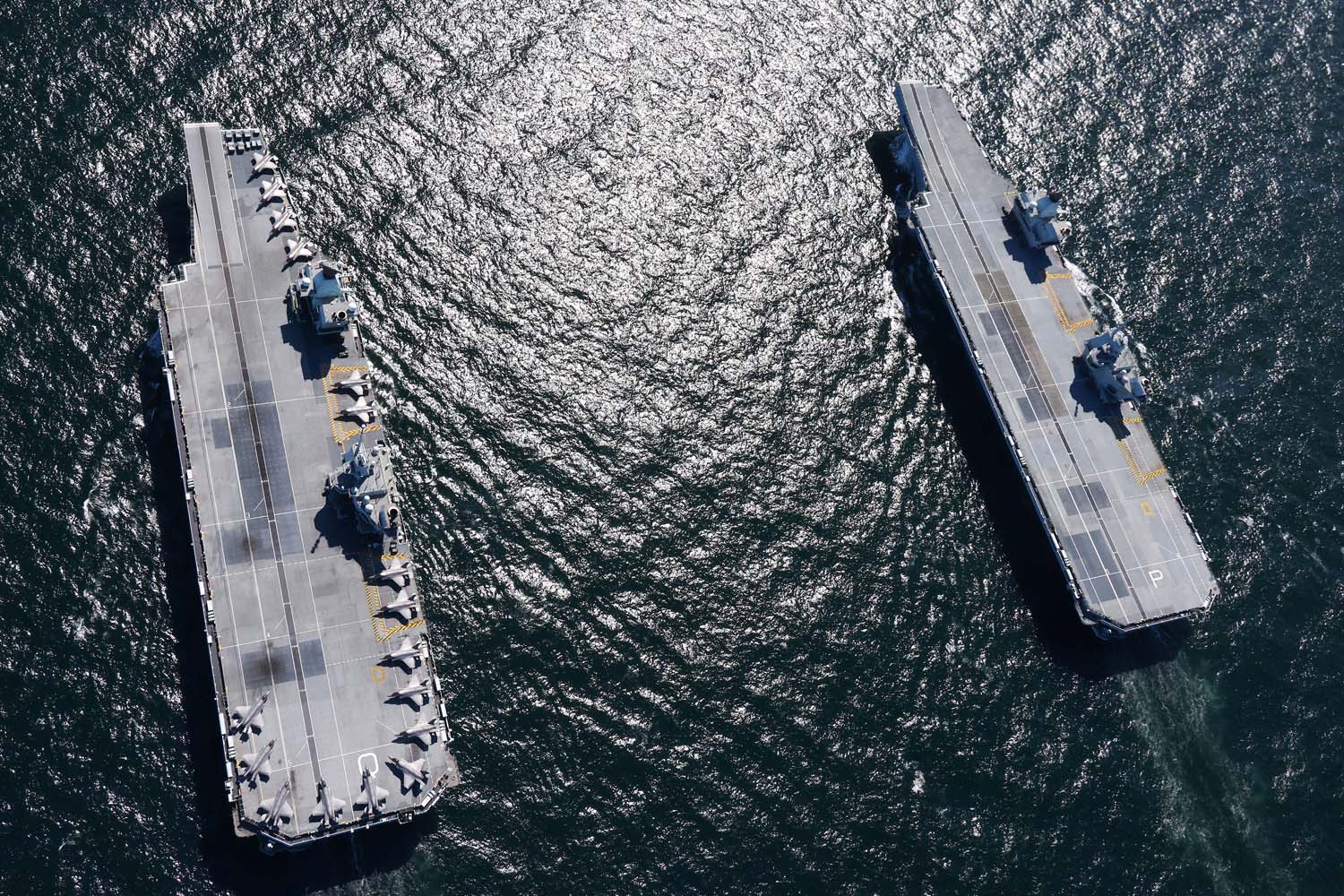
Donald Trump calling British aircraft carriers “toys” is not especially surprising in itself, he has said similar things about allies before and usually ties it back to defence spending or what he sees as weakness that week.
What is more interesting this time is who is on the receiving end of it, and what it might say about how he looks at Keir Starmer rather than just the Royal Navy.
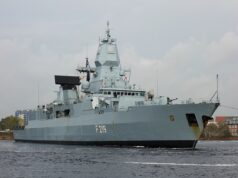
A lot of the reaction has gone straight to whether the claim holds up, which it does not in any serious technical sense. The Queen Elizabeth-class carriers were never designed to match US supercarriers, they operate differently, they were built around different assumptions, and that has been understood for years. But even getting into that feels slightly off track, because the remark was not really about ships in the first place.
Trump tends to blur capability and political standing together, or at least treat one as evidence of the other. If a country’s military looks smaller or more constrained, he often reads that as a sign that the leadership behind it carries less weight, or is less willing to act. Calling the carriers “toys” fits neatly into that habit, it is dismissive on the surface but it also places Britain somewhere lower down the order without having to say it directly.
That is where Starmer comes into it, and it is hard to separate the two. Trump’s tone towards other leaders is rarely random, he tends to make an early call on people and then stick with it unless something forces a rethink. Leaders he sees as assertive, or aligned with him in some way, get handled one way, others tend not to. This feels closer to the latter, even if it is only an early impression.
A lot of this seems to come back to Iran, and the way that played out. Starmer did not back the initial US and Israeli strikes, and there was a pause before British bases were made available in any meaningful way, with the government arguing it was not in the UK’s interest and pushing for a diplomatic route instead. That hesitation did not go down well with Trump. He criticised the UK for moving too slowly and at one point suggested the US had little use for countries that only step in once things are already decided. Seen through that lens, it is easy to understand how he has landed where he has, reading it less as caution and more as a lack of commitment. Even though the UK did later allow defensive use of its bases, by then his view looked fairly set.
For Starmer, the issue is less the comment itself and more what follows from it. Trump has shown before that once he decides how he ranks a leader, that view tends to carry through into everything else, meetings, negotiations, even the tone of public remarks. It does not shift easily, and it can shape how seriously a government is taken.
None of this means the UK-US relationship is about to change in any fundamental way, it is too embedded for that, particularly in defence and intelligence. But tone still filters through into how things actually work day to day, it affects access, priority, and how much effort is made to accommodate British positions when it matters.