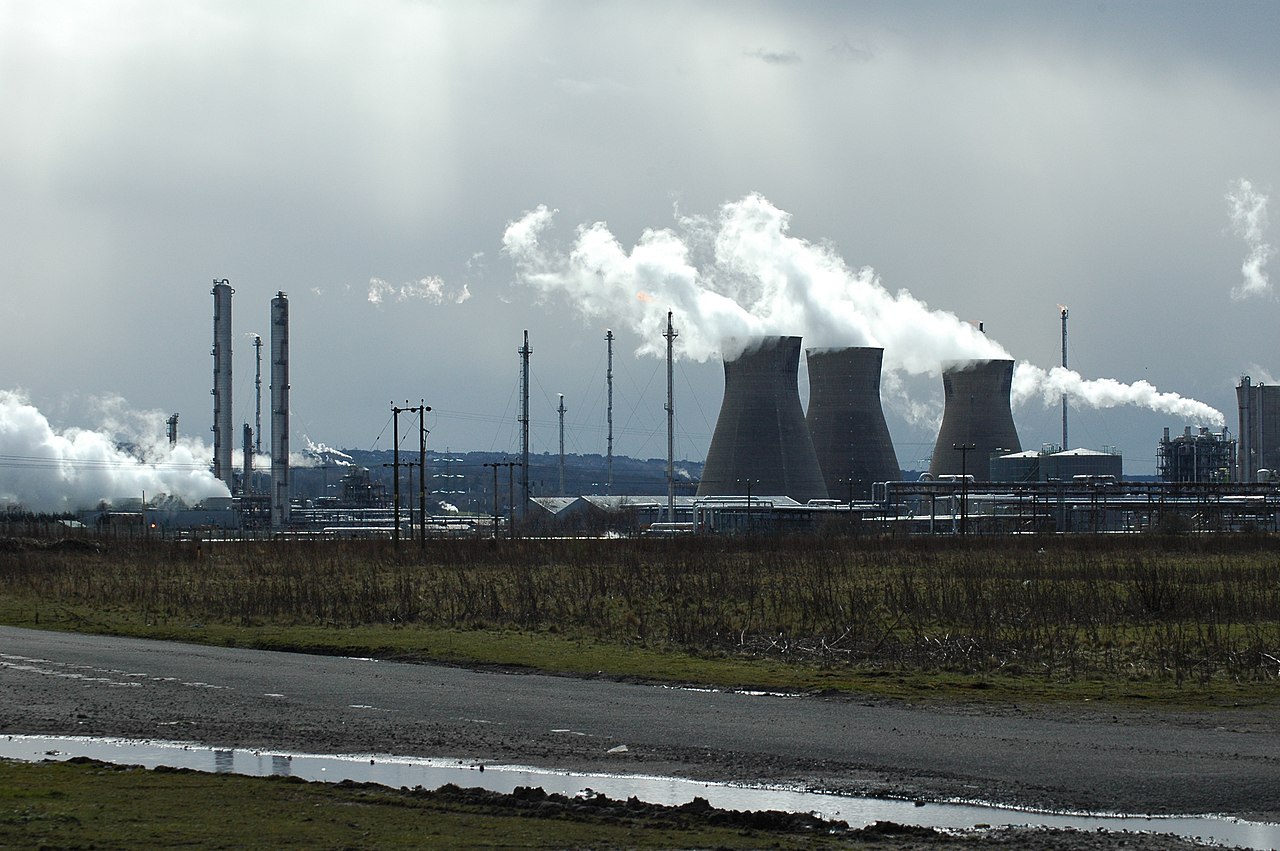
The UK government’s decision to invest more than £120 million to secure the future of Britain’s last ethylene plant at Grangemouth was shaped by the site’s industrial scale, workforce and role in national infrastructure, ministers said during a visit to the INEOS facility.
Speaking to assembled reporters at Grangemouth, Scotland Secretary Douglas Alexander said the agreement reflected a deliberate focus on sustaining major industrial sites in Scotland.
“Grangemouth is the largest industrial site in Scotland. It needed an investment and a recruitment that we’re making today,” Alexander said, thanking the workforce and civil servants involved in reaching the deal. He added that the government’s approach was rooted in recognising “the importance of the industrial sector, the importance of chemicals and the importance of Scotland.”
Alexander linked the investment to wider industrial and defence-related priorities, pointing to recent commitments on shipbuilding and infrastructure. He said backing sectors such as chemicals, energy and defence manufacturing was central to delivering “more good jobs, paying decent wages to Scotland and, crucially, in defence.”
Chancellor Rachel Reeves also addressed reporters at the site, describing the £120 million government contribution as a significant intervention to secure employment and long-term viability.
“This was a significant investment by the UK government today, over £120 million, to secure 500 jobs here and the jobs in the supply chain as well, not just for this year but for many years to come,” Reeves said, adding that the government had stepped in alongside industry because there was a “viable path to profitability.”
Separately, responding directly to a question from the UK Defence Journal on the defence relevance of the Grangemouth ethylene facility and whether national resilience considerations had influenced the decision, Reeves explicitly linked the site to national security and critical infrastructure.
“You’re absolutely right that what happens here at Grangemouth and the ethylene cracker are absolutely essential for our national security and are part of our critical national infrastructure,” she said. Reeves added that this provided “a compelling reason to make this investment,” noting the importance of domestic industrial capacity in areas ranging from water supply and medical equipment to energy and defence-related production.
She also pointed to Scotland’s broader contribution to UK defence and industrial capability, spanning energy production, oil and gas, renewables and defence manufacturing, and said the government intended to continue backing that role through targeted infrastructure investment.
Although ethylene is not used directly in weapons systems, it is a critical feedstock for plastics, polymers and industrial materials that defence equipment depends on across platforms and domains. These materials underpin cable insulation, wiring looms, connectors, seals, hoses, coatings, composites and medical-grade plastics used throughout military platforms, bases and logistics chains. Maintaining domestic ethylene capacity reduces exposure to disruption, price shocks and external dependence across the defence supply chain.