

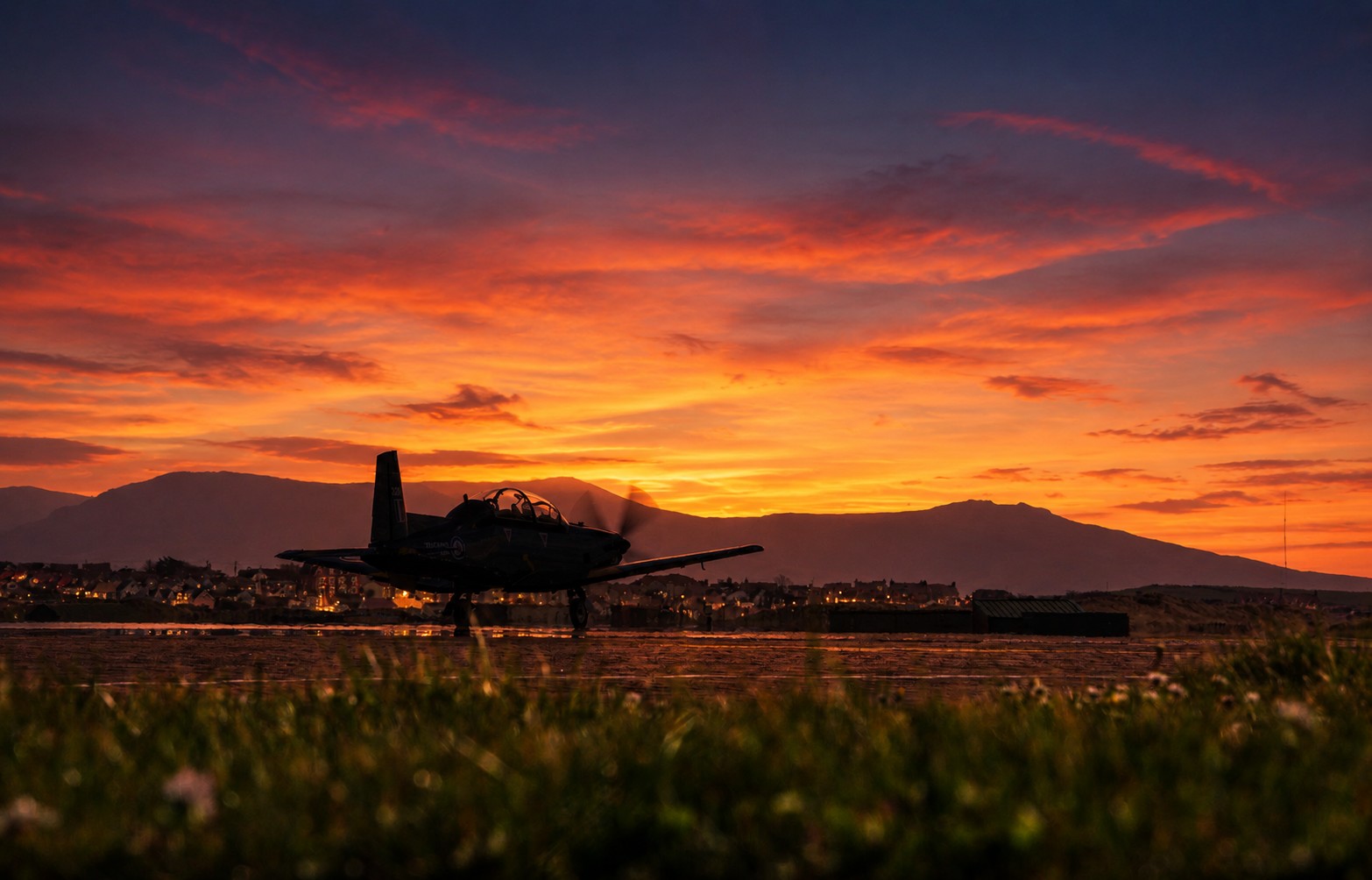
We are operating in a strategic security context that feels more uncertain by the month. The pace of change is relentless, the range of threats is broad, and the demand for credible deterrence and readiness is increasingly apparent.
In that environment, it is entirely right that defence and aerospace discussions gravitate towards the latest technology – platforms, sensors, autonomy, connectivity and the data that binds it all together.
But there is a risk in any period of rapid innovation that ‘lower tech’ activities are seen as somehow secondary. Nothing could be further from the truth. High-tech operational performance is underpinned by the basics. All a bit boring, I know. But, without a great training system, people with outstanding personal and group qualities (that have to be developed) and strong safety, compliance and risk management processes, high-tech effects quickly become underdelivered, or even worse, badly delivered.
An uncertain context demands reliable foundations
When the strategic picture is shifting, armed forces need more than sophisticated kit, they need a training enterprise that delivers dependable output.
That requires resilience: consistent delivery without lowering standards, the ability to adjust at pace to changing frontline demands, and the capacity to absorb disruption and still perform.
High technology still relies on human performance
Modern aircraft and mission systems expand what aircrew can achieve – but they do not remove the need for judgement, or the discipline required to manage vast amounts of information. In many ways, they raise the premium on the basics: sound decision-making under pressure, procedural discipline, strong crew resource management, and the confidence to handle the unexpected without hesitation.
That is why training aircraft and the organisations that keep them flying matter so much. When training is delivered well, it produces pilots who are safe, consistent and ready to progress. When it is delivered poorly, it creates delay, rework and avoidable risk – exactly the things that a modern force, already managing readiness and retention pressures, cannot afford.
Delivering the aircraft that deliver training
One lesson keeps repeating in defence: operational capability is only as strong as the training pipeline that produces it. The fastest way to create fragility is to treat training as secondary to the front line. In reality, it is a strategic lever – stable, predictable aircraft availability, matched with sufficient instructor capacity, protects syllabus flow and student momentum, so the pipeline can absorb disruption without quietly eroding standards or extending timelines.
From that perspective, “delivering the aircraft that deliver training” is less about the airframe and more about the operating model around it – engineering discipline that prevents repeat defects, data-led maintenance that anticipates failure rather than reacts to it, resilient supply chains, and governance that keeps safety and output aligned. Affinity’s role, therefore, is not only to provide aircraft to demand, but to strengthen the wider training enterprise by managing risk transparently, taking responsibility for the right safety decisions, and working with military and civilian customers to evolve the system so it stays efficient, relevant and robust.
Safety, compliance and airworthiness are the fundamentals
In aviation, resilience is built on control, knowing what condition your aircraft are in, what work has been done, and what risks you are consciously accepting. That is why safety, compliance and airworthiness are not ‘support functions’, they are the foundations that allow a training system to move fast without becoming unsafe. Airworthiness is a living system of accountabilities and evidence: clear governance, disciplined maintenance practices, configuration control, accurate records, and independent assurance that tests whether the system is behaving as intended.
For the training fleets that Affinity manages, this matters twice over because the mission is progression. Students are building judgement and confidence while instructors manage risk in real time, and engineering teams balance availability with uncompromising standards. A strong safety culture – where issues are surfaced early, investigated properly, and translated into changed processes or behaviour – reduces repeat events, protects capacity, and keeps delivery stable. Safety systems have to work together, and the approach to safety has to be the same across the different organisations in the enterprise.
Well trained and motivated people make it all work
Processes and technology create potential, people convert that potential into dependable performance. In a high-tempo training system, the differentiator is not heroic effort, it is professional habits applied consistently. Engineers who work to standard even under pressure, operations teams who plan and deconflict with discipline, instructors who maintain the line on safety and quality, and leaders who create clarity on priorities when pace and resource collide.
This has to translate into deliberate investment in competence (training, authorisations, coaching), and into a culture where reporting, challenge and learning are normal. The aim is not simply to ‘deliver sorties’, it is to deliver trust in the system, trust that the aircraft are safe, that decisions are made transparently, and that the training pipeline will keep moving forward. Over time, that trust shows up in the outcomes: fewer preventable cancellations, less rework, steadier student progress and instructors able to focus on teaching rather than firefighting.
One step closer to the front line
In the end, training is part of force-generation, and its most meaningful measure is progression to standard. Every student who completes a phase on time, safely, confidently and without avoidable rework, moves one step closer to the front line. That is not an abstract training metric, it is the practical creation of future combat power, built through consistent instruction, disciplined standards, and aircraft that are ready when needed.
In a period of strategic uncertainty, it is right to push hard on implementing cutting-edge technology. But high-tech effects only deliver consistently when the fundamentals are equally strong – a resilient training enterprise, disciplined airworthiness and safety governance, and people developed to perform under complexity. For a world-class training enterprise focusing on training aircrew to be prepared and confident to meet the demands of modern operational service, success begins with the fundamentals that underpin confidence, preparedness and performance.
This article is the opinion of the author and not necessarily that of the UK Defence Journal. If you would like to submit your own article on this topic or any other, please see our submission guidelines







Off all of the ticking time bombs we have in the military the RAF trainer is the biggest. Even for the MOD, HMT and HMG it’s insanity that we are this close to having to withdraw the Hawks from service and we haven’t even really thought of a replacement much less signed anything.