

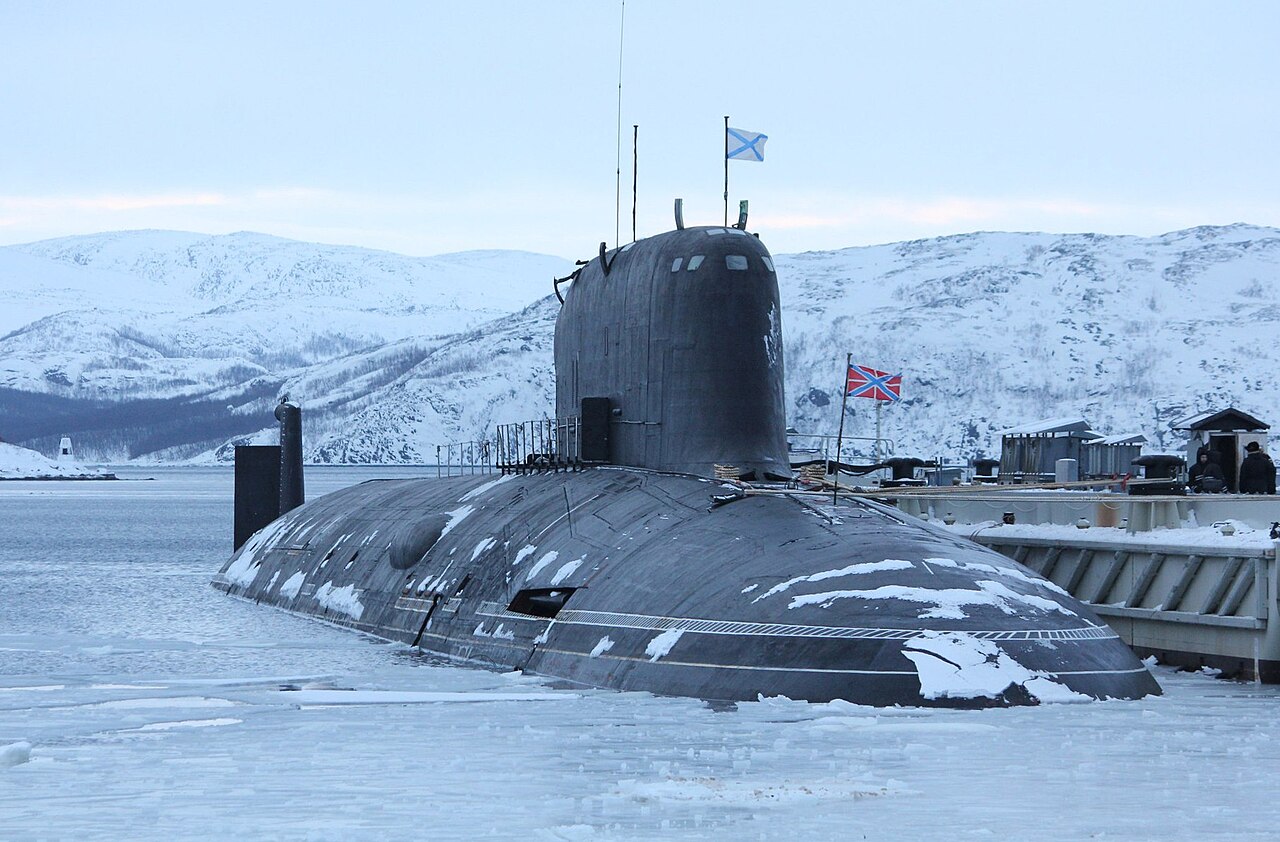
NATO says it is closely monitoring the expansion and modernisation of Russia’s submarine force in the High North, including new-generation nuclear-powered cruise missile submarines operating from the Kola Peninsula, according to Allied Joint Force Command Brunssum.
In a statement published on X, the NATO command drew attention to developments around Russia’s Northern Fleet and said the Alliance was treating the growth of its undersea forces seriously.
Allied Joint Force Command Brunssum stated: “Something is moving beneath the surface. Russia is expanding and modernising its submarine force, with the Kola Peninsula remaining a key hub for the Northern Fleet.”
The Kola Peninsula in north-west Russia contains several of the Northern Fleet’s principal naval bases and provides access to the Barents Sea and wider North Atlantic. The area is central to Russian submarine operations in northern waters and hosts both nuclear-powered attack submarines and strategic ballistic missile submarines.
NATO specifically referred to the development of newer nuclear-powered guided missile submarines, saying: “Among them: new-generation nuclear-powered SSGNs, bringing serious long-range strike and sea-denial capabilities into the High North.”
Something is moving beneath the surface. 🌊
Russia 🇷🇺 is expanding and modernising its submarine force, with the Kola Peninsula remaining a key hub for the Northern Fleet.
Among them: new-generation nuclear-powered SSGNs, bringing serious long-range strike and sea-denial… pic.twitter.com/UneKonlDon— NATO Allied Joint Force Command Brunssum – JFCBS (@NATOJFCBS) September 2, 2026
SSGN is the designation commonly used for nuclear-powered submarines equipped primarily for cruise missile operations. Russian boats in this category can be employed against surface ships and land targets, depending on their weapons fit and tasking, while retaining the endurance associated with nuclear propulsion.
The command stated: “They may be invisible beneath the waves. But not for us. We see them, we watch the developments closely and yes, we take these developments seriously.”
The Northern Fleet is responsible for Russian naval activity across the Arctic and High North and operates from bases concentrated around the Kola Peninsula. Its submarines can reach the Norwegian Sea and North Atlantic through waters bordering NATO members Norway and Iceland and areas routinely monitored by allied maritime patrol aircraft, surface vessels and submarines.
Undersea activity in the High North has remained an important part of NATO maritime planning because the region connects Russia’s northern bases with the wider Atlantic. Allied forces regularly conduct anti-submarine warfare training in northern European waters, while maritime patrol aircraft and naval units contribute to surveillance and tracking activity.
Joint Force Command Brunssum is one of NATO’s operational-level joint headquarters and is responsible for planning and conducting activities across part of the Alliance’s northern and eastern area.


They were just saying how difficult it is to track their boats.
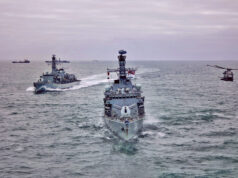
It’s a good thing we have plenty of SSN’s and Type 23’s to counter the threat…………..
Plenty of T23 up Farham Creek….
Hms Artful has been crewed for months, why has she not been put out to sea, by now?