

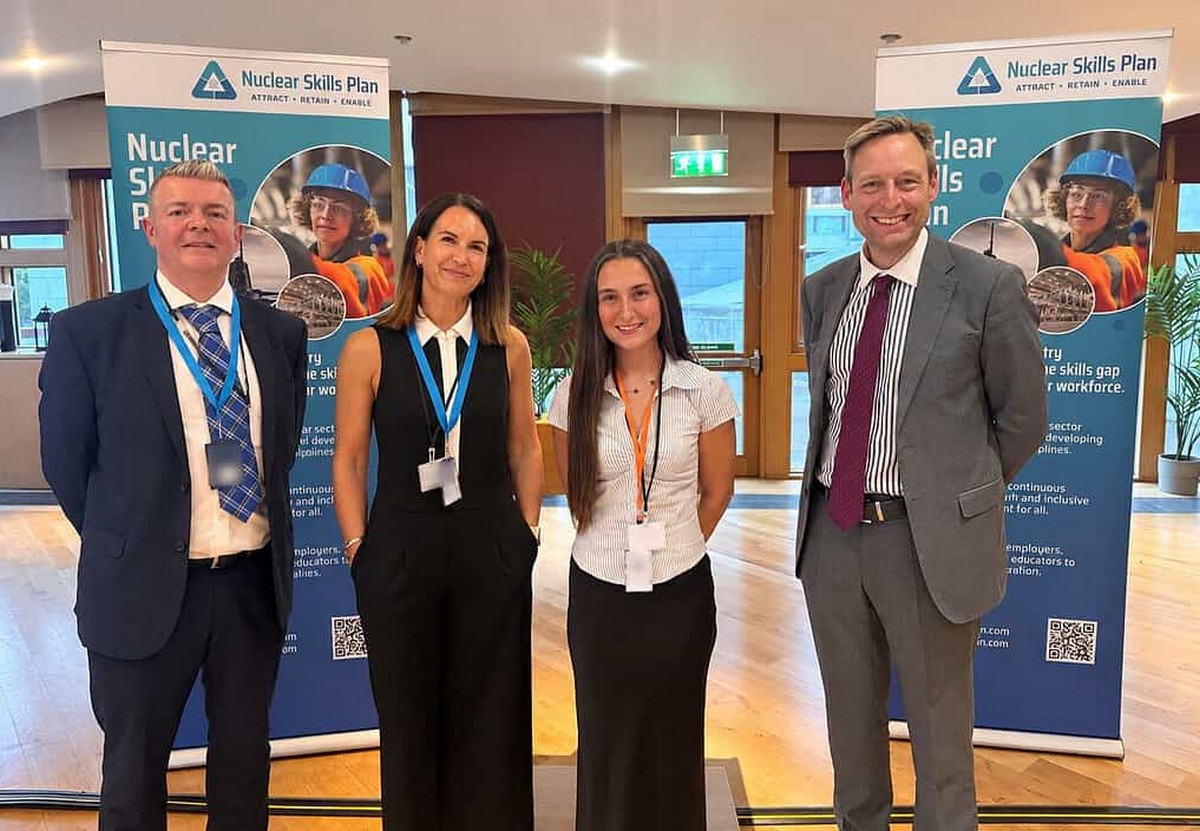
Babcock and Nuclear Restoration Services have co-chaired a showcase at the Scottish Parliament for the Scotland Nuclear Skills Hub, an initiative intended to build the workforce needed for defence and civil nuclear programmes and to keep those skills in Scotland, the company stated.
The hub brings together industry, academia, skills organisations and government in support of the United Kingdom’s ten-year Nuclear Skills Plan. According to Babcock, the nuclear sector in Scotland supports around 7,000 direct jobs across the Central Belt, the Highlands and the Islands.
The event drew MSPs, industry leaders, colleges, universities, STEM organisations and skills partners, and was sponsored by Liam Kerr, the Scottish Conservative Shadow Cabinet Secretary for Energy.
Mr Kerr said: “The opportunity for Scotland is enormous. The growth of the UK’s nuclear sector can create high-skilled, high-paid careers for people across Scotland, while developing expertise that is transferable and valuable across energy, engineering, defence and the wider economy.
“Our challenge is not just to develop that talent, but to create opportunities for people to build their careers and use their skills here in Scotland. The Scotland Nuclear Skills Hub shows what can be achieved when industry, education and government work together to make that happen.”
Debbie Joce, co-chair of the hub and Skills Director at Babcock, said: “Scotland’s nuclear sector is already making a significant contribution to the economy and supporting communities across the country. The challenge now is ensuring we have the skilled workforce needed to sustain that success and seize future opportunities.
“The Scotland Nuclear Skills Hub brings together industry, academia, skills organisations and government to take a coordinated approach to developing the talent Scotland will need in the years ahead. Through collaboration, we can create opportunities for people across Scotland while helping secure the skills needed to support the sector’s future growth.”
Mark Rouse, Director of the Nuclear Skills Plan, said: “Collaboration is at the heart of the Nuclear Skills Plan, and the Scotland Nuclear Skills Hub is playing a vital role in ensuring Scotland has the skills needed for the future. By aligning education, training and industry needs, the hub is creating opportunities for people across Scotland, supporting local economic growth and building the workforce required for the UK’s nuclear programme in the years ahead.”
The scale of the demand was set out in the Defence Nuclear Enterprise annual update to Parliament published this week, which recorded the combined civil and defence nuclear workforce growing from 83,000 in 2023 to more than 100,000 in 2025, with the defence nuclear workforce of over 47,000 expected to reach around 65,000 by 2030. Organisations signed up to the skills plan recruited more than 2,000 graduates and 4,000 apprentices in its first two years.
Much of that defence work sits in Scotland, where HM Naval Base Clyde employs around 6,000 people across Faslane and Coulport and is home to the Submarine Service, while Rosyth holds seven decommissioned submarines and is being prepared to defuel retired boats as part of the recycling programme.
The Scottish Affairs Committee warned in a report published this week that training provision in Scotland is not keeping pace with future workforce needs across the defence sector, and that major programmes will struggle to find enough skilled workers at current levels.
The civil side carries a political dimension in Scotland, where the Scottish Government opposes the construction of new nuclear power stations, while decommissioning at sites including Dounreay continues to require specialist nuclear skills for decades to come.









Funny how the SNP opposes the Nuclear and Defence industries but cries like a stuck pig if they don’t get the jobs and investment that comes with them.